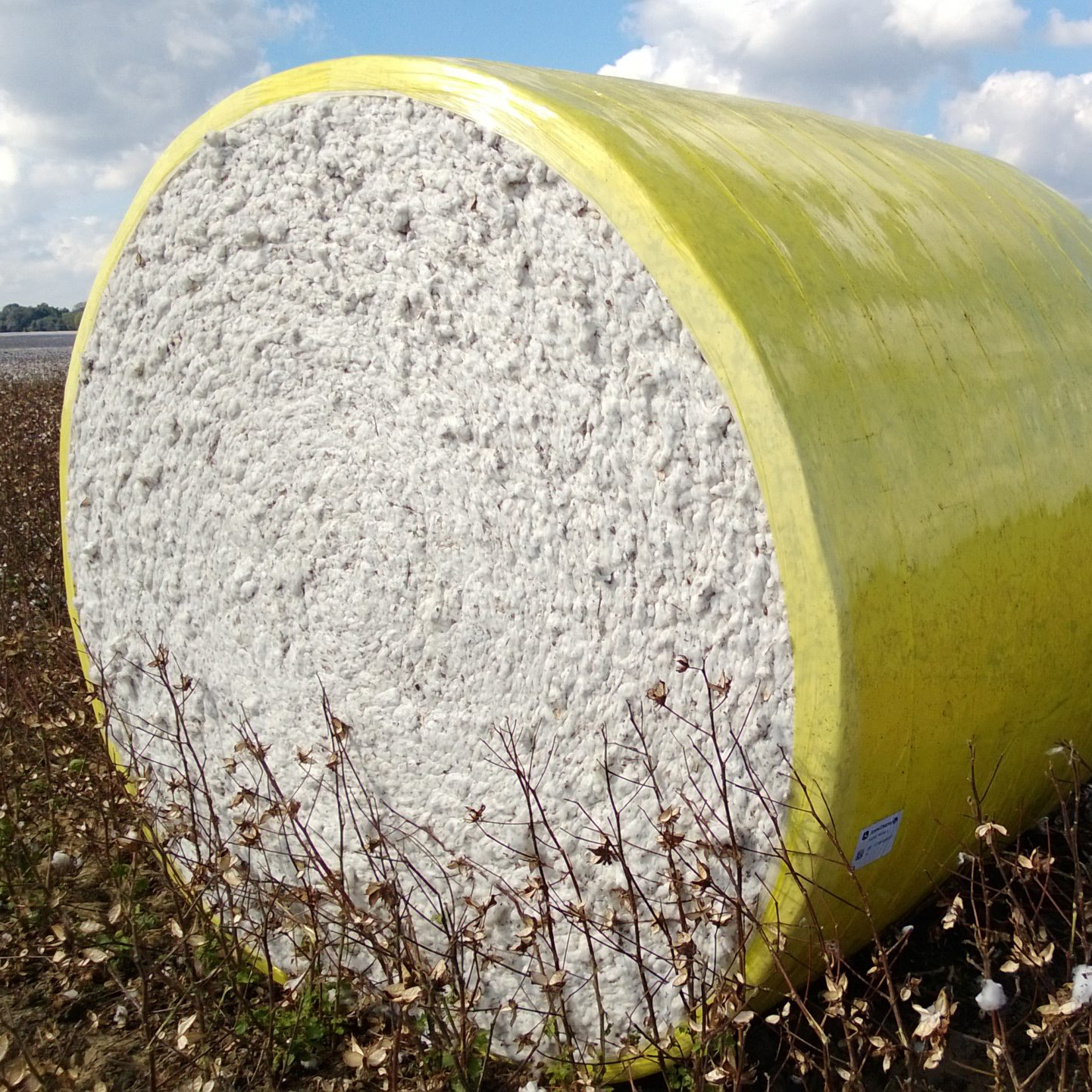
Round module degradation during extended outdoor field storage presents a severe financial risk to modern harvesting operations. When left exposed to harsh environmental conditions, standard agricultural plastics fail. A single compromised wrap leads to catastrophic yield loss, moisture ingress, and severely downgraded lint quality before the module ever reaches the gin. Standard polyethylene films degrade rapidly under continuous sunlight, high temperatures, and humidity. This breakdown causes structural failure, allowing contamination to ruin the harvested crop.
Protecting your harvest requires purpose-built materials. This technical evaluation guide details how to source reliable UV resistant cotton wrap film for your operation. We detail how to vet suppliers, verify technical specifications, benchmark against top brands, and ensure equipment compatibility. By understanding the mechanical and chemical requirements of agricultural plastics, you safeguard your yield and maintain intrinsic cotton properties throughout the storage lifecycle.
Key Takeaways
UV and Thermal Stabilization is Non-Negotiable: Viable agricultural wrap must feature verified UV and thermal additives that guarantee a minimum of 6 months of structural integrity in harsh, open-field conditions.
Mechanical Specifications Matter: High-yield harvesting requires specific film structures—typically 75-micron thickness and 2.7m width—to withstand the mechanical stress of modern round module builders.
Supplier Vetting Requires Evidence: Choosing a cotton bale wrap manufacturer should depend on their ability to provide Technical Data Sheets (TDS), verifiable UV testing results, and consistent OEM-level quality control.
The Core Problem: Why Standard Films Fail in Outdoor Field Storage
UV Degradation and Polymer Breakdown
Ultraviolet radiation acts as a destructive force on standard plastics. When exposed to direct sunlight, UV photons carry enough energy to break the covalent bonds within polymer chains. This chemical reality, known as photo-oxidation, fundamentally alters the molecular structure of polyethylene. As the polymer chains sever, the plastic loses its elasticity and tensile strength. You will first notice this degradation as surface chalking or discoloration on the module. Shortly after, the material suffers from severe embrittlement. Once the film becomes brittle, it begins flaking and splitting under the natural expansion and contraction of the compressed cotton. Standard pallet wraps or untreated agricultural films simply lack the chemical defenses to survive continuous solar bombardment in open fields.
Thermal Degradation and Humidity Factors
Sunlight is not the only environmental threat facing harvested crops. Extreme high temperatures and ambient humidity act as powerful catalysts that accelerate polymer breakdown. Thermal degradation occurs when sustained heat increases the kinetic energy within the plastic, making the polymer chains highly susceptible to oxidative attack. In regions with intense summer heat, the surface temperature of a wrapped module significantly exceeds ambient air temperatures. When high humidity enters the equation, moisture interacts with the degrading plastic surface, accelerating the leaching of basic additives. Non-stabilized polyethylene films cannot withstand this combined thermal and moisture stress. They suffer rapid structural collapse long before the scheduled ginning date.
Moisture Exposure and Contamination Risks
When the protective wrap degrades, a cascading failure begins across the module. Micro-tears and splits allow direct water penetration into the tightly packed cotton. Cotton is highly hydrophilic and absorbs moisture rapidly. Once water breaches the outer layer, it creates an ideal environment for microbial growth, leading directly to cotton rot and internal heating. Furthermore, as the embrittled plastic disintegrates, sharp plastic fragments embed themselves deep into the lint. This contamination severely degrades the bale's market grade. Ginning facilities struggle to remove these microscopic plastic shards during the lint cleaning process, often resulting in heavy financial penalties for the grower. A failed wrap transforms a high-value asset into heavily discounted, contaminated inventory.
Preserving Intrinsic Cotton Properties
Successful field storage demands strict baseline requirements to maintain crop value. The primary objective is achieving zero moisture ingress from the day of harvest until ginning. The wrap must also maintain high module compression to prevent oxygen flow and internal heat buildup. Finally, the film must remain completely intact during aggressive field handling, loading, and transport. Meeting these requirements prevents the deterioration of intrinsic properties. Protecting lint color grades, preserving staple length, and maintaining optimal micronaire levels directly dictate the final market value of the crop. Purpose-built agricultural films secure these properties by creating an impermeable, stable micro-environment for the harvested cotton.
Technical Evaluation Dimensions for UV Protective Cotton Film for Cotton Pickers
Film Structure and Thickness (The 75-Micron Standard)
Industry standards dictate a specific physical profile for round module wraps. A 75-micron polyethylene structure serves as the benchmark for balancing flexibility with extreme puncture resistance. Thinner films fail to contain the outward radial pressure exerted by tightly packed cotton. They also snap under the tension of automated wrapping arms on the harvester. Conversely, excessively thick films lack the necessary elasticity to conform tightly to the module's surface, leaving air pockets that invite condensation. The 75-micron standard ensures the film stretches adequately during application while maintaining enough structural density to deflect sharp cotton stalks and field debris.
UV Stabilizer Additives and 6-Month Field Guarantees
Achieving a legitimate 6-month field durability rating requires advanced polymer chemistry. Manufacturers integrate specific chemical additives, primarily Hindered Amine Light Stabilizers (HALS), during the extrusion process. HALS function by scavenging free radicals generated during UV exposure, effectively neutralizing the photo-oxidation process before it severs the polymer chains. When evaluating UV protective cotton film for cotton pickers, you must verify the presence and concentration of these stabilizers. A credible manufacturer guarantees their product's structural integrity for half a year, providing ample time for field staging, transport delays, and extended ginning queues.
Climate-Specific Formulations and Thermal Stability
Agricultural environments vary drastically across different latitudes, and film formulations must adapt accordingly. Top manufacturers adjust their UV and thermal stabilizers to endure extreme environmental elements specific to high-heat agricultural regions like Texas, Australia, and Brazil. A film designed for a temperate climate fails prematurely under the intense UV index and thermal load of the Australian outback. Formulations for high-heat zones include enhanced thermal stabilizers that prevent the plastic from softening and stretching excessively during peak afternoon temperatures. This climate-specific engineering ensures the wrap maintains constant compression regardless of regional weather extremes.
High Strength Cotton Bale Wrap Film: Puncture and Tear Resistance
Field handling subjects wrapped modules to severe mechanical abuse. Forklifts, module trucks, and rough terrain threaten the integrity of the plastic barrier. To combat this, manufacturers utilize multi-layer extrusion processes to create high strength cotton bale wrap film. By bonding multiple thin layers of specialized polymers together, the resulting film exhibits superior puncture resistance. More importantly, multi-layer structures resist tear propagation. If a sharp stalk punctures the outer layer when the module drops from the picker, the cross-directional strength of the inner layers prevents that small hole from unzipping into a catastrophic tear during transport.
Equipment Compatibility and Application Realities
Sourcing John Deere Cotton Bale Wrap Film Alternatives
Modern round module harvesters operate with high-speed, automated wrapping mechanisms. Any aftermarket film must function seamlessly within these precise mechanical tolerances. Sourcing reliable John Deere cotton bale wrap film alternatives requires strict attention to technical specifications. The film must feed smoothly through the tension rollers without causing jams, misalignments, or tension faults. When benchmarking aftermarket options against top OEM brands globally, the primary focus remains on the film's coefficient of friction and its ability to trigger the harvester's automated cutting sequence cleanly without stringing or stretching.
Dimensional Accuracy and Tension Control
Automated wrapping systems demand exact dimensional accuracy. The industry standard width of 2.7 meters must be maintained with zero tolerance for edge variance. If a roll is even slightly too wide, it binds in the carriage. If it is too narrow, it leaves the module edges exposed to moisture. Furthermore, consistent roll tension is mandatory. The film must unwind from the core with uniform resistance. Inconsistent tension causes the film to snap mid-wrap, forcing operators to halt the harvest, exit the cab, and manually rethread the machine. This creates a massive drain on operational efficiency during peak harvest windows.
Color Coding for Field Management
Colored films provide significant utility for large-scale field management. Growers utilize yellow, pink, blue, green, and red wraps for tracking harvest dates, delineating field locations, or identifying specific cotton varieties. However, introducing color pigments alters the chemical composition of the plastic. You must verify that the specific colorants used do not compromise the film's UV resistance. Some inferior pigments absorb UV light and accelerate thermal degradation. Premium manufacturers engineer their colored masterbatches to work synergistically with HALS, ensuring that a pink or blue module retains the exact same 6-month durability rating as a standard yellow wrap.
How to Evaluate a Cotton Bale Wrap Manufacturer or Supplier
OEM Capabilities vs. Standard Wholesale Operations
Procurement teams face a choice between working directly with an OEM-capable manufacturer or purchasing through third-party agricultural distributors. Partnering directly with a primary cotton bale wrap manufacturer offers distinct advantages. It allows for custom formulations tailored to specific regional climates and ensures direct accountability for product performance. Conversely, buying standard wholesale cotton bale wrap rolls from a generic distributor often obscures the true origin and chemical specifications of the plastic. Direct manufacturer relationships streamline technical support and guarantee that you receive freshly extruded film rather than degraded, multi-year warehouse stock.
Quality Assurance and Material Testing Protocols
Supplier vetting requires hard evidence, not marketing claims. You must request specific documentation to verify quality assurance. Demand ISO certifications to confirm standardized manufacturing processes. Request accelerated weathering test results, specifically those adhering to ASTM G154 standards, which simulate months of UV and moisture exposure in a laboratory setting. A reputable cotton wrap film supplier readily provides batch consistency reports and Technical Data Sheets (TDS) proving their film meets the required tensile strength, elongation, and puncture resistance metrics.
Required Quality Assurance Documents:
Technical Data Sheets (TDS) detailing exact micron thickness and multi-layer composition.
ASTM G154 Accelerated Weathering Test results verifying UV stability.
Machine Direction (MD) and Transverse Direction (TD) tensile strength reports.
Elongation at break percentages to confirm wrapping elasticity.
Dart drop impact test results proving puncture resistance against field stubble.
Supply Chain Reliability and Lead Times
Harvest season operates on strict, weather-dependent timelines. Logistical delays carry severe consequences. When evaluating a supplier, you must assess their production capacity and warehousing capabilities. Can they scale production to meet sudden spikes in harvest yields? Do they maintain regional distribution hubs to minimize transit times? Investigate their historical on-time delivery rates. Securing high-quality cotton packaging film rolls means nothing if the shipment arrives two weeks after the bolls open and the harvesters sit idle in the shed.
Value Influencing Factors and Conceptual Trade-Offs
Yield Protection vs. Material Failure
Procurement decisions often hinge on base material specifications, but agricultural films require a broader perspective focused on risk mitigation. You must evaluate the return on investment by comparing the performance of premium UV wraps against the value of a fully protected cotton module. A single round module holds immense financial value. Risking that asset on generic wrap introduces unacceptable operational risk. Premium films act as an insurance policy. They guarantee that the intrinsic value of the lint remains intact from the field to the gin, preventing the catastrophic losses associated with water damage and plastic contamination.
Proprietary Formulations vs. Commodity Plastics
The market offers a stark contrast between patented multi-layer structures and standard, commoditized agricultural stretch wraps. Commodity plastics rely on basic mono-layer extrusion and minimal additive packages. They are designed for short-term pallet securing, not long-term field storage. Proprietary formulations utilize advanced metallocene polyethylene blends to maximize toughness while minimizing thickness. The trade-off is straightforward: investing in engineered agricultural plastics ensures mechanical reliability inside the harvester and chemical durability out in the field. Relying on commodity plastics invites equipment jams, module failures, and degraded crop quality.
Agricultural Film Comparison Matrix
Feature
Commodity Plastics
Engineered Agricultural Films
Extrusion Method
Mono-layer cast extrusion
Multi-layer blown extrusion
UV Stabilization
Basic carbon black or none
Advanced HALS integration
Puncture Resistance
Low (susceptible to stubble)
High (deflects sharp debris)
Tension Control
Inconsistent roll winding
Precision core winding for automated arms
Field Longevity
30 to 60 days maximum
Guaranteed 6 months minimum
Implementation Risks and Mitigation Strategies
Handling and Transporting Cotton Packaging Film Rolls
Improper handling before the film reaches the harvester causes many application failures. These rolls are heavy and highly susceptible to edge damage. If a forklift tine or a rough truck bed nicks the edge of the roll, that tiny defect creates a stress riser. During the high-speed automated wrapping cycle, the tension concentrates at that nick, causing the film to snap instantly. Transport rolls securely strapped on pallets. Train operators to handle individual rolls by the core rather than dragging or dropping them on their edges.
Mitigating Pre-Application Storage Risks
Polymer degradation begins before the film is applied to the cotton if stored incorrectly. Storing unused rolls outdoors or in poorly ventilated sheds exposes them to premature UV and thermal damage. To preserve the chemical stabilizers, store all inventory in climate-controlled, dark environments. Keep the rolls in their original UV-blocking factory packaging until the exact moment they are loaded onto the harvester. Prevent exposure to agrochemicals, fuels, and excessive humidity, all of which interact with the plastic and weaken its structural integrity before field deployment.
Field Staging Best Practices
The physical placement of wrapped modules in the field directly impacts the film's protective capabilities. Avoid staging modules in low-lying areas prone to water pooling; standing water eventually exploits the overlapping seams of the wrap. Align modules tightly end-to-end to protect the flat faces from direct wind and rain exposure. Orient the rows parallel to prevailing winds to minimize the aerodynamic drag that catches loose film edges and tears the wrap away from the cotton.
Field Staging Procedures:
Identify elevated, well-drained ground away from irrigation ditches and natural runoff paths.
Clear the staging area of heavy stalk stubble that could puncture the bottom layer of the wrap.
Align modules end-to-end, leaving zero gap between the flat faces to protect the non-wrapped ends.
Orient the continuous row of modules parallel to the prevailing seasonal winds.
Inspect the outer wrap of each staged module weekly for signs of bird damage or micro-tears.
Conclusion
Initiate RFQs early in the season to secure production allocations before peak harvest demand hits.
Request physical sample rolls from shortlisted suppliers to conduct tension and cutting tests on your specific harvesting equipment.
Demand comprehensive Technical Data Sheets (TDS) and third-party accelerated weathering test results to verify the 6-month durability claims.
Establish firm service-level agreements regarding delivery timelines to prevent logistical bottlenecks when the bolls open.
FAQ
Q: How long does UV resistant cotton wrap film last in the field?
A: The industry standard for premium agricultural wrap is a 6-month field durability guarantee. Actual longevity depends on the geographic UV index, ambient temperature extremes, and proper handling. Films utilizing advanced Hindered Amine Light Stabilizers (HALS) consistently maintain structural integrity for this half-year window in harsh open-field conditions.
Q: What is the standard thickness for high strength cotton bale wrap film?
A: The recognized industry standard is 75 microns. This specific thickness provides the necessary balance between elasticity for automated wrapping and the dense structural integrity required to resist stalk punctures and tear propagation during aggressive field handling and transport.
Q: Can I use aftermarket cotton packaging film rolls on John Deere harvesters?
A: Yes, aftermarket rolls are highly viable provided they meet strict technical specifications. They must feature exact dimensional accuracy, typically 2.7 meters wide, and maintain consistent roll tension comparable to top OEM brands to prevent jamming, binding, or cutting failures in the automated carriage.
Q: Do extreme heat and humidity affect the performance of cotton wrap film?
A: Yes. Extreme high temperatures increase the kinetic energy within the plastic, accelerating oxidative attack and polymer breakdown. High humidity further catalyzes this degradation. Therefore, thermal stabilizers are just as mandatory as UV protection for maintaining film compression in harsh climates.
Q: What causes cotton wrap film to degrade prematurely?
A: Beyond direct sunlight, premature degradation is caused by exposure to agrochemicals, improper pre-harvest storage in hot or bright environments, extreme thermal fluctuations, and physical abrasion from rough handling that creates stress risers in the plastic.
Q: How should wholesale cotton bale wrap rolls be stored before harvest?
A: Store unused rolls indoors in a temperature-controlled, dark environment. Keep them in their original UV-blocking packaging. Ensure they are kept away from direct sunlight, high humidity, agrochemicals, and sharp objects that could damage the roll edges.
Q: What is the difference between standard stretch wrap and UV protective cotton film for cotton pickers?
A: Standard pallet wraps lack UV and thermal stabilizers and possess insufficient tensile strength for agricultural use. Purpose-built cotton films are engineered with multi-layer extrusion and advanced chemical additives specifically designed to protect the intrinsic properties of the lint from harsh environmental factors.