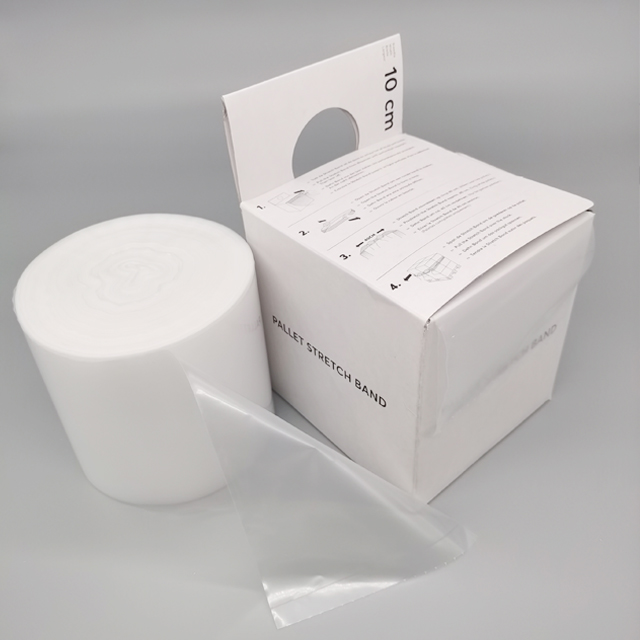
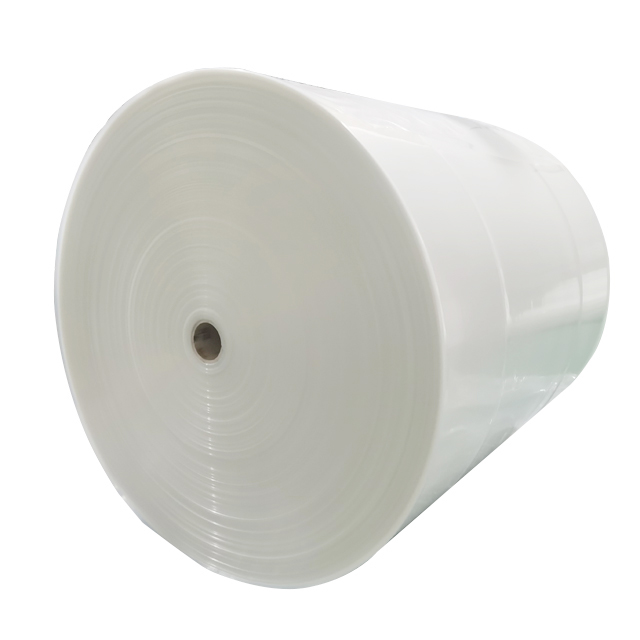
Choosing between shrink wrap and stretch wrap can look straightforward until the load reaches a warehouse, truck, or outdoor storage area. One film may hold stacked cartons firmly in place, while the other creates a fitted cover around exposed or irregular cargo. The key difference is how they work: shrink film contracts with heat, whereas stretch film relies on tension and overlapping layers.
A practical shrink wrap vs stretch wrap comparison should therefore consider load shape, handling, exposure, equipment, and cost. Understanding those factors helps prevent unstable pallets, inadequate protection, and unnecessary packaging expense.
How Shrink Wrap and Stretch Wrap Secure Products Differently
Heat contraction creates a fitted covering
Heat shrink wrap is placed around an item in a loose form, then secured at its seams or openings before controlled heat is applied. As the film contracts, it follows the contours of the cargo and creates a close-fitting outer layer. Industrial shrink film can cover machinery, boats, vehicles, modular units, pallets, and other large or irregular goods, while custom dimensions and fabricated covers can accommodate unusual load shapes.
Standard film may suit general cargo, while reinforced, UV-stabilized, flame-retardant, or VCI versions address more demanding risks. These capabilities should not be assumed from the term “shrink wrap” alone. Performance depends on the material specification, film thickness, seam design, installation quality, and environmental conditions the package will encounter.
Stretch tension holds a load together
Stretch wrap works through elasticity rather than heat. The film is elongated as it is wound around the load, and its recovery force creates containment pressure that helps keep cartons, bags, or containers together. Conventional pallet wraps are therefore suited to warehouse storage, loading, handling, transportation, and distribution, especially when goods are arranged in a stable pallet pattern.
Several overlapping passes are normally required because the holding force comes from tension and layer placement. The film does not shrink after application or automatically seal the top and base of the load. In practical terms, shrink wrap forms a fitted enclosure, while stretch wrap primarily unitizes and stabilizes a load.
Factor
Shrink Wrap
Stretch Wrap
Securing force
Heat-induced contraction
Elastic tension
Application
Cover, secure, then heat
Stretch and layer around the load
Main purpose
Enclosure and surface protection
Pallet containment and stabilization
Typical format
Individual or irregular cargo
Stacked or palletized goods
Heat required
Yes
No
Common equipment
Heat gun, sealer, or shrink tunnel
Hand dispenser or pallet wrapper
Which Wrap Fits the Load You Are Packaging?
Use shrink wrap when the load needs to be enclosed
Choose shrink film when most exposed surfaces need a fitted outer cover, particularly when the item does not follow a neat pallet profile. Large machinery, boats, vehicles, furniture, prefabricated modules, and oversized industrial components are common candidates. Reinforced material may also suit heavy, sharp-edged, irregular, or high-value goods that need greater resistance to punctures and tears.
Enclosure becomes more valuable when cargo will be stored outdoors, transferred repeatedly, or exposed between transportation stages. A correctly specified cover can reduce direct contact with dust, wind, moisture, and sunlight, while cuts or other visible damage are easier to identify. Shrink wrap can cover a pallet, but the key question remains whether the load needs broad environmental coverage or mainly needs to stay together.
Custom sizing can reduce excessive folds, unnecessary seams, and weak points around unusual cargo. Standard and specialized heat shrink wrap configurations should be selected according to the load dimensions, exposure conditions, handling method, and required level of protection.
Use stretch wrap when the pallet itself needs stability
Stretch wrap is generally the more direct choice for uniform or reasonably stable pallet loads whose main risk is movement during forklift handling, storage, or routine distribution. Cartons, bags, trays, and containers can be secured through controlled tension, sufficient overlap, and reinforcement at the pallet base and vulnerable load zones. The method is especially practical where pallets are wrapped frequently and must move through the operation quickly.
Good results depend on more than adding layers. Pallet pattern, center of gravity, carton strength, film tension, and the connection between the load and pallet all influence stability. A poorly stacked load will not become structurally sound simply because more film is applied. Correcting the stack configuration may be more effective than increasing film consumption.
Check whether the product can tolerate the application method
Heat-sensitive surfaces, combustible surroundings, restricted work areas, or facilities without appropriate safety controls may rule out shrink wrapping. Heat application introduces hot surfaces, ignition risks, burns, and possible fumes if the film is overheated. Suitable ventilation, operator procedures, protective equipment, and fire controls should therefore be included in the packaging plan.
Stretch film avoids the heating stage, but excessive tension can crush weak cartons, distort containers, or damage delicate corners. Too little tension may leave the load unstable, while uneven tension can concentrate pressure in one area. The shrink wrap vs stretch wrap decision must therefore consider both the securing force and the product’s ability to tolerate it.
How Storage and Shipping Conditions Change the Better Choice
Match the protection to the actual exposure
Before comparing film prices, map the full journey: indoor or outdoor storage, transportation duration, humidity, rain, sunlight, salt air, temperature changes, and handling frequency. A pallet moving directly between dry warehouses faces a different risk profile from machinery waiting at a port or equipment stored outside for several months. The packaging specification should reflect the hardest stage of the journey rather than the easiest one.
Ordinary stretch film can block dust and incidental moisture, yet overlapping layers and open ends should not be treated as a complete environmental seal. Heat shrink wrap can provide broader coverage, but reliable protection still depends on secured openings, sound seams, suitable accessories, and an undamaged installation. Stretch film is generally faster and less complex to apply, while shrink wrap is often better suited to extended exposure, valuable cargo, and specialized protection requirements.
Specialized shrink films can add features that standard film may not provide. UV-stabilized formulations are intended for prolonged sunlight exposure, reinforced structures improve puncture resistance, and VCI films support corrosion control for metal cargo. Flame-retardant grades may be appropriate in selected environments, but the required performance should be defined before choosing a material.
Compare the failure risks that matter most
The most useful shrink wrap vs stretch wrap comparison focuses on likely packaging failures:
●Load movement: Stretch wrap creates containment force around palletized goods when the load pattern, tension, overlap, and wrapping sequence are appropriate.
●Punctures and sharp edges: Reinforced shrink film can improve resistance, although corner guards, padding, or strapping may still be necessary.
●Long exposure: A fitted shrink cover may suit cargo that remains outdoors or passes through several transportation and storage stages.
●Tampering: Cut shrink film generally cannot be restored to its original fitted condition without new material and another heat application.
●Condensation: Complete enclosure is not always desirable; ventilation, desiccants, or a breathable packaging alternative may be required.
No film is universally stronger in every sense. Stretch wrap may outperform a poorly installed shrink cover on a regular pallet, while correctly specified shrink film may better protect an irregular asset facing weather and long transit. Film strength, thickness, tension, reinforcement, sealing, and application quality must be evaluated together.
Equipment, Speed, and the Real Cost per Load
Shrink wrapping adds a controlled heating stage
The process begins with measurement and film selection, followed by positioning the sheet, bag, or fabricated cover. Seams and openings are secured before heat is applied evenly, and the finished cover is then inspected for holes, incomplete shrinkage, loose areas, or exposed sections. Portable heat guns suit large industrial cargo, while sealers and shrink tunnels are more appropriate for standardized, repeatable packaging formats.
Operator technique affects the final result. Excessive heat can weaken, melt, or puncture the film, while uneven heating may leave loose areas that move or tear during transportation. Corners, seams, folds, and the underside of a load often require particular attention. Work areas must also account for ventilation, hot equipment, nearby combustible materials, and personal protective equipment.
Stretch wrapping is usually faster to start
Stretch wrapping removes the heating stage. The operator or machine anchors the film, reinforces the pallet base, applies overlapping layers with controlled tension, adds support around vulnerable areas, and secures the final film tail. Manual dispensers suit low-volume work, while semi-automatic and automatic systems can improve consistency and throughput.
Inspection still matters. Uneven tension, insufficient base wraps, torn film, poor overlap, or an unstable stack can compromise containment. Manual wrapping also involves repeated bending, pulling, gripping, and walking around the pallet, which may create ergonomic strain during high-volume operations. Mechanized wrapping can reduce physical effort and produce a more repeatable wrapping pattern.
Compare total cost, not roll price alone
Roll price is only one part of the shrink wrap vs stretch wrap calculation. A useful cost model includes film consumed per load, labor time, equipment investment, energy use, maintenance, training, scrap handling, packaging consistency, rework, and product damage. Stretch film often has the lower entry cost and faster application, while shrink wrap may justify additional resources when valuable or exposed cargo would be expensive to repair or replace.
Production volume changes the answer. Manual pallet wrapping may be economical at low throughput, whereas automated wrapping can reduce film variation and labor per load. Shrink tunnels suit standardized products moving through a repeatable line, while oversized machinery and irregular cargo may require skilled manual installation.
Cost should be measured per successfully protected shipment rather than per roll of film. A low-cost material becomes expensive if it causes unstable loads, repeated wrapping, damage claims, shipment delays, or unnecessary waste. Premium protection also offers poor value when a shipment faces only controlled indoor handling and short-distance transport.
When Stretch Hood or Reusable Wrap Makes More Sense
Pallet stretch hood for repeatable, high-volume coverage
A pallet stretch hood is not ordinary stretch wrap. It is a preformed tubular hood that is stretched over a pallet and allowed to recover around the load without external heat. The one-piece format can cover the top and sides during an automated cycle and may be used for cartons, bottled products, bagged materials, appliances, chemicals, and construction goods.
This packaging method uses elastic recovery like stretch film but provides broader pallet coverage through its hood structure. Clear, tinted, printed, and UV-stabilized variants can support product visibility, identification, outdoor storage, or branding requirements. Machine compatibility, pallet dimensions, load height, film thickness, and corner geometry must all be matched to the application.
Reusable pallet wrap for closed-loop movements
A reusable pallet wrap is better suited to routes where the cover can be recovered after delivery. Adjustable straps, buckles, elastic sections, or breathable mesh can secure goods during internal transfers, private-fleet distribution, and warehouse circulation. It can replace repeatedly applied disposable film when pallet sizes are predictable and return logistics are controlled.
Its environmental and financial value depends on actual reuse, cleaning, maintenance, storage, and return rates. Damaged covers need to be repaired or replaced, while lost covers can weaken the expected savings. Reusable packaging is therefore most effective when ownership, collection, inspection, and redistribution are built into the logistics process.
Conclusion
The shrink wrap vs stretch wrap decision comes down to the job the film must perform. Stretch wrap is usually better for stabilizing conventional pallet loads quickly, while heat shrink wrap suits irregular, oversized, or exposed cargo that needs a fitted protective cover. Equipment, handling conditions, storage time, and the cost of possible damage should all influence the final choice.
Suzhou Ecopack Co.,Ltd. supplies heat shrink wrap, pallet wraps, pallet stretch hood, and reusable pallet wrap options for different logistics needs, helping businesses balance protection, load stability, application efficiency, and material use.
FAQ
Q: What does a shrink wrap vs stretch wrap comparison show?
A: Shrink wrap tightens when heat is applied, creating a fitted cover. Stretch wrap is pulled around a load under tension and relies on elasticity, not heat, for containment.
Q: Is stretch film the same as shrink wrap?
A: No. Stretch film does not contract through heat. It is stretched during application, clings to itself, and uses elastic recovery to stabilize products or palletized loads.
Q: Which is stronger, shrink wrap or stretch wrap?
A: Neither is universally stronger. Stretch wrap provides pallet containment, while shrink wrap forms a close-fitting protective cover. Film type, thickness, load shape, and application quality determine performance.
Q: Can shrink wrap be used on pallets?
A: Yes, especially for oversized, irregular, or exposed pallet loads. However, conventional stretch wrap is usually faster and more economical when the primary need is routine pallet stabilization.
Q: What equipment is needed for each wrapping method?
A: Shrink wrapping typically requires a heat gun, sealer, or shrink tunnel. Stretch wrapping can be applied with a hand dispenser or semi-automatic and automatic pallet-wrapping machines.