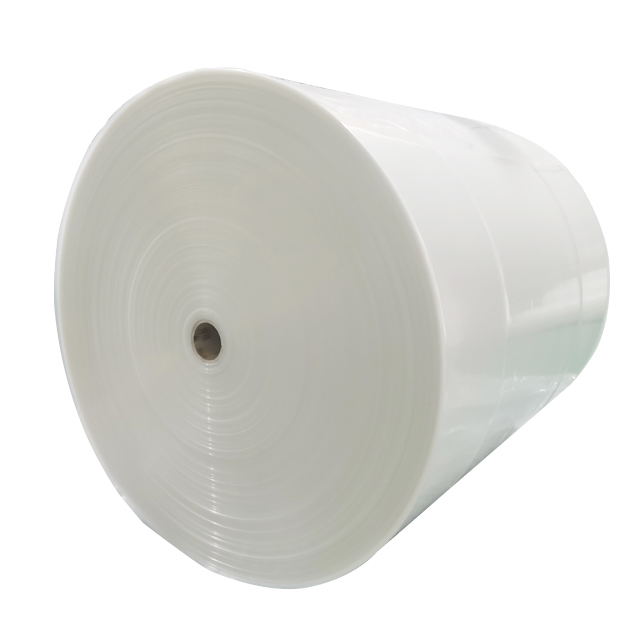
Automotive components often move through several packaging and logistics stages before reaching an assembly plant or distributor. A single pallet may contain boxed metal parts, plastic fittings, electrical assemblies, or protective internal trays. Export packaging must keep the unit load organized while limiting dust and moisture exposure, but the correct material depends on the load's geometry and the packing process. Pallet shrink hoods for automotive parts are one option where a heat-shrink enclosure matches the product, equipment and route.
A five-layer pallet shrink hood is a heat-shrinkable film formed as a hood around a palletized load. It is different from cold-stretch pallet hood film, which uses mechanical stretching and recovery without the same thermal application. This guide concentrates on the specifications automotive suppliers should prepare for export shipments, including pallet dimensions, primary packaging, heat exposure, and repeat-order documentation.
Keep the two processes distinct
A pallet shrink hood requires an approved heat-shrinking method. A stretch hood is mechanically stretched and recovers around the pallet. Their dimensions, equipment and application limits must not be interchanged.
Identify the Automotive Parts Packaging System
An exported automotive pallet usually contains several packaging layers. Individual components may be placed in trays or bags, then in cartons, returnable boxes, or crates before the complete load is unitized. An outer shrink hood cannot replace corrosion protection, cushioning, or electrostatic controls needed for sensitive parts inside the load. Procurement should document these existing layers so the hood is specified for the right function.
Different products create different load risks. Metal brackets in heavy cartons may produce dense pallets with sharp corners, while electronic parts may need low-stress packaging and careful temperature controls. Large molded components can overhang and create irregular shapes. The outer hood should fit the finished pallet and should not be expected to correct an unstable stack or provide specialized protection that belongs inside the primary pack.
Define Pallet Dimensions and Hood Coverage
Start with the actual loaded footprint and overall height, including the skid, carton overhang, corner boards and any protective pads. A nominal pallet size may underestimate the width needed at the load's largest point. For an industrial pallet shrink hood, the supplier needs to know how much shrink is required for the proposed film to fit the load without overstressing corners or creating unprotected sections near the base.
Check whether the hood needs to cover the pallet skirt or stop above handling openings. In export operations, the lower edge is vulnerable to abrasion from forklifts, strapping equipment and container floors. The hood should be designed to work with the load-restraint system rather than cover tie-down points that need later access. Repeat shipments should use a controlled drawing so that dimensions do not drift between production orders.
RFQ item
What to supply
Main risk addressed
Finished pallet
Measured length, width and height
Incorrect hood sizing
Carton and tray construction
Primary and secondary packs
Crushing or heat sensitivity
Edge profile
Corner protection and protrusions
Puncture during shrink application
Shrink process
Equipment and approved method
Film-machine mismatch
Shipping route
Warehouse, container or outdoor staging
Unsuitable exposure protection
Destination checks
Labels, inspection and unpacking needs
Restricted access or damaged packaging
Confirm Heat-Shrink Process Compatibility
Heat-shrink hoods are applied using suitable equipment and controlled thermal conditions. The process must be compatible with the packaged components, cartons, labels, and any films inside the pallet. Automotive parts packed with adhesives, sensitive electronics, or temperature-sensitive assemblies may require special precautions or a different outer packaging choice. The packaging engineer should approve the process before purchasing a film based on its shrink characteristics.
Unlike cold-stretch pallet hood film, a heat-shrink hood is not selected primarily for mechanical recovery after stretching. It relies on heat-induced contraction to fit the load. Buyers should request the appropriate shrink-film specification and confirm that their equipment can apply it consistently. A successful trial on an empty test pallet does not establish suitability for actual products that may react differently to heat exposure.
Protect Corners, Edges and Contact Points
Automotive export loads may contain heavy cartons, metal components, and rigid plastic containers with edges that contact the hood. When film shrinks, tension can become concentrated at protruding corners. Protective boards or compatible cushioning may be needed in these locations, particularly where the load changes width between layers. Extra material thickness does not always solve an unprotected sharp-edge problem.
Pay attention to how pallets are handled after wrapping. Forklift contact can damage lower skirts, while straps and restraints can cut into film if they are applied over unsupported edges. A good wrapping plan separates the function of the hood from that of the structural load restraints. The industrial pallet wraps category offers several product directions, but the correct choice depends on which protection function the project actually requires.
Packaging film is not component corrosion control
Metal parts that require VCI, oil-based protection, desiccants or barrier bags still need those measures inside the export package. A generic outer hood should not be assumed to prevent all corrosion or condensation in the shipment.
Evaluate Moisture and Dust Exposure
A continuous shrink hood can help limit direct contamination and water exposure when applied correctly, but its performance depends on seam condition, lower coverage, and the route. A pallet placed in standing water can still experience moisture problems from below. A container exposed to temperature changes may develop condensation even when the outer hood appears intact. The packaging specification should consider dry starting conditions and appropriate handling, not only film thickness.
For automotive parts pallet moisture protection, identify whether the shipment is indoor-to-indoor or includes outdoor yard staging. Assess potential rain, dust, abrasion, and time in transit. If a customer requires a specific cleanliness level, define the acceptance standard and suitable test method. Avoid broad claims that an airtight-looking hood automatically provides a validated protective environment for every component type.
Build a Process Trial around Actual Export Loads
Choose pallets that represent the heaviest, tallest, lightest, and most irregular product combinations. Apply the hood using the intended equipment and inspect shrink consistency, corner behavior, film contact, and package appearance. After cooling, check whether labels remain visible and access points are clear. If possible, follow the wrapped pallet through normal warehouse movements and monitor damage or looseness before release.
A trial should also observe production throughput. Film that requires frequent manual correction can create delays even when the final package looks acceptable. Record cycle time, material consumption, reject causes, and operator feedback. These measurements help buyers distinguish film suitability from machine condition or pallet-building problems. An approved method should be documented so repeat shipments use the same protective arrangement.
Automotive pallet hood validation
01
Document — Record finished load and inner packaging
02
Check heat — Identify temperature-sensitive materials and labels
03
Apply — Trial the intended hood with approved equipment
04
Inspect — Examine corners, lower edges and closure
05
Release — Record the accepted material and production procedure
Prepare Repeatable Export Purchase Specifications
For an ongoing automotive parts program, the RFQ should specify film type, dimensions, proposed gauge range, delivered format, shipment quantity, and acceptance method. Include photographs of difficult pallets and any requirements for printed identification or inspection access. The material supplier should also understand destination conditions and whether several plants will use the same specification. Different pallets may require different hood sizes rather than one compromise material.
An industrial packaging material manufacturer can discuss customized hood dimensions, but project qualification must remain tied to the actual process. When sourcing through a protective packaging supplier, retain approved sample documentation for future orders. Use the custom pallet shrink hood inquiry to confirm the specification, trial quantity, and required inspection information before production volumes increase.
Automotive shrink hood buying checklist
✓ Confirmed heat-shrink rather than stretch-hood process
✓ Finished pallet dimensions and load variations
✓ Inner packaging and heat-sensitive components
✓ Corner guards and shipping restraints
✓ Moisture, dust and staging requirements
✓ Trial results and repeat-order documents
Conclusion
Automotive parts export packaging demands control of the complete pallet system. Heat-shrink hoods can provide useful outer coverage when film, equipment, and load design are compatible, but they do not replace component-level protection or transport restraint. Detailed specifications and validation on real automotive loads support reliable bulk procurement and repeatable dispatch quality.
Frequently Asked Questions
Should an automotive pallet hood cover the pallet base as well?
The required coverage depends on the loading and handling design. Dimensions should reflect the complete shipped unit, including any protrusions, edges and permitted access.
Can stretch hood film be substituted for heat-shrink hood film?
No. The materials are used in different processes. Confirm the installed hooding equipment and its approved film specifications before changing packaging types.
What matters most when requesting export pallet hoods?
Provide the pallet profile, parts packaging, required coverage, wrapping equipment and expected transport exposure. Use a representative shipment for the approval trial.