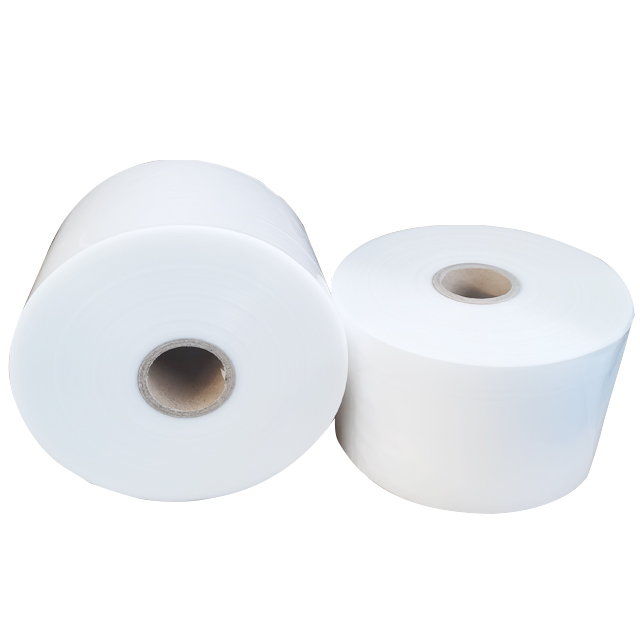
Pallet strap bands are useful when warehouse teams need to keep cartons together during short movements without applying a complete film wrap. A band can be pulled from a dispenser, stretched around an appropriate load, and removed at the next handling point. Selecting the correct pallet strap band width and tension matters because an oversized loop may slip while excessive force can deform light cartons. The application is fast internal handling, not a substitute for a fully engineered long-distance freight restraint system.
The pallet strap band is a polyethylene-based securing material offered in pre-cut band lengths and dispenser or refill formats. For buyers running packing stations, order-picking areas, or nearby warehouse transfers, the important questions are the band circumference, contact position, carton strength, and repeatability of use. This guide turns those questions into a practical purchasing and handling method.
Appropriate use
Elastic pallet bands can temporarily hold selected cartons on pallets during controlled internal transfers. Size them to the load perimeter and test retention under normal forklift movement; use a more complete securing system where transport conditions require it.
Identify the Movement before Choosing a Band
Start by mapping where the pallet travels. A load moving 50 meters from a packing station to a nearby finished-goods bay faces different conditions from a pallet loaded into a truck for several hours. Short-distance pallet securing may call for rapid application and removal, while long-distance transit requires protection against sustained vibration, acceleration, and varied handling.
The cargo type also changes the decision. Regular cartons that interlock and have adequate compression strength may be easier to secure with a limited number of bands. Tall, top-heavy, fragile, or irregular stacks may require a different unitization method. A low-cost band is not a safe solution if the pallet itself is unstable.
Understand Width and Contact Pressure
Band width affects how the applied force is distributed across cartons. A narrow band concentrates pressure, while a wider band spreads contact over a larger area. This can matter for soft corrugated packaging, display cartons, and products with delicate corners. However, width alone does not determine load security.
ECOPACK lists standard pre-cut band formats including 100 mm-wide options in several lengths and a 200 mm-wide refill format. These should be treated as starting points for evaluating the real loaded perimeter. A 100 mm pallet stretch band may be convenient for a stable carton stack, but a wider design may be worth discussing where contact pressure is a concern.
Specification item
What to check
Practical consequence
Band width
Area contacting carton surfaces
Helps distribute restraint pressure
Pre-cut length
Perimeter of the actual loaded stack
Avoids slack or excessive stretch
Material recovery
Ability to retain useful tension
Influences stability after application
Quantity per roll
Dispenser or refill format
Affects workstation replenishment
Band placement
Upper, central or lower load section
Changes which cartons are restrained
Removal method
Ease of release and recovery
Matters at receiving or repacking
Measure the Load Perimeter
For a rectangular carton stack, the loaded perimeter is approximately twice the sum of its length and width. The calculation gives a useful starting point, but pallet corners and carton overhang change the path that the band follows. Do not simply order a band whose unstretched length equals the calculated perimeter; the useful working range depends on the elasticity and the amount of extension needed for a secure fit.
Measure the load at the exact height where the band will be placed. Stacks can taper, bulge, or have smaller upper layers, so one measurement at the pallet base may be misleading. If several band positions are planned, record the perimeter at each position.
How to Check Pallet Band Tension
Tension should be high enough to hold suitable cartons together during the intended movement but low enough to avoid damaging packaging. Operators can start with a representative stable stack and observe whether the band remains in position after routine forklift movements and turns. Look for crushed sidewalls, indentations, bands climbing over corners, and slipping between cartons. If a band must be overstretched to reach the load, it may be the wrong size even if it stays on during the first trial.
Temperature changes and repeated stretching can also affect elastic behavior, depending on the specific product and conditions. Establish an approved use method rather than leaving individual operators to guess how tightly to stretch each band. For high-throughput stations, simple training and a clear size label can improve consistency. The pallet strap band category is a useful starting point for comparing formats that suit different internal handling tasks.
The band is not a cargo lashing system
Pallet bands are designed for appropriate internal transport and short movements. They should not be represented as certified load-restraint straps for container shipping, highway transport or heavy unsecured cargo.
Use Dispenser Boxes and Refill Rolls Efficiently
Pre-cut bands are available in dispenser boxes that allow workers to pull one band at a time, while refill rolls can support repeat use of the dispensing arrangement. This format can help reduce handling at busy packing stations. The dispenser location should allow workers to retrieve a band without reaching across moving equipment or walking unnecessarily around pallets.
Record how many bands a typical pallet uses and the number of pallets processed per shift. Procurement can then estimate monthly consumption and compare dispenser configurations according to practical replenishment intervals. Consider where empty packaging or refill cores are collected, and whether labels remain legible after repeated use of the dispenser.
Place Bands Where They Support the Stack
A single band placed around the middle of a stack may retain a compact group of cartons, but it may leave an unstable top layer unsecured. Conversely, one tight band near the top may not control movement lower down. The correct number and height of bands depend on load construction and route conditions. A small pilot on representative pallets is preferable to prescribing a fixed number for all warehouse applications.
Operators should also consider carton labels and barcodes. A band placed over a scan label can slow receiving, while one placed across an opening may interfere with order picking. Test the band on the loaded pallet and then simulate the entire internal movement, including unloading or removal. A securing method that works only at the first workstation may create difficulties later in the process.
Short-distance band test
01
Build — Use the normal pallet and carton stacking pattern
02
Measure — Check the loaded perimeter at proposed band positions
03
Apply — Fit a sample band without carton deformation
04
Transfer — Observe stability during controlled forklift movement
05
Release — Confirm safe removal and practical workstation handling
Compare Bands with Other Pallet Packaging
Pallet bands, stretch film, and full hood systems solve different handling problems. A band can hold a stable stack together temporarily, while stretch wrapping provides a more extensive film envelope and can be engineered for broader load containment. A pallet wrap solution may be more appropriate where the shipment leaves the controlled warehouse environment. The selection should follow the transport route and product risk, not only the apparent speed of applying material.
When in doubt, assess the full handling process with the site safety and logistics teams. A pallet may move safely between adjacent workstations but require additional securing before external dispatch. Clear internal handling rules help prevent a temporary band from being mistaken for the final export packaging. This distinction should appear in packing instructions and training materials.
What to Specify in a Bulk Pallet Band Order
For repeat purchasing, provide the loaded pallet perimeter, preferred band width, stacking height, intended number of bands per pallet, and estimated monthly volume. Ask about dispenser-box and refill options, available colors, and customization where needed. Include photographs of typical loads and identify whether the bands will be removed at the receiving point. These details allow a warehouse packaging manufacturer to discuss the appropriate product format.
A bulk packaging supplier should be able to support a consistent band specification for repeat orders, while the pallet band sizing inquiry can be used to confirm samples and packaging details. The approved choice should be based on a representative movement trial. Reliable temporary load securing depends on matching the band to the pallet and the operation rather than selecting a width from a price list alone.
Pallet strap band buying checklist
✓ Actual perimeter at the band position
✓ Carton strength and stacking condition
✓ Intended movement and handling duration
✓ Band width, length and roll quantity
✓ Dispenser or refill format
✓ Sample verification and internal-use instructions
Conclusion
Pallet strap band width and tension should be selected together with load dimensions and the intended handling route. A properly sized elastic band can simplify short-distance pallet movement, but it cannot correct an unstable stack or replace required freight restraints. Clear measurements, controlled trials, and consistent dispensing procedures help warehouses use bands where they provide a practical advantage.
Frequently Asked Questions
Are elastic pallet bands suitable for every export shipment?
No. They are primarily useful for selected short-distance or internal handling tasks. Long-distance transport may require additional containment and restraint validated for the route.
What happens when a pallet strap band is too tight?
Excessive tension can compress light cartons or damage packaging edges. Select width and loop size using a trial on the actual load rather than maximum tightness.
What dimensions belong in a pallet band purchase request?
Provide the loaded pallet perimeter, stack height, carton sensitivity and handling method. Specify expected reuse and the preferred dispenser or refill format where applicable.