Mixed carton pallets are difficult to secure because the load rarely forms a smooth rectangle. Different box heights, empty pockets, light display cartons, and overhanging cases can produce uneven pressure when wrapping material is applied. The correct mixed carton pallet wrapping methods should be chosen according to the load's shape, stability, and destination rather than according to a warehouse's usual packaging material. A method that works for uniform cartons may provide poor results on a mixed order assembled for retail distribution.
There are several realistic options, including machine stretch film, cold-stretch pallet hoods, and elastic pallet strap bands. They do not perform the same job. This guide compares how these methods interact with mixed-size carton stacks, where their limits appear, and what a buyer should test before selecting material for a packing operation. It is focused on load containment rather than dust protection or the general distinction between wraps and covers.
Start with the load
Packaging material cannot repair unstable pallet building. First establish a sound footprint, weight distribution and carton pattern, then select the securing method that maintains that configuration through handling.
Understand the Instability of Mixed Carton Pallets
A mixed pallet may contain several product sizes, with the largest cartons at the base and smaller cases stacked above. When the upper layer narrows, the wrapping film may pull strongly across the wider lower corners while applying less direct contact to the center. Soft cartons can collapse if tension is increased to compensate. Other loads have small boxes placed alongside heavy cartons, making the stack vulnerable to movement during forklift acceleration.
The pallet builder should check the load's center of gravity, outer footprint, layer stability, and resistance to compression. Cartons should be positioned so that stronger packaging supports weaker packaging where possible. Avoid long unsupported gaps and sharp protrusions that catch film. A clear pallet-building standard often produces a greater improvement than replacing one wrapping material with another without changing the stack.
Stretch Film: Flexible Coverage for Varied Carton Shapes
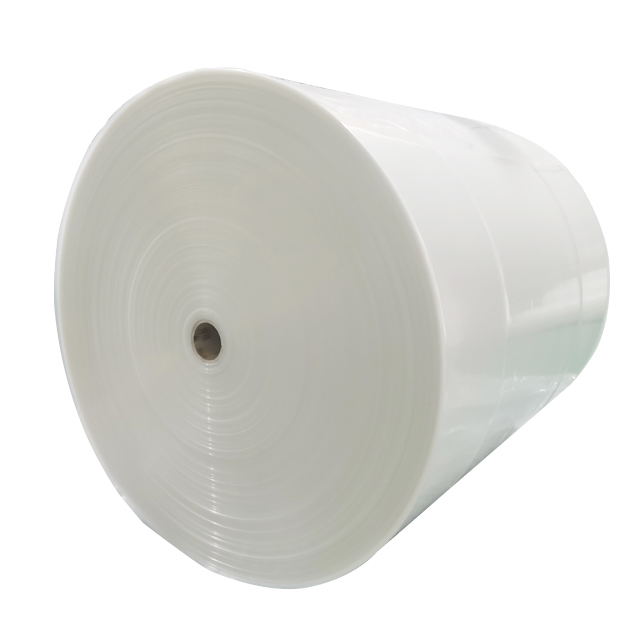
Stretch film can conform to many mixed carton profiles and be applied in overlapping layers around the load. The wrapping recipe determines where film is concentrated and how much holding force is applied. This makes film practical for a variety of pallets, but excessive tension can crush lightweight cartons while insufficient overlap leaves tall upper layers poorly restrained. Different load shapes may require different recipes or additional stabilization.
The pallet wraps category includes film options for industrial pallet handling. For mixed-size carton pallet wrapping, buyers should evaluate film behavior near edges, at sudden changes in width, and over the top portion of the load. A successful trial should show that cartons stay in place under realistic movement without being visibly distorted. Film gauge alone is not a substitute for checking containment force and applied material quantity.
Stretch Hoods: Best Evaluated against Load Geometry
A stretch hood is fitted over a pallet load by a compatible hooding process and recovers around the sides. This can provide broad coverage for loads whose overall footprint and height suit the machine and hood format. The design is useful when production conditions are repeatable, but mixed cartons can complicate the sizing decision if each pallet differs substantially. Oversized or stepped profiles may not match the hood's working stretch range or recovery requirements.
For automatic stretch hood film, the relevant questions are load dimensions, the hooding machine's permitted range, and whether the recovery force creates acceptable contact across the load. Small upper cartons may not be restrained effectively if the hood bridges large recesses. A fitted sample and machine trial should determine whether the variation in pallet geometry is acceptable. Stretch hoods should not be confused with heat-shrink hoods; their application processes differ.
Pallet Strap Bands: Quick Temporary Restraint
Elastic bands can be practical when cartons need to be held together during short warehouse transfers and the stack is already stable. Staff can place bands at selected heights without enclosing the entire load in film. For mixed loads, however, a narrow band may hold one group of cartons while leaving smaller packages free to shift above or below it. This makes band placement and load design especially important.
Pallet strap bands are best treated as a selective internal-handling method rather than a default export packaging solution. Their intended use differs from continuous stretch-film wrapping, and they should not be assumed to provide full containment during long-distance freight. For a picking area or staging lane, they may offer operational convenience when a site-approved test confirms that the load remains stable. For external transport, more complete securing arrangements may be required.
Method
Most suitable situation
Main limitation to check
Stretch film
Variable shapes needing conformable side containment
Crushing, neck-down and inconsistent upper retention
Stretch hood
Pallets within a defined hooding size range
Large variation in footprint or stepped profiles
Elastic strap bands
Stable loads moved inside a facility
Incomplete restraint of irregular upper layers
Corrective pallet building
Every mixed-carton load
Requires consistent carton placement and training
Match the Method to the Transportation Route
Packaging for local internal handling should not automatically be approved for pallet movement on a long haul. A forklift route through a warehouse, a multi-stop distribution truck, and a container shipment expose cartons to different motion and handling conditions. The packaging method needs to satisfy the most demanding relevant stage of the journey. If several stages occur, the site may need one form of temporary securing inside the warehouse and another for the final shipment.
The route may also determine whether a returnable material is practical. Mixed pallets dispatched to many unrelated customers are difficult to manage with a reusable external wrap unless empty covers can be recovered. For pallet line packaging, continuous film or hoods may be easier to incorporate into one-way shipments. The decision should include receiving requirements and the carrier's load-restraint procedures, rather than treating warehouse handling speed as the only selection criterion.
Containment and cargo restraint are related but different
Packaging can help maintain the shape of a unitized pallet, but pallets must still be properly restrained in a vehicle or container. Film or bands should not be represented as substitutes for shipping restraints.
Test Difficult Mixed Loads, Not Just the Average Pallet
Select representative pallets from the warehouse's actual order mix, including the most uneven and top-heavy configurations. Apply each candidate securing method using a documented procedure and observe whether cartons deform, shift, or become exposed. If automated wrapping is used, record machine settings and film consumption. If bands are used, record placement and number of bands. A method should be approved based on its performance with the challenging loads that are likely to occur in production.
Involve warehouse, packaging, quality, and logistics personnel in the trial. The packing team may identify handling delays, while the receiving team may notice damage or difficulty opening the load. Record these findings before comparing material prices. A lower packaging cost is not valuable if the method increases product damage, returns, or rework. An industrial pallet packaging manufacturer can help discuss suitable materials, but acceptance should remain tied to site-specific evidence.
Mixed-carton packaging trial
01
Build — Establish approved stacking and edge-protection rules
02
Categorize — Separate common and difficult load profiles
03
Wrap — Test each material with a documented application method
04
Move — Check stability under representative handling
05
Decide — Compare containment, handling time and material usage
Create a Buying Specification for Mixed Loads
An RFQ should include the range of pallet footprints, minimum and maximum heights, box materials, likely overhang, and destination conditions. Explain the percentage of loads that have irregular shapes and identify whether the line uses an automatic wrapper or hooder. Ask how a proposed material should be tested against the site's containment requirements. The most helpful supplier response will relate the product to these actual conditions.
A pallet packaging supplier can present several material options, but those offers must be compared on their performance with the same load types. Buyers seeking a mixed pallet packaging recommendation should provide sample photographs and existing problem records, such as crushed cartons or slipping upper layers. This makes the purchasing discussion more focused than simply asking which product is “strongest.”
Conclusion
There is no single best wrapping method for every mixed carton pallet. Stretch film offers conformable side restraint, stretch hoods need suitable geometry, and elastic bands serve selected short-distance handling tasks. The strongest selection process begins with stable pallet building and then evaluates materials against difficult real loads, shipping conditions, and measurable containment performance.
Frequently Asked Questions
Can one wrapping method secure every mixed-carton pallet?
No. Carton height differences, voids and fragile edges affect how restraint is applied. Choose a method based on the specific load and shipment conditions.
Should an unstable pallet simply receive more stretch film?
Not necessarily. Rebuilding the stack, reducing overhang or adding appropriate internal support may be more effective. Wrapping cannot reliably correct poor load construction.
How should mixed-load packaging methods be compared?
Test representative difficult pallets under the same handling conditions. Compare damage, load movement, application time and material consumption rather than appearance alone.