
Views: 0 Author: Site Editor Publish Time: 2026-06-08 Origin: Site


You want to choose heat shrink wrap that fits your needs. Start by matching the wrap type to your application. Learn the differences between materials to get the best fit. Avoid common mistakes many people make, such as picking the wrong size, not preheating your heat gun, or working in a messy space. Focus on your specific requirements. ECOPACK offers trusted solutions to help you make the right choice.
Figure out what you need before picking heat shrink wrap. Think about what you want to cover and pick the best type for good results.
Always measure your things carefully to get the right size of heat shrink tubing. A tight fit gives better safety and insulation.
Pick the right material for your project. Polyolefin is strong and bends easily. PVC costs less and works for easy jobs.
Learn about the shrink ratio and how thick the wrap is. Bigger ratios fit odd shapes better. Thicker films last longer.
Do not make mistakes like heating too much or picking the wrong size. Using the right steps gives a tight and safe seal.
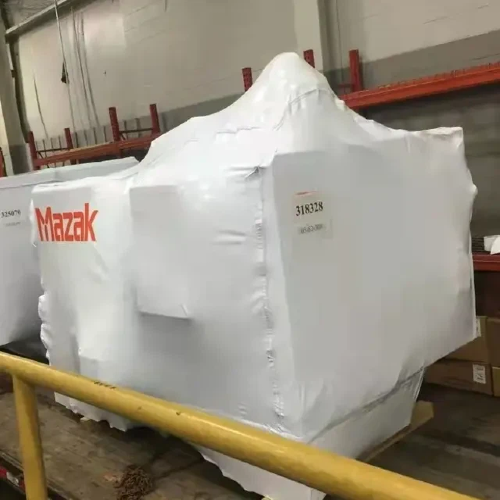
First, think about what you want to protect. Heat shrink wrap can cover many things in factories and stores. You can use it for big machines, stack products on pallets, and wrap odd-shaped items. It keeps dust and dirt away from your stuff. It also protects from UV rays, wind, rain, and snow. This helps your products stay in good shape and makes it easier to see if something is missing or broken. Clear film lets you see what’s inside.
Here are some common uses:
Protecting boats and jet skis in winter.
Wrapping building materials like insulation and electrical parts.
Covering engines and machines before shipping.
Bundling wires and electronics to keep them neat.
Keeping food fresh and safe from water.
ECOPACK has helped many industries with special solutions. You can find wraps for boats, building, factories, and food. Each industry needs something different, and ECOPACK can help you pick the best wrap.
Measure your items before picking heat shrink tubing. Use a tool like a vernier caliper to check the biggest part of your item. Make sure the tubing’s expanded inner diameter is bigger than your item’s largest part. The recovered inner diameter should be smaller than the smallest part you want to seal.
Shrinkage ratio is important. Common ratios are 2:1, 3:1, and 4:1. A higher ratio means the tubing fits over bigger items and shrinks tight. Use a size chart to match tubing to your item. Pick a starting inner diameter a bit bigger than your item for easy use. After shrinking, the tubing should fit snugly for good protection.
If you need to cover wires or connections, choose tubing that shrinks enough to hold them tight. This stops movement and keeps water out. ECOPACK gives advice to help you pick the right size and shape.
Think about where you will use the wrap. Indoor and outdoor places have different needs. For outside, you need tubing that can handle tough weather. It should protect from water, UV rays, and changes in temperature. The tubing makes things stronger and keeps water out. It also protects from damage, which happens more outside.
For inside use, focus on keeping wires and connections safe from dust and bumps. You still want a tight seal to protect everything. ECOPACK has wraps for both indoor and outdoor use, so you can find what you need.
Tip: Always pick a wrap that matches your job. This helps your items last longer and work better.
Most of the time, you pick between polyolefin and PVC for heat shrink tubing. Each one is good for different things. Polyolefin is strong and bends easily. It works well in hot or cold weather. You can use it to wrap wires and keep connections safe. PVC costs less money and looks shiny. It is good for easy jobs. But PVC can break in the cold or get wrinkly in the heat.
Here is a table to help you compare:
Feature | Polyolefin (POF) | PVC |
|---|---|---|
Durability | Extremely durable and versatile | Durable but less so than POF |
Puncture Resistance | Excellent | Higher resistance to tear spread |
Seal Strength | Excellent | Lower |
Environmental Considerations | FDA-approved, recyclable | Harmful byproducts, banned in some places |
Temperature Sensitivity | Stable in heat and cold | Brittle in cold, wrinkles in heat |
Applications | Many uses, including wires and connections | Limited to certain jobs |
Cost | Higher | Lower |
It is important to know what each material does well and what it does not. Polyolefin is clear, bends easily, and is safe. It is also better for the earth. PVC shrinks well and looks shiny. It is easy to seal and does not cost much. Polyethylene is good for big things and is strong. But it is not clear.
Material | Advantages | Disadvantages |
|---|---|---|
PVC | Good shrinkage, clear, shiny, low cost, easy to seal | Environmental issues, brittle, less flexible |
Polyolefin | Eco-friendly, strong, flexible, safe, clear | Higher cost, lower shrinkage ratio |
Polyethylene | Cheap, good for big items, durable, recyclable | Not clear, limited shrinkage, less attractive |
Tip: Pick polyolefin if you need something strong and bendy, like for wires or connections. Choose PVC for easy, indoor jobs when you want to save money.
ECOPACK has many kinds of heat shrink wrap. You can get flame retardant and biodegradable wraps. There are also special films for your needs. ECOPACK helps keep wires, connections, and insulation safe from water and dust. If you want your own brand, ECOPACK can help with that too. Every product is made to be safe and last a long time.
Unique Material Options | Description |
|---|---|
Flame Retardant Films | Extra safety for high-risk areas |
Biodegradable Wraps | Eco-friendly choice for green projects |
Custom-formulated Films | Made for your special needs |
Private Labeling | Your brand, your way |
You can always ask ECOPACK for help picking the best material for your job.
You have to pick the right shrink ratio for your job. The shrink ratio shows how much the tubing gets smaller when you heat it. Some common ratios are 2:1, 3:1, and 4:1. If you use a 2:1 ratio, the tubing gets half as small. A 3:1 ratio means it gets one-third as small. A 4:1 ratio means it gets one-fourth as small.
Here is why picking the right shrink ratio is important:
You get a good fit around wires, ends, and odd shapes. This gives strong insulation and helps stop wires from breaking.
You make a seal that keeps water out. This is good for outside jobs or when you need to keep things dry.
You use just enough material and do not waste money.
You can match the tubing to your job, like cars, solar panels, or factories.
Feature | 2:1 Ratio | 3:1 Ratio | 4:1 Ratio |
|---|---|---|---|
Shrinkability | Standard | High | Very High |
Coverage Range | Narrow | Medium | Wide |
Cost | Low | Moderate | High |
Seal Quality | Basic | Good | Excellent |
Ideal For | Uniform wires | Mixed diameters | Irregular cables |
Tip: Pick a higher shrink ratio if your item changes size a lot or needs extra outdoor protection.
Film thickness changes how well your heat shrink wrap protects things. Thicker films are stronger and last longer. Thinner films are easier to use but may not last as long.
Film Thickness | Protection Level Description |
|---|---|
6 Mil | Good for small things or short use. Easy to use but not very strong. |
8 Mil | Works for most jobs. It is strong and bends well. |
10 Mil | Best for big things or bad weather. Harder to tear. |
12 Mil | Gives the most protection for heavy or long storage. |
Pick the film thickness by thinking about your item’s size and where you will use it.
Always measure your wires and ends before you pick heat shrink tubing. Use a size chart to match the tubing’s biggest size to the largest part of your item. After shrinking, the tubing should fit tight for a good seal and insulation.
Industry rules help you choose the right tubing:
Standard Type | Description |
|---|---|
Industry Standards | Set by the China Electricity Council for cost and value. |
Environmental Standards | Must meet RoHS, Reach, and UL224, especially for exports. |
Technical Parameters | Include flame retardant grade, shrinkage ratio, voltage, temperature, and wall thickness. |
Note: Always look at the technical sheet and rules before you buy. This keeps your wires safe and makes sure your project follows the rules.
You need the right tool to get the best results from heat shrink tubing. You can use a heat gun or a shrink tunnel. Each tool works best for different jobs.
Heat guns work well for small projects or when you need to wrap just a few items. You can move them around easily and use them to heat specific spots. This helps when you want to wrap wires or make tight seals on connections.
Shrink tunnels are better for big jobs. You use them when you have many items to wrap. They heat everything evenly and work much faster. Shrink tunnels also help you finish more work with less effort.
If you want to wrap a few wires or connections, a heat gun is a good choice. If you need to wrap many items in a short time, a shrink tunnel will save you time and give you a strong seal.
You must use the right temperature to shrink the wrap. Each material needs a different heat level to work well. If you use the wrong temperature, the wrap may not shrink right or may not seal at all.
Material Type | Optimal Temperature Range (°C) | Notes |
|---|---|---|
PVC Films | 90–110 | High shrink force but regulatory constraints |
Polyolefin (POF) | 135–155 | Optimal uniform shrink with superior safety |
Polyethylene (PE) | 105–115 | Limited use due to narrow window and stability issues |
Always check the label or ask for help if you are not sure which temperature to use.
Nearly two-thirds of heat shrink wrap problems happen because people use the wrong speed or temperature. Thermostat mistakes cause about 18% of cases where the wrap does not heat up at all. You can avoid these problems by following the right steps and using the right equipment.
You do not have to figure out everything alone. ECOPACK gives you support and technical help. You can ask for advice on which tool to use or how to set the right temperature. ECOPACK’s team helps you choose the best heat shrink tubing for your wires, connections, and insulation needs. You get tips to keep out moisture and make sure your seal is strong. With ECOPACK, you can work with confidence and get the best results every time.
You want your workplace to be safe. You also want to keep people safe who use your products. When picking heat shrink wrap, choose wraps that do not give off bad chemicals. Non-toxic wraps help stop health problems. They also help protect the earth.
Many companies now want packaging that is safe for people and nature. You can look for wraps that follow important safety rules. These rules make sure wraps do not have harmful stuff in them. Some main standards are:
RoHS: Stops dangerous materials in electrical and electronic things.
REACH: Checks chemicals in products to keep people and nature safe.
GRS: Looks at recycled content and good ways to make things.
If you choose wraps that follow these rules, it shows you care about safety and the earth. ECOPACK has wraps that meet these rules. You can trust these wraps are safe for many jobs.
Tip: Always ask for proof that wraps are safe and follow the rules before you buy.
You need to know your heat shrink wrap follows world rules. This helps you avoid trouble when shipping or storing things. It also shows buyers you use good materials.
ECOPACK follows strict rules to make sure wraps are safe and strong. The company has important certificates. These show ECOPACK’s wraps meet high rules for safety, quality, and fire safety.
Certification/Standard | Description |
|---|---|
DIN4102-1 B1 | Flame retardant compliance |
NFPA 701 | Flame retardant compliance |
ISO 9001 | Quality management system certification |
You can use ECOPACK’s wraps and feel sure they are safe. The company checks every batch to make sure it follows these rules. You can feel good knowing your packaging is safe and approved everywhere.
Note: Picking certified wraps helps you follow rules and keeps your products safe.
When you use heat shrink wrap, you want to get the best results. Many people make simple mistakes that can cause problems. If you know what to watch for, you can avoid these issues and protect your items better.
Choosing the wrong size is one of the most common mistakes. If you pick shrink wrap that is too large, you may see wrinkles and creases. If it is too small, the wrap can tear or not cover your product fully. Uneven shrinkage often happens when you do not apply heat evenly. This can make your package look messy and less secure.
Wrinkles and creases appear when the film is too big or not applied smoothly.
Uneven shrinkage comes from heating some areas more than others.
Using the wrong size can lead to tears or loose wrapping.
Tip: Always measure your items carefully. Pick a film size that fits snugly with minimal extra material. Apply heat evenly for a smooth finish.
Applying too much heat can damage the wrap. If you overheat PVC, it may soften, wrinkle, or even release strong odors. Too much heat can also make the material brittle, causing splits or tears. Sometimes, overheating creates tiny cracks that weaken the seal.
Overheating can cause the wrap to become brittle and split.
PVC may give off harmful odors if heated too much.
Micro-cracks can form, making the seal less effective.
Work in a well-ventilated area and use the right temperature for your material. ECOPACK recommends heating from the center outwards to avoid trapping air.
Picking the wrong material can put your products at risk. If you use a wrap that does not match your needs, you may get a weak seal. Sensitive items could face moisture, corrosion, or even electrical failures. Standard wraps may not protect well in extreme conditions.
Compromised seals can let in dust or water.
Inadequate protection may damage goods during shipping.
The wrong wrap may not handle heat, cold, or chemicals.
If you are unsure, ask ECOPACK for advice. Their experts help you choose the right wrap for your job and avoid costly mistakes.
You can make the best choice by following a few key steps.
Review your application needs and check the heat shrink size chart for the right fit.
Select the right material and thickness for your project.
Think about color, marking, and how you want to cut the wrap.
Plan for your space, budget, and future needs.
When you choose the correct heat shrink wrap, you get a strong seal, better moisture resistance, and long-lasting protection. Explore ECOPACK’s solutions or reach out for expert help.
You use heat shrink wrap to protect items from moisture, dust, and damage. It covers machines, wires, and products. You can use it for shipping, storage, and keeping things safe outdoors.
Measure your item’s largest part. Pick a wrap with an expanded diameter bigger than your item. After shrinking, the wrap should fit tightly. You can check size charts for help.
Yes, you can use heat shrink wrap outside. Choose wraps that resist UV rays and water. ECOPACK offers outdoor wraps that protect against rain, wind, and sunlight.
You need a heat gun for small jobs. For bigger projects, use a shrink tunnel. Both tools help the wrap shrink and seal tightly around your items.