
Views: 0 Author: Site Editor Publish Time: 2026-04-01 Origin: Site


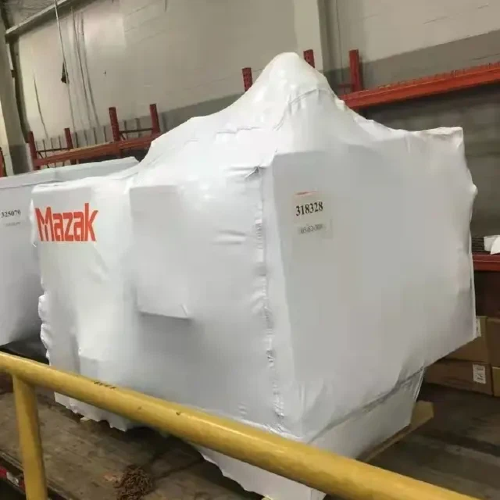
Tired of loose, messy seals? Heat shrink wrap offers the perfect, durable protection you need. Learn how to achieve a professional finish every time. In this guide, you will master essential materials, tools, and expert application techniques for perfect results.
● Choose Proper Materials: Always match the shrink ratio and material type, like polyolefin or PVC, to your specific project needs.
● Use Professional Tools: Industrial heat guns are essential for reaching the required temperatures that household hair dryers cannot provide.
● Master the Technique: Start heating from the center and move outward to prevent air bubbles and ensure a smooth, professional finish.
● Prioritize Preparation: Clean all surfaces and remove sharp edges before application to guarantee a secure and permanent bond.
● Monitor Heat Levels: Maintain a safe distance and keep the heat source moving to avoid scorching or burning the heat shrink wrap.
Not all heat shrink wrap is created equal. The material you choose depends entirely on the environment it will inhabit.
Polyolefin is the "gold standard" for electrical and industrial applications. It is highly flexible, flame-retardant, and resistant to chemical solvents. If you are insulating wires or creating mechanical strain relief, this is your go-to material. PVC, on the other hand, is often found in the retail and food industry. It is crystal clear and provides a sleek look for consumer packaging, but it tends to be more brittle than polyolefin when exposed to extreme cold.
The shrink ratio tells you how much the material will compress from its original size.
● 2:1 Ratio: Shrinks to half its original diameter. Great for basic wire bundles.
● 3:1 or 4:1 Ratio: These are "high-shrink" wraps. They are ideal for covering irregular shapes, such as a connector that is much wider than the wire it is attached to.
Single-wall tubing is perfect for general organization and light protection. However, if your project involves moisture—like marine wiring or underground cables—you need dual-wall heat shrink wrap. It features an inner layer of adhesive that melts during the heating process, creating a waterproof, airtight seal that "glues" itself to the substrate.
To get a snug fit, follow the "80/20 rule." The expanded diameter should be slightly larger than the object you are covering, and the fully recovered (shrunk) diameter should be smaller than the object. This ensures the wrap remains under tension, providing a secure grip.
Feature | Polyolefin | PVC | Dual-Wall (Adhesive) |
Durability | High | Medium | Very High |
Flexibility | Excellent | Low | Medium |
Best Use | Industrial/Electrical | Retail Packaging | Marine/Harsh Environments |
Clarity | Opaque/Colored | High Clarity | Opaque |
The quality of your finish is directly tied to the consistency of your heat source. While it might be tempting to grab whatever is nearby, precision requires the right equipment.
A dedicated industrial heat gun is the best tool for most heat shrink wrap tasks. It offers adjustable temperature settings and airflow control. For field repairs where electricity is unavailable, butane-powered torches work well, but they require a much steadier hand to prevent scorching. For high-volume production lines, infrared heaters provide the most uniform heat distribution without the turbulence of forced air.
We often see beginners struggle with household hair dryers. These appliances are designed to dry hair without burning skin, meaning they rarely reach the 250°F to 350°F (120°C to 180°C) required to properly trigger the polymer's "memory" and ensure full recovery. Using one often leads to uneven shrinkage and a loose, unprofessional fit.
Professional heat guns often come with a variety of nozzles. A hook or "reflector" nozzle is a game-changer for wire work. It wraps the heat around the back of the tubing, ensuring the entire circumference shrinks simultaneously. A spreader nozzle is better for large, flat areas of film.
Heat guns can cause severe burns instantly. Always wear heat-resistant gloves when handling recently shrunk items. Furthermore, some PVC wraps can release trace amounts of hydrochloric acid fumes if overheated; always work in a well-ventilated area or use a fume extractor.
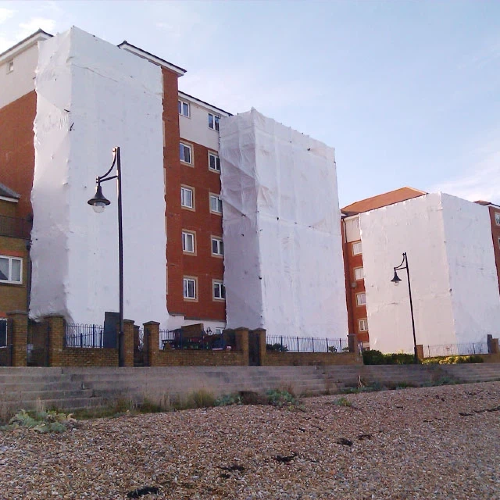
Applying heat shrink wrap is a skill that blends science with a bit of "feel." Follow these steps to ensure a flawless result.
The bond is only as good as the surface underneath. Clean your wires or objects with isopropyl alcohol to remove grease and fingerprints. If you are wrapping a metal component, ensure there are no sharp burrs that could puncture the plastic as it tightens.
Slide the wrap over your component. If you are sealing a connection, ensure the wrap overlaps the original insulation by at least half an inch on both sides. This overlap provides the mechanical strength needed to prevent the wire from pulling out.
This is the secret to a wrinkle-free finish. Start applying heat to the center of the heat shrink wrap. Once the center has gripped the object, move the heat gun slowly toward one end, then the other. This pushes the air out toward the openings and prevents air pockets from being trapped inside.
Keep the heat gun moving constantly. If you stay in one spot too long, you risk "burning" the material, which makes it brittle. Rotate the object (or move the gun around it) to ensure every side receives equal thermal energy. The wrap should look smooth and take on the shape of the item beneath it.
Once the wrap has fully conformed, resist the urge to touch or move it immediately. The polymer needs a minute to "set" its new structure. Moving it too early can cause the material to stretch or the adhesive seal to break.
When we move beyond small wires to large-scale industrial packaging, the stakes get higher. These projects require heavy-duty film and specialized techniques.
For securing heavy loads, we use thick-gauge shrink film. Instead of a small gun, we use high-output propane heat tools. The goal here is "containment force"—the shrink wrap acts as a structural element that prevents the load from shifting during transit.
In construction or marine storage, you often need to wrap an entire boat or a scaffolding structure. This involves creating a "belly band" or perimeter line. You tape the film to this line and then use a heat tool to weld the seams together, creating a drum-tight enclosure.
Large enclosures can trap moisture, leading to corrosion. Professionals install adhesive-backed vents to allow for airflow. If you need to inspect the equipment during storage, you can also heat-weld a zipper door directly onto the heat shrink wrap surface.
To prevent "dog ears" (large flaps of loose plastic at the corners), use the "hospital corner" technique. Fold the excess material flat against the side of the object and apply heat to "weld" the fold into place. This creates a clean, aerodynamic profile that won't catch the wind during transport.
Even experienced technicians occasionally run into trouble. Recognizing these signs early can save you time and material costs.
If the heat shrink wrap begins to turn brown, bubble, or crack, you’ve applied too much heat. This compromises the integrity of the plastic. If you see a hole appear, the piece is ruined and must be replaced. Always maintain a distance of 3 to 6 inches between the nozzle and the wrap.
Sometimes a user picks a wrap that is too large. If the wrap reaches its "maximum recovery" (it can't shrink any further) but is still loose on the object, it provides zero protection. Always check the "Recovered ID" (Internal Diameter) on the manufacturer's spec sheet before starting.
Wrinkles or "fish-eyes" usually happen when heat is applied too quickly to the ends before the middle is set. If the ends shrink first, they trap air in the center. Remember: center-out is the gold standard.
In adhesive-lined wraps, air bubbles can create weak spots where moisture can enter. If you see a bubble, you can sometimes "massage" it toward the end of the tube while the plastic is still warm and soft, using a gloved finger.
In critical B2B applications, a "good-looking" wrap isn't enough; it must be functional.
When using dual-wall heat shrink wrap, you should see a tiny bead of adhesive squeeze out from the ends. This is the visual confirmation that the internal glue has melted and filled all the voids, providing a true environmental seal.
Wrapping a "Y" junction or a T-split is difficult. The best approach is to use multiple overlapping pieces of wrap. Start from the bottom branches and work your way up so that each successive layer overlaps the one below it, much like shingles on a roof. This sheds water effectively.
For automotive or marine work, the seal must be airtight. Once the wrap is cool, a gentle tug should reveal zero movement. If the wrap slides, the adhesive didn't bond correctly, or the shrink ratio was insufficient for the diameter of the wire.
Heat shrink wrap is durable, but it isn't invincible. Long-term success requires choosing the right additives and performing periodic checks.
Standard black polyolefin has decent UV resistance, but clear or brightly colored wraps will degrade quickly in direct sunlight. If your project stays outdoors, specify "UV-stabilized" materials to prevent the wrap from becoming brittle and cracking within a few months.
Over time, environmental stress or chemical exposure can cause micro-cracks. In industrial settings, we recommend an annual inspection of wrapped components. If the surface looks dull or "chalky," it’s a sign that the polymer chains are breaking down.
To remove old wrap, never cut directly toward the wires or the object. Use a safety cutter or a "hook blade" that slides under the wrap and cuts outward. This prevents accidental damage to the substrate you worked so hard to protect.
Mastering heat shrink wrap improves the safety and lifespan of your projects. Success depends on selecting the right shrink ratio and using professional tools. By following the center-out technique, you ensure a clean and functional seal every time. szecopack provides high-quality materials that simplify this process for industrial and DIY users. Their products offer superior durability and reliable thermal protection for any application. Always prioritize surface preparation and monitor heat levels for the best results.
A: Industrial heat guns provide the precise temperature control needed for professional heat shrink wrap results.
A: Burning occurs if the tool is too close; keep it 3-6 inches away from the heat shrink wrap.
A: Ensure the recovered diameter of the heat shrink wrap is smaller than the object for a snug fit.
A: Most hair dryers lack sufficient heat to trigger the full recovery of industrial-grade heat shrink wrap.


