
Views: 0 Author: Site Editor Publish Time: 2026-04-16 Origin: Site


Rising freight dimensions, transit damage, and volatile material costs constantly challenge procurement teams. These operational pressures force businesses to critically re-evaluate their secondary and tertiary packaging strategies. Traditional corrugated boxes and loose strapping often fail to provide optimal protection. They trap unnecessary air inside the package. This directly wastes valuable shipping container space. Transitioning to engineered polymer films provides a vastly superior alternative.
By adopting this technology, you can drastically reduce your storage footprint. This article explores the core Heat Shrink Wrap Advantages from a purely operational standpoint. We will define the verifiable physical and financial benefits of upgrading your packaging lines. You will learn to separate actual material science facts from simple vendor marketing claims. We explore exactly how polymer films secure goods, resist climate extremes, and improve overall supply chain efficiency.
Cost & Space Efficiency: Eliminates internal air gaps in packaging, significantly reducing dimensional weight (DIM) and storage footprint.
Environmental Resilience: Premium LDPE maintains structural integrity in extreme temperature ranges (-30°F to 120°F).
Security & Compliance: Advanced films offer visual tamper-evidence (color-changing variants) and barrier isolation for regulated industries.
Modern Sustainability: The emergence of biodegradable shrink wrap and high-yield LDPE scrap resale options mitigates environmental impact.
Many procurement professionals initially confuse shrink and stretch films. They serve entirely different logistical purposes. You apply a Heat Shrink Wrap by subjecting a polymer film to a thermal source. The heat activates the material. It then conforms tightly around specific product contours. Stretch wrap relies solely on elastic tension. Warehouse workers stretch it mechanically around pallets to stabilize heavy loads. We can outline these core differences in a simple comparative chart.
Feature | Heat Shrink Wrap | Stretch Wrap |
|---|---|---|
Application Method | Thermally activated via heat tunnel or gun. | Mechanically stretched via tension wrapper. |
Primary Function | Total encapsulation, elemental protection, tamper evidence. | Pallet stabilization and basic load grouping. |
Conformity | Molds exactly to irregular product shapes. | Wraps around the outermost perimeter only. |
Logistics carriers calculate shipping costs based on dimensional weight. Boxes and traditional crates contain unavoidable internal air gaps. These gaps inflate shipping costs unnecessarily. Heat shrink packaging solves this expensive problem. The heated polymer conforms to exact product dimensions. This achieves extreme compactness across your entire product line. You maximize container capacity instantly. This outcome directly lowers your per-unit shipping costs. It also frees up valuable square footage inside your distribution centers.
Labor bottlenecks cripple production lines. Manual packaging processes introduce human error. Modern shrink tunnels eliminate these specific inefficiencies. Automated wrappers integrate directly into existing high-speed conveyor lines. The machinery applies the film and seals it in seconds. This systemic upgrade reduces manual labor dependencies. It accelerates throughput without sacrificing packaging quality.
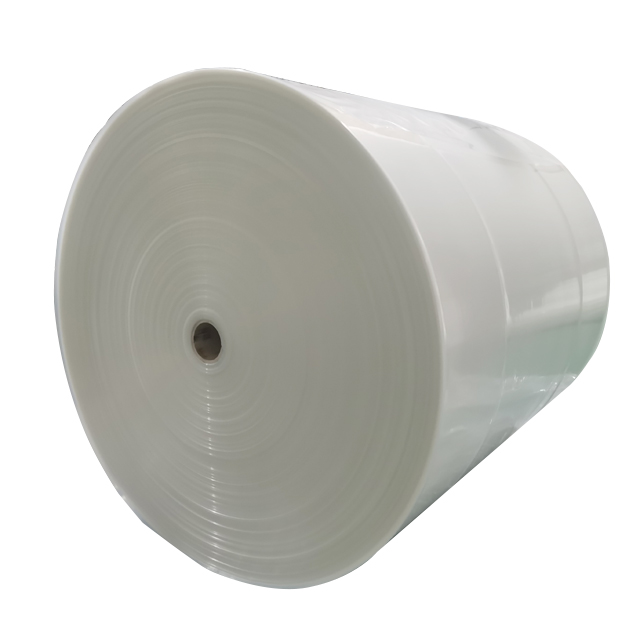
Global supply chains subject cargo to brutal environmental swings. Cardboard fails quickly when exposed to weather extremes. Industrial-grade Low-Density Polyethylene (LDPE) provides a superior defense mechanism. LDPE withstands severe transit conditions effortlessly. It resists sagging during prolonged heat exposure. It refuses to become brittle during freezing freight routes. Engineering tests show demonstrable stability between -30°F and 120°F. Your products remain secure regardless of the destination climate.
Water damage ruins sensitive shipments instantly. A properly sealed polymer film creates a virtually hermetic barrier. It defends against snow, rain, and intense humidity. However, implementation realities require strategic planning. Long-term outdoor storage poses unique challenges. Over-wintering large equipment can lead to internal condensation. You must implement ventilation accessories under the film barrier. Strategically placed vents prevent internal mold growth entirely.
Specific transit scenarios require specialized chemical defenses. Shipping exposed metal components demands extra caution. Utilizing a specialized VCI Shrink Wrap actively prevents surface rust. VCI stands for Volatile Corrosion Inhibitor. The film releases protective vapors into the sealed micro-climate. These vapors bond to metal surfaces during global shipping. They protect sensitive electronics and heavy machinery from saltwater corrosion.
Cargo theft and product tampering threaten brand integrity. Traditional tape allows thieves to reseal compromised boxes invisibly. Polymer films provide inherent visual authentication. A tight heat seal cannot undergo seamless reapplication. Once stretched, punctured, or cut, the damage remains obvious. This guarantees product integrity continuously. You protect the item from the factory floor directly to the end-user.
Highly regulated industries require extreme security measures. Pharmaceuticals, financial institutions, and government logistics use specialized materials. They frequently deploy advanced chrome shrink films. These color-changing security wraps offer brilliant anti-tamper mechanisms. The film undergoes an irreversible color shift upon interference. Unauthorized stretching or targeted heat manipulation triggers this chemical reaction. Inspectors can spot compromised pallets from several yards away.
Warehouse efficiency depends on rapid data capture. Opaque boxes force workers to open packaging for verification. Optically clear polymer films eliminate this manual step entirely. Automated scanners read barcodes effortlessly through the material. Warehouse personnel scan labels without breaking the vital packaging seal. This logistical transparency accelerates inventory audits significantly.
The adaptability of polymer films extends across countless commercial sectors. We can observe its verifiable impact through three distinct industry applications.
Print and Publishing: Printers struggle to package slippery, high-gloss paper. Traditional boxes allow the paper to slide and suffer dog-ears. A thermal wrap groups these items into rigid, standardized bundles. Facilities often package them in sets of 25, 50, or 100 units. Adding a stiff chipboard backer enhances structural integrity. This prevents scuffing entirely. It also simplifies retail inventory counting.
Food and Perishables: Spoilage destroys grocery profit margins. Food-grade barrier films restrict harmful oxygen exposure effectively. The tight seal creates localized micro-climates around the product. These micro-climates provably extend the shelf life of fresh perishables. Suppliers use them for produce, raw meats, and delicate floral arrangements.
Industrial and Architectural: Large assets require custom weatherproofing solutions. Thermal films feature completely uncapped size limits. Installers join multiple sheets together using mobile heat tools. This allows for the encapsulation of entire architectural structures. Teams wrap scaffolding, marine boats, and massive factory machinery. The thick barrier prevents dangerous chemical leaks. It also halts environmental degradation during winter storage.
Modern procurement demands sustainable packaging solutions. Many assume plastic films harm environmental goals inherently. However, industrial LDPE supports a highly efficient circular economy. The packaging process often generates clean, unprinted LDPE scrap. This specific scrap material is fully recyclable. Manufacturers frequently resell this pure waste back to film producers. This practice establishes a lucrative secondary revenue stream. It offsets initial material costs while diverting industrial waste from landfills.
Corporate sustainability mandates continue to evolve rapidly. Businesses face strict Environmental, Social, and Governance (ESG) requirements. The industry now offers viable, plant-based packaging alternatives. Integrating a reliable Biodegradable Shrink Wrap helps meet these aggressive ESG mandates. These formulations break down safely in proper composting environments.
However, procurement teams must verify specific operational assumptions first. You must assess the exact shelf-life of these bio-films. Compare their tensile strength against traditional polymers. Ensure they endure your specific transit routes effectively before initiating a full-scale rollout.
Purchasing cheap film yields poor logistical results. The true ROI of packaging efficiency requires a broader perspective. You must evaluate the process at a complete system level. Success comes from the precise synergy between the shrink film and the machinery. A mismatched tunnel temperature will burn or under-shrink premium films. Partnering with a capable industrial packaging materials manufacturer guarantees this vital equipment synergy.
Selecting the right supplier requires rigorous operational vetting. Use the following criteria to evaluate potential vendors:
Do they offer advanced custom printing capabilities directly on the film? Printing logos and handling instructions reduces your secondary labeling costs.
Can they supply specialized chemical formulations? Verify their capacity to deliver VCI, UV-resistant, or biodegradable variants tailored to your specific global transit routes.
Do they provide consultative equipment sizing? A proper vendor analyzes your conveyor speeds to ensure minimal machine maintenance. They help eliminate unnecessary electrical energy waste.
Heat shrink packaging goes far beyond providing a simple protective barrier. It serves as a highly strategic tool for modern procurement teams. Upgrading your systems allows you to shrink transit volumes aggressively. It extends perishable product life and ensures uncompromised security. Eliminating internal air gaps transforms your dimensional weight expenses.
Your team should take immediate, data-driven next steps. Conduct a comprehensive DIM-weight cost analysis today. Compare your current boxed shipments directly against shrink-wrapped equivalents. Calculate the potential freight savings per pallet. Finally, partner with an established manufacturer to execute a small-batch machine and film trial.
A: No, it rarely damages products when configured properly. Modern shrink tunnels operate at high speeds. The thermal energy transfers directly to the outer polymer film, causing it to contract instantly. The heat does not penetrate deeply into the core product. Facilities safely wrap delicate items, chocolates, and fresh produce daily.
A: Standard LDPE films degrade under prolonged ultraviolet exposure. They usually last three to six months outdoors. If your outdoor storage exceeds six months, you must request films formulated with specific UV inhibitors. UV-resistant wraps can easily endure 12 to 18 months of intense sun exposure without becoming brittle.
A: Yes, it is generally very safe. Vapor corrosion inhibitors target specific electrochemical reactions on bare metal surfaces. They saturate the enclosed air space to stop rust formation. These specific protective vapors do not react adversely with plastics, rubbers, or glass components found on mixed-material machinery.


