
Views: 0 Author: Site Editor Publish Time: 2026-05-15 Origin: Site


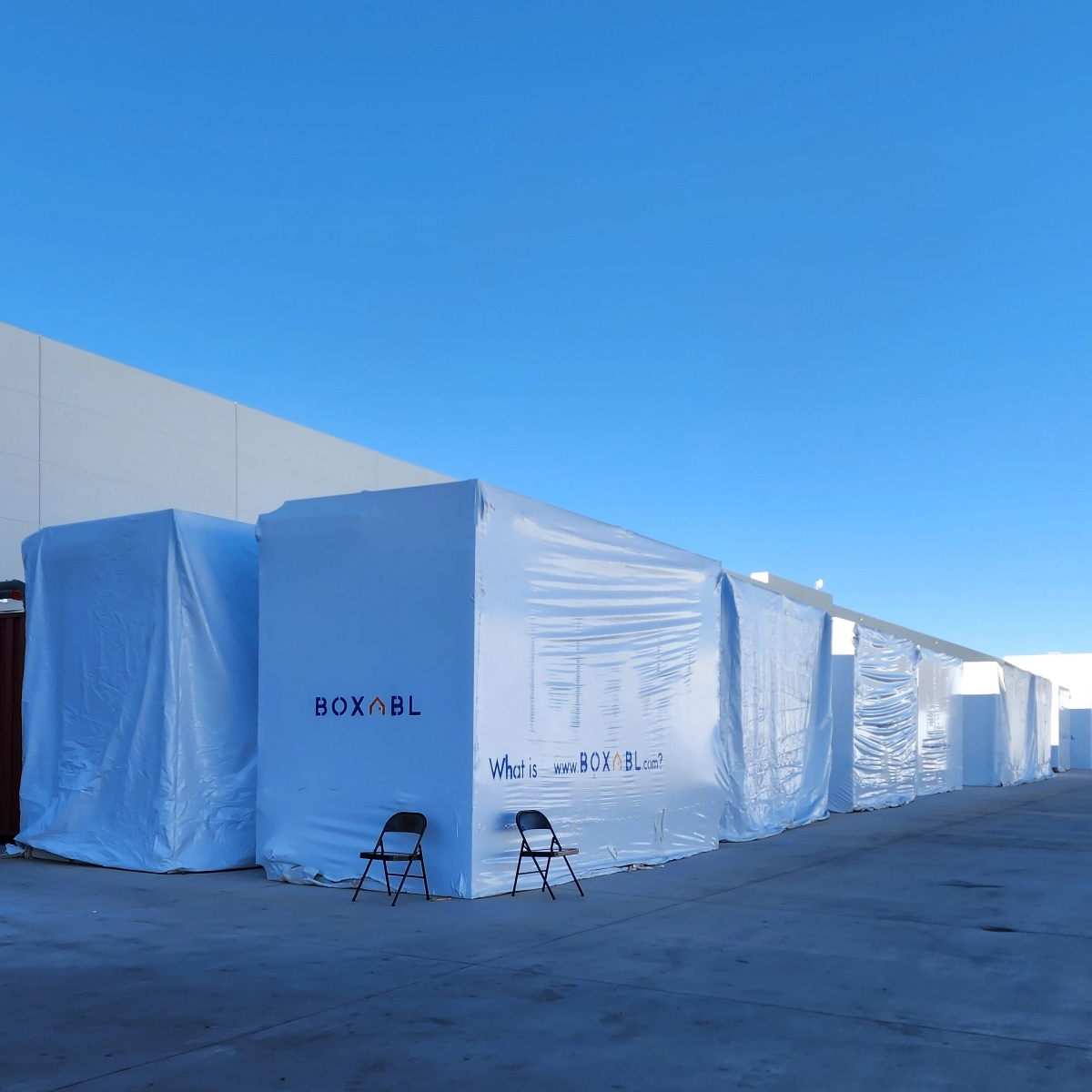
Export shipments face unique challenges that domestic logistics do not. Ocean freight exposes goods to salt spray, humidity, and rough handling. Container shipping involves temperature swings from freezing to scorching. Long-distance freight means multiple transfers across different climates and handling environments. Choosing the right heat shrink wrap for export shipments is essential for ensuring products arrive at their destination in good condition.
Standard packaging materials designed for warehouse storage or local delivery often fail during international shipping. The extended transit times, varied climates, and multiple handling points create risks that demand superior protection.
Heat shrink wrap for export applications must provide complete moisture barriers to prevent humidity damage. They must resist tearing during rough handling at ports and warehouses. They should maintain their protective properties through temperature extremes. For many export shipments, additional features such as UV resistance and corrosion inhibition are also necessary.
Selecting heat shrink wrap suitable for long-distance freight requires evaluating the specific hazards of your shipping route, the value of your products, and the storage conditions at destination.
Moisture is the primary threat to many export shipments. Ocean containers experience high humidity, and condensation can form inside packaging during temperature changes. Quality heat shrink wrap for export shipments provides a complete water barrier, preventing moisture from reaching the products inside.
Look for film with low moisture vapor transmission rates. Multi-layer films generally offer better moisture barriers than single-layer options. For electronics, metals, or food products, an airtight seal is essential.
Export shipments are handled multiple times—loaded onto trucks, moved through warehouses, stacked in containers, unloaded at ports, and transferred to final delivery vehicles. Each handling point presents opportunities for tears or punctures.
Heat shrink wrap suitable for long-distance freight should have excellent tear resistance. Reinforced films with scrim layers provide omni-directional tear resistance, meaning a small puncture will not propagate into a large tear. For shipments with sharp edges or heavy weight, consider multi-layer reinforced heat shrink bags rather than standard rolls.
Export shipments often sit in holding yards or on docks for extended periods. Direct sunlight degrades ordinary plastic films, causing them to become brittle and crack. Heat shrink wrap for export should include UV inhibitors to prevent this degradation.
Quality UV-protected films maintain their integrity for 6 to 12 months of continuous sun exposure. Ask your supplier about expected UV resistance duration for your specific shipping route and expected exposure time.
Certain export shipments—particularly those involving machinery, electronics, or construction materials—may require Flame Retardant Shrink Wrap to meet shipping regulations or customer specifications. Flame Retardant Shrink Wrap is certified to standards such as DIN4102-1 B1 and NFPA 701, ensuring it self-extinguishes within seconds of ignition.
For shipments to regions with strict fire safety regulations, or for products that will be stored in environments with fire risk, flame retardant protection is essential.
Metal products shipped overseas face corrosion risks from humidity and salt air. VCI (vapor corrosion inhibitor) shrink wrap releases chemicals that form a protective layer on metal surfaces, preventing rust without the need for oils or coatings.
For automotive parts, machinery components, tools, or any metal products, heat shrink wrap for export shipments with VCI technology provides valuable protection.
Exporting vehicles—cars, trucks, agricultural equipment, or construction machinery—requires Vehicle Wrapping solutions that protect against scratches, UV damage, and environmental pollutants during ocean transit. Vehicle Wrapping with heat shrink film creates a seamless, custom-fit protective layer that shields the entire vehicle surface.
For vehicle exports, look for heat shrink wrap for export that is thick enough to resist punctures from road debris during loading and unloading. Clear film allows for visual inspection without unwrapping.
Boat heat shrink wrap is a specialized category for marine exports. Boats shipped overseas are exposed to salt spray, high humidity, and potential impacts during loading. Boat heat shrink wrap must be thick, UV-stabilized, and resistant to tearing from masts, railings, and other protrusions.
Many marine exporters use reinforced boat heat shrink wrap with scrim layers for added strength. The wrap should completely seal the vessel, preventing moisture from reaching interior spaces where mold could develop.
Prefabricated building components and modular homes are increasingly exported internationally. These high-value, oversized shipments require heat shrink wrap for export that is custom-fit to each module. Tailored non-woven reinforced heat shrink wrap is specifically designed for modular houses, providing the durability needed for long-distance freight.
Heavy machinery and industrial equipment exports demand the strongest available protection. Multi-layer reinforced heat shrink bags with integrated UV shielding, flame retardancy, and VCI rust-proofing protect high-value equipment during storage and transit. These bags can be custom-sized to fit irregular shapes.
Packaging Method | Moisture Protection | Tear Resistance | UV Protection | Best For |
|---|---|---|---|---|
Standard stretch film | Poor | Low | None | Local pallets only |
Standard shrink wrap | Good | Moderate | Optional | Domestic shipping |
Reinforced shrink wrap | Excellent | High | Yes | Export shipments |
VCI shrink wrap | Excellent | High | Yes | Metal products export |
Flame retardant shrink wrap | Excellent | High | Yes | High-risk cargo |
Non-woven reinforced wrap | Excellent | Very high | Yes | Modular homes, large equipment |
Thickness | Best Application | Export Suitability |
|---|---|---|
6-8 mil | Light products, short sea routes | Limited |
8-10 mil | Standard export pallets | Good |
10-12 mil | Heavy machinery, ocean freight | Better |
12-14 mil | High-value equipment, rough handling | Best |
14+ mil | Extreme conditions, sharp-edged items | Premium |
For most heat shrink wrap for export shipments, 10 to 12 mil thickness provides the right balance of protection and cost. For high-value items or rough handling routes, 12 to 14 mil is recommended.
Verify that your heat shrink wrap for export supplier provides documentation for relevant standards. For flame retardant products, look for DIN4102-1 B1 and NFPA 701 compliance. For general quality, ISO 9001 certification indicates established quality management systems.
Export shipments often have irregular dimensions or specific requirements. A capable supplier should offer Custom industrial heat shrink wrap with flexible sizing, custom colors, and integrated protective features. Low minimum order quantities allow testing before large commitments.
Choose a supplier with proven experience serving export customers. ECOPACK, established in 2000, manufactures heat shrink wrap for export shipments for clients worldwide, with products sold to over 40 countries across Europe, South America, the Middle East, and Southeast Asia.
Use corner protectors on all sharp edges to prevent punctures during shrinking and handling.
Ensure complete sealing at all seams and openings. Any gap allows moisture entry.
Apply adequate overlap when using multiple sheets to cover large items.
Add desiccant packs inside the wrap for sensitive products to absorb any residual moisture.
Label clearly over the shrink wrap, not underneath where it cannot be seen.
Inspect before shipping – check for any tears, thin spots, or incomplete seals.
Q1: What thickness of heat shrink wrap is best for ocean freight exports?
For most ocean freight exports, 10 to 12 mil reinforced shrink wrap provides optimal protection against moisture, tearing, and rough handling.
Q2: Can I use the same heat shrink wrap for vehicles and machinery exports?
Yes, but vehicle wrapping may require clearer film for identification, while machinery benefits from reinforced wrap with VCI corrosion protection.
Q3: Is flame retardant shrink wrap required for all export shipments?
No, flame retardant wrap is only required for specific cargo types or destinations with strict fire safety regulations, but it is recommended for high-risk environments.
Selecting the right heat shrink wrap for export shipments requires evaluating moisture barriers, tear resistance, UV protection, and specialized features such as flame retardancy or VCI corrosion inhibition. Vehicle wrapping, boat heat shrink wrap, and modular construction exports each have unique requirements. Heat shrink wrap suitable for long-distance freight from an experienced manufacturer ensures your products arrive safely at their international destination. ECOPACK, established in 2000, manufactures reinforced, flame retardant, and VCI heat shrink wrap for export with custom sizing and low minimum order quantities. Contact ECOPACK today to discuss your export packaging requirements and request samples for testing.


