
Views: 0 Author: Site Editor Publish Time: 2026-09-17 Origin: Site


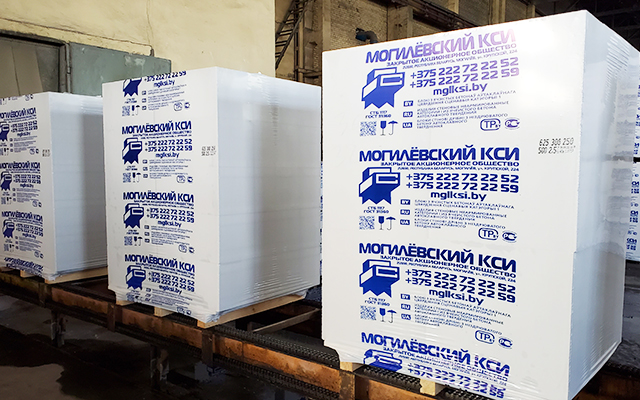
Outdoor pallet storage saves indoor space, but it also places the load in a harder environment. Sunlight can weaken ordinary film. Rain may enter through uncovered areas, while wind and repeated handling can make an unstable pallet shift.
Using stretch hood film for outdoor storage can help control these risks. The hood covers the top and sides, while elastic recovery creates holding force around the pallet. However, not every stretch hood is made for long periods outside. Film formulation, load fit and application settings all affect the result.
Before choosing an outdoor pallet cover, buyers need to look at two goals together: weather protection and load stability.
A loose sheet may keep light rain off a pallet, but it does little to stabilize the products. It can lift in wind, rub against corners and leave paths for dust or water.
Outdoor pallet protection must deal with several risks at the same time:
Sunlight: UV radiation can make untreated film weaker and more brittle over time.
Rain and moisture: Water may collect on the top or enter through gaps around the load.
Wind: Airflow can pull at loose film and increase pressure on an already unstable pallet.
Temperature changes: Hot days and cooler nights can affect the film and moisture inside the package.
Handling: Forklifts, stacking and truck movement can stretch or puncture film around corners.
Dust and dirt: Open yards often expose products to soil, road dust and industrial particles.
A weather resistant pallet hood needs enough strength for the load and enough protection for the storage period. UV-resistant film can still fail if it is too thin for a sharp load, while thick film can still age early if it is not made for sunlight.
Polyethylene film can lose strength in direct sunlight. UV exposure may lead to fading, surface cracks, loss of stretch or tearing. UV stabilizers slow this process and help the film keep its useful properties outdoors.
This does not mean that every UV-resistant stretch hood film has the same outdoor life. Performance can change with:
The amount and type of UV stabilizer
Local sunlight intensity and season
Storage time
Film thickness and color
Heat reflected from the ground or nearby surfaces
Contact with chemicals, oils or other materials
Stretch level and stress around pallet corners
“UV resistant” is not a complete specification. Tell the stretch hood film supplier whether the pallet will remain outside for weeks, months or longer so the formulation can be matched to the exposure.
Clear film helps workers inspect goods and scan labels. Tinted or opaque film can add privacy and identify different loads. ECOPACK offers colored pallet stretch hood film with customized logos for identification or branding. Color alone does not prove UV stability.
Stretch hood film is a tube with one sealed end. A machine opens and stretches the hood, pulls it over the pallet and releases it. Elastic recovery then creates tension around the load.
This design supports outdoor use in several ways.
The sealed top helps keep rain and dust away, while the film continues down the sides for more complete coverage.
The bottom still needs attention. If the hood is too short or sits too high, wind-driven rain may reach the products. Calculate hood length from the full loaded height, not only the product height.
Elastic recovery creates horizontal and vertical holding force. This helps keep cartons, bags, bottles or building materials together during yard handling and transport.
The force must match the products. A setting for bricks may be too strong for weak cartons. Film also behaves differently on bags, uneven layers or projecting corners. Outdoor wind makes good load containment even more important.
A small corner puncture can grow as wind moves the film or the pallet is lifted.
Multilayer film helps balance stretch, recovery and puncture resistance. ECOPACK’s pallet stretch hood film uses five-layer co-extruded LLDPE for heat-free automatic application. Suitable machine settings also reduce stress during hooding.
The right specification depends on what the pallet will face after it leaves the packaging line.
Outdoor risk | What to check in the stretch hood film | Why it matters |
|---|---|---|
Direct sunlight | UV-stabilized formulation and expected exposure period | Helps slow film aging and loss of strength |
Rain | Sealed top, correct hood length and good base coverage | Reduces paths for water to reach the load |
Wind | Film recovery, load stability and secure lower fit | Limits loose areas that can flap or lift |
Sharp corners | Puncture resistance, thickness and corner protection | Reduces holes that may grow during handling |
Heavy loads | Film strength and stable pallet pattern | Helps keep layers together during movement |
Weak cartons or bags | Controlled holding force and machine settings | Avoids crushing or changing the load shape |
Labels and barcodes | Clear film and suitable surface quality | Supports scanning without opening the package |
Privacy or branding | Tinted, opaque or printed film | Hides the load or improves identification |
ECOPACK’s pallet stretch hood range includes clear, tinted, UV-stable and printed options. The listed structures range from three to seven layers, with five-layer film as a common choice. Available thicknesses range from 50 to 150 microns for different load weights and handling conditions.
These figures are a starting range. Useful thickness depends on load weight, corners, stretch level, outdoor time and handling risk.
Strong film cannot repair a poorly built pallet. Wind and rain can make an existing stability problem worse.
Start with a stable pallet pattern:
Place heavier products at the bottom.
Avoid large gaps between cartons, bags or containers.
Keep the load centered over the pallet.
Do not allow products to hang far beyond the pallet edge.
Use corner boards, slip sheets or straps when the load needs extra support.
Replace damaged pallets before packaging.
Test the film and machine settings with the real load. Width, gusset depth and hood length affect fit. Stretch level controls holding force, while thickness and structure affect puncture resistance and recovery.
A trial should include forklift movement, stacking and the vibration or braking expected during transport.
The best color depends on how the pallet will be handled.
Clear film supports product inspection, label reading and barcode scanning when traceability matters more than privacy.
Tinted or opaque film can hide products or separate batches. Printed film can carry a logo, handling message or identification mark.
Ink adhesion, stretch and UV exposure can affect printed film. Test a printed sample at the same stretch level used on the line before bulk production.
Standard indoor film may look the same as UV-stable film when new. Ask for the outdoor specification instead of judging by appearance.
Corner shape, pallet height and handling may create more stress than weight alone. A tall load with sharp edges may need different film from a low, smooth pallet of the same weight.
A covered top does not guarantee full moisture protection. Check hood length, the pallet base and handling damage.
More tension is not always better. Excessive stretch can thin the film around corners, increase puncture risk or crush softer products.
An indoor machine test does not show how film behaves after sun, rain and temperature changes. When possible, expose a test pallet under conditions close to real storage.
For a useful recommendation, give the stretch hood film supplier more than pallet width and length:
Minimum and maximum loaded height
Total weight and how the weight is distributed
Product type and pallet pattern
Photos showing corners, gaps and projections
Expected outdoor storage time and location
Direct sun, rain, wind and temperature conditions
Handling, stacking and transport methods
Stretch hood machine model and target line speed
Need for clear, colored, opaque or printed film
Barcode visibility and load privacy requirements
ECOPACK is an industrial packaging manufacturer providing custom stretch hood film for different pallets, outdoor conditions and automatic machines. Buyers can compare other pallet wrap solutions when a load also needs straps or another form of support.
Before a bulk order, contact ECOPACK with a loaded-pallet photo and machine details. A sample and line test can confirm fit, stretch, label visibility and corner performance.
Reliable stretch hood film for outdoor storage must do more than cover a pallet. It needs to resist sunlight for the planned exposure period, keep rain and dust away from the load, tolerate handling and maintain enough force to hold the products together.
UV stability, thickness, layer structure and color all matter, but they must be matched to the pallet shape and packaging machine. The best results come from combining a stable load pattern, the right film specification and tested machine settings.
For long-term outdoor pallet protection, give the supplier clear information about sunlight, weather, storage time and handling. Then test the completed pallet under conditions that are close to real use.
Yes. Stretch hood film for outdoor storage should be formulated for the expected exposure period and have enough length, puncture resistance and holding force for the load.
UV stabilizers slow the damage that sunlight can cause to polyethylene film. They help the film retain strength and flexibility for longer, but the actual outdoor life depends on the formulation, climate, thickness and exposure.
No. Extra thickness may improve mechanical strength, but it does not replace UV stabilization or correct sizing. An oversized or poorly applied hood can still fail even when the film is thick.
It can provide strong protection from rain when the top is sealed and the hood fits correctly. Full protection still depends on base coverage, punctures, pallet design and application quality.
Common examples include bricks, cement bags, boards, bottled products, chemicals, plastic pellets, appliances and other palletized industrial goods. The film specification should be selected for the exact load and storage conditions.

