
Views: 0 Author: Site Editor Publish Time: 2025-10-27 Origin: Site


Gauge measurements play a critical role in industries like manufacturing and construction. Whether dealing with steel or aluminum, understanding gauge thickness ensures precision and efficiency. In this article, we’ll explain how to use the Gauge Thickness Conversion Chart and its importance for various materials. You’ll also learn how film thickness relates to gauge measurements and why it matters in applications like packaging and coatings.
The gauge system is a non-metric way to measure the thickness of metal materials. It has its origins in the British wire industry, where it was first used to measure wire diameters. The gauge number refers to the thickness of the material, but interestingly, it does not follow a direct linear relationship. For instance, in the case of sheet metal, lower gauge numbers indicate thicker materials, while higher numbers represent thinner materials. Understanding how the gauge system works is key to ensuring you select the right material for your project.
The gauge number is not directly proportional to the material's actual thickness. Different materials, such as steel, aluminum, and brass, can have varying thicknesses even at the same gauge number. For example, an 18 gauge steel sheet might measure 0.0478 inches thick, while 18 gauge aluminum is 0.0403 inches thick. This variation makes it essential to use a gauge thickness conversion chart to accurately assess and select the material thickness you need for your specific application.
Inaccurate gauge measurements can have a significant impact on manufacturing and safety. For instance, in construction and automotive industries, an incorrect material thickness can lead to structural issues, improper fitment, and even safety hazards. Having the correct gauge ensures that materials are strong enough to support the load, endure environmental conditions, and perform as required by the design specifications.

A gauge thickness conversion chart is organized by gauge number, followed by the corresponding thickness in inches and millimeters for different materials. Common materials, like mild steel, aluminum, stainless steel, and others, each have their specific chart. Understanding how these materials compare at each gauge is essential when selecting the appropriate material for your project.
For example, in mild steel, 16 gauge corresponds to 0.0598 inches (1.518 mm), but the same gauge number in aluminum will give you 0.0508 inches (1.291 mm). By referring to these charts, you can easily convert gauge numbers to the actual thickness needed for your design or fabrication work.
The material you are working with affects the thickness of the material even at the same gauge. For instance, while 18 gauge steel may have a thickness of 0.0478 inches, aluminum of the same gauge will be thinner at 0.0403 inches. This difference arises because materials have different densities and structural properties. When selecting materials for applications, understanding this variation ensures that you are choosing the right gauge for the required strength, weight, and durability.
One common mistake when using gauge thickness conversion charts is confusing the gauge number with actual measurements. The gauge number is not directly related to thickness in a linear manner across materials, so it’s crucial to double-check the thickness in inches or millimeters. Another mistake is not accounting for material-specific variations. Always use the appropriate chart for each material to ensure that your measurements are accurate.
In mild steel, the gauge thickness conversion chart is essential in industries like construction and heavy machinery. For instance, 10 gauge steel is 0.1345 inches (3.416 mm) thick. Mild steel’s strength and cost-effectiveness make it a popular choice for structural applications. However, it’s important to note that the actual thickness of mild steel can vary depending on the manufacturer’s tolerance.
When dealing with aluminum, the thickness at each gauge varies significantly compared to other metals. For example, 12 gauge aluminum measures 0.08081 inches (2.053 mm). Aluminum is widely used in aerospace, automotive, and electronics industries due to its lightweight nature and high resistance to corrosion. Understanding the exact gauge and thickness ensures that the material will perform adequately under pressure or weight loads.
For stainless steel, which is used in applications requiring durability and corrosion resistance, the thickness conversion is different from both mild steel and aluminum. For example, 18 gauge stainless steel measures 0.0500 inches (1.270 mm), making it suitable for environments exposed to moisture and harsh conditions. Materials like brass and copper also have unique conversion charts that should be consulted when selecting the correct material for your project.
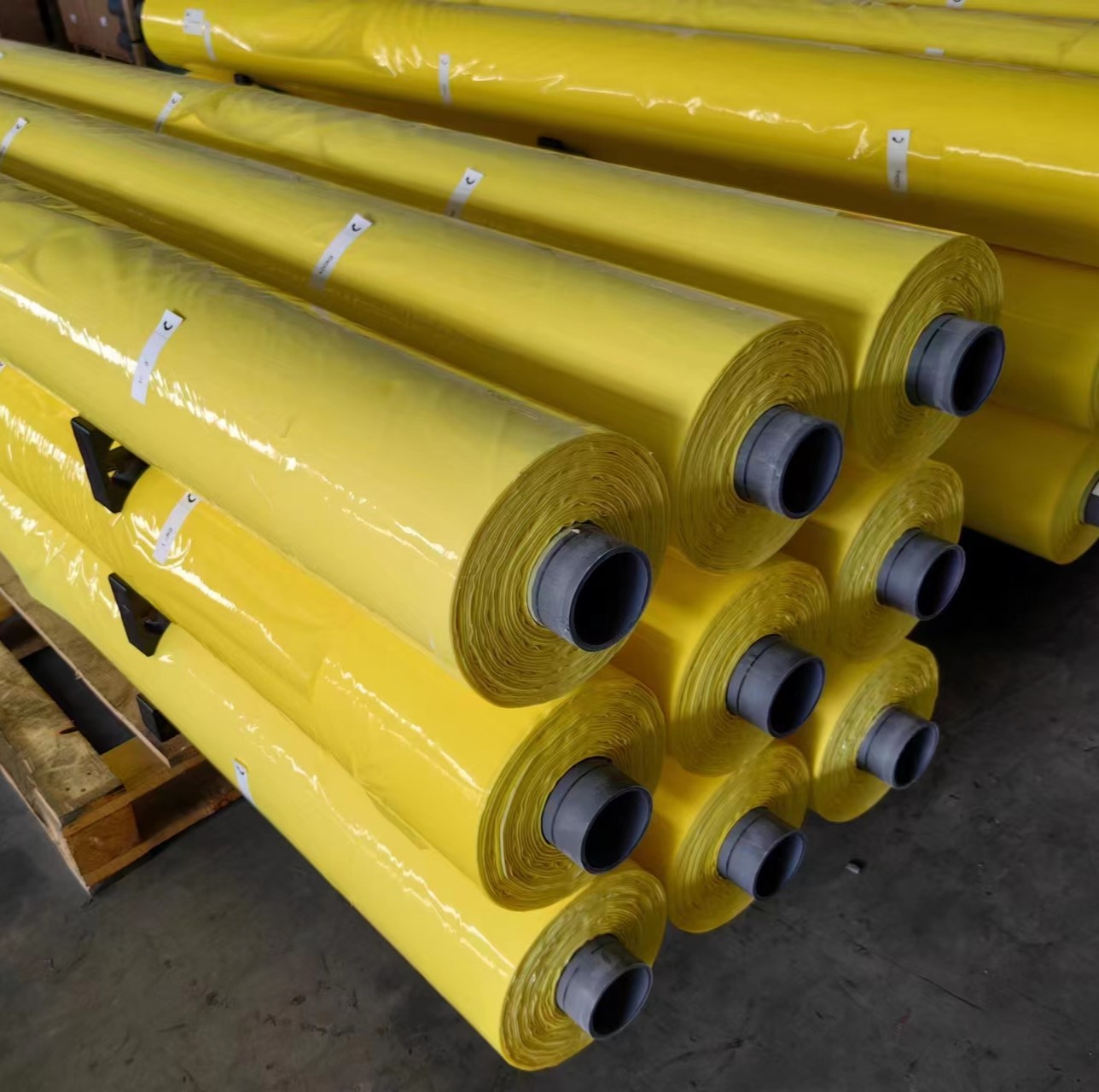
Film thickness refers to the thickness of coatings or thin layers of material, such as paints, films, or metal coatings applied to a substrate. When working with sheet metal, understanding film thickness is crucial for industries like packaging, electronics, and automotive. For instance, coatings on steel or aluminum may affect the material’s overall thickness and performance. Using the right gauge ensures that the material and its coating function as intended.
In practical applications, the relationship between gauge thickness and film thickness can influence both the appearance and performance of the material. For example, a thinner gauge sheet metal may be more susceptible to damage or wear when coated with film materials. Knowing the correct gauge allows professionals to apply the right thickness of coatings, ensuring durability and compliance with industry standards.
In industries such as packaging and electronics, accurate film thickness is essential for achieving the desired properties, like flexibility or conductivity. For instance, a packaging material with the wrong film thickness can either tear too easily or fail to protect the contents properly. Similarly, in electronics, the thickness of metal coatings can impact the conductivity and longevity of the components.
| Material | Gauge Number | Thickness (Inches) | Thickness (Millimeters) | Film Thickness Consideration |
|---|---|---|---|---|
| Mild Steel | 18 | 0.0478 | 1.214 | Consider how film thickness impacts coating durability. |
| Aluminum | 18 | 0.0403 | 1.024 | Thinner gauge allows for more flexible coatings. |
| Stainless Steel | 18 | 0.0500 | 1.270 | Film thickness affects corrosion resistance. |
| Copper | 18 | 0.0490 | 1.245 | Film thickness is crucial for electrical conductivity. |
| Brass | 18 | 0.0403 | 1.024 | Ensure correct gauge for film thickness in coatings. |
| Galvanized Steel | 18 | 0.0516 | 1.310 | Film thickness should be considered for rust protection. |
When working with gauge measurements, it's important to consider that variations in tolerance can affect the final dimensions. Manufacturing defects, equipment malfunctions, or inconsistent production methods can result in slight deviations from the specified gauge. These discrepancies can lead to challenges in meeting project specifications, especially in industries where precision is critical.
The confusion between standard gauge and metric measurements is another challenge. Many gauge charts use imperial measurements (inches), while others are in metric (millimeters). This discrepancy can cause errors when selecting materials, especially for international projects. Using a gauge conversion chart that includes both measurement systems is a practical solution to avoid these issues.
For professionals, it is essential to double-check gauge measurements during the ordering process. Make sure to verify the material type and thickness, as these can vary by manufacturer. Furthermore, understanding the precise application will help you select the optimal gauge and thickness, reducing waste and ensuring the material meets all performance requirements.
In sheet metal fabrication, selecting the correct gauge is crucial for ensuring that materials are strong enough for structural components, automotive parts, or architectural elements. For example, 12 gauge steel is often used in automotive parts for its balance of strength and cost. Choosing the wrong gauge can compromise the material’s performance and lead to costly repairs or failures.
For custom metal projects, understanding the correct gauge is essential when welding, cutting, or bending sheet metal. For instance, thicker materials may be more challenging to bend but will provide greater strength and durability. On the other hand, thinner materials are easier to handle but may not be suitable for high-stress applications.
Choosing the right gauge thickness can help optimize material costs by reducing waste and ensuring that the material is suitable for its intended use. Using a gauge conversion chart allows professionals to make informed decisions based on strength, weight, and cost, ensuring that the project stays within budget while meeting performance requirements.
Understanding gauge thickness and using the Gauge Thickness Conversion Chart is vital across industries like construction and metal fabrication. Selecting the right material thickness ensures quality, precision, and safety in manufacturing. Always verify the measurements to avoid costly mistakes. When choosing materials, Ecopack provides durable solutions for packaging that enhance the efficiency and safety of your projects, offering high-quality options that align with your specific needs.
A: A gauge thickness conversion chart helps you determine the actual thickness of materials based on their gauge number. It provides measurements in both inches and millimeters for various materials like steel, aluminum, and copper.
A: Film thickness refers to the thickness of coatings or layers applied to a material. Understanding gauge thickness is important when considering how the film will impact the overall material performance, especially in applications like packaging or electronics.
A: Gauge thicknesses differ because materials have different densities and properties. For instance, 18 gauge steel is thicker than 18 gauge aluminum. Always refer to material-specific charts to ensure accurate measurements.
A: Double-check the material type and ensure you're using the correct chart for that material. Misreading the gauge number or using the wrong material chart can lead to incorrect thickness selections.
A: Using a gauge thickness conversion chart ensures precise material selection, preventing costly mistakes and ensuring that materials meet design specifications for strength, durability, and performance.


