
Views: 0 Author: Site Editor Publish Time: 2025-10-27 Origin: Site


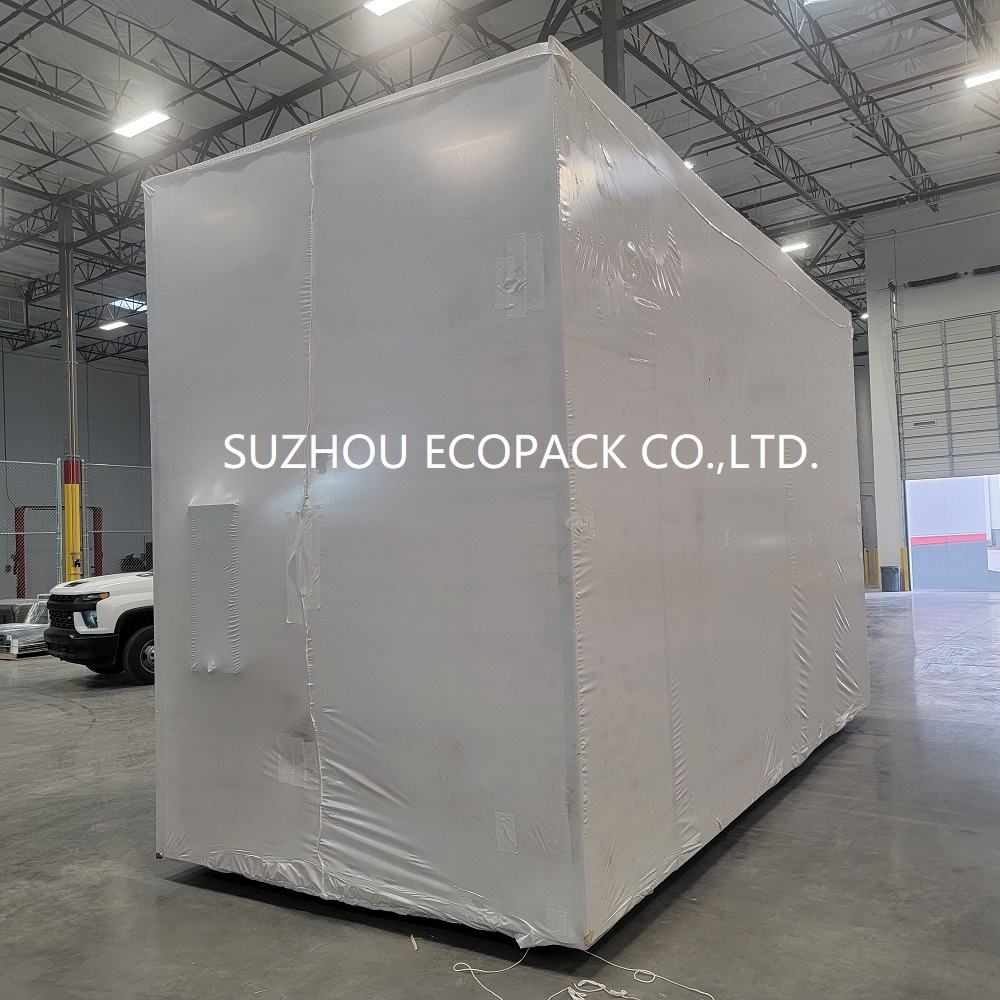
House wrap is a key element in protecting homes from moisture and air infiltration. But is it truly waterproof? Many believe that house wrap offers complete water protection, yet its true capabilities are often misunderstood. In this article, we'll clarify how house wrap works, its water-resistant properties, and why it's vital for modern construction.
House wrap is a synthetic material applied to the exterior of a building, typically beneath the siding. It functions as a weather-resistant barrier, designed to block out moisture and air from the exterior while allowing moisture vapor from within the house to escape. This dual function helps maintain the integrity of the building structure.
Key functions of house wrap include:
Moisture Resistance: Prevents water from penetrating into the walls and foundation.
Air Barrier: Stops unwanted air circulation, improving the building’s energy efficiency.
Thermal Insulation: Adds an extra layer of insulation to help maintain comfortable indoor temperatures.
House wrap works through its unique construction. Most house wraps are made from synthetic materials such as polyethylene or woven fibers. These materials are designed to block liquid water while allowing water vapor to pass through. This helps prevent moisture buildup behind the siding, which can lead to mold, mildew, and rot.
Unlike traditional waterproofing, house wrap is permeable enough to let moisture from the inside of the building escape, thus preventing it from becoming trapped in the walls.
There is a significant difference between water-resistant and waterproof materials. Water-resistant materials, like house wrap, can repel water but will eventually allow it to penetrate if exposed to prolonged or extreme conditions. Waterproof materials, on the other hand, are impervious to water.
House wrap is designed to resist water and protect the structure from moisture, but it is not entirely waterproof. It’s ideal for situations where water may come into contact with the exterior, such as wind-driven rain, but prolonged direct exposure can lead to water seeping through.
One key feature of house wrap is its permeability, which is critical in preventing moisture damage. While house wrap repels bulk water, it also allows vapor to pass through. This allows moisture trapped inside the home to escape, reducing the risk of condensation and preventing mold growth.
A common issue with fully waterproof materials is that they can trap moisture inside the wall cavity, leading to problems like mold and rotting wood. House wrap’s balance of water resistance and permeability helps maintain a healthy, dry home environment.
Protection from Wind-Driven Rain: House wrap provides an extra layer of defense against heavy rain, particularly in areas prone to storms.
Prevention of Water Infiltration: While not completely waterproof, house wrap significantly reduces the amount of water that can enter the wall cavity, protecting the sheathing and interior structure.
Longevity of Siding: House wrap helps maintain the lifespan of siding by protecting it from water damage, which can lead to premature aging or decay.
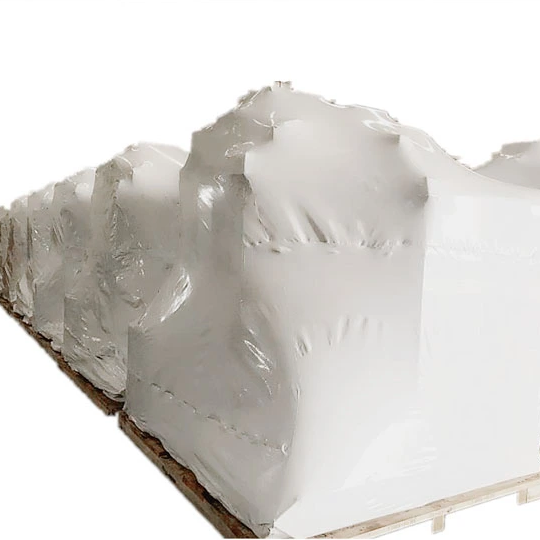
Several types of house wrap materials are available, each with varying degrees of water resistance. Some of the most common include:
Tyvek: A well-known brand in the house wrap industry, Tyvek is a highly breathable material that offers excellent moisture resistance. It allows vapor to escape while keeping bulk water at bay.
Blueskin VP100: A self-adhering house wrap, Blueskin is ideal for climates where long-term UV exposure is a concern. Its water-resistant properties are reinforced by its self-sealing features.
HydroGap: Known for its ability to drain bulk water, HydroGap incorporates a unique drainage technology, making it suitable for areas with high rainfall.
Drainable house wraps, like HydroGap, feature a special design that allows water to drain away from the wall assembly. This makes them particularly effective in climates with heavy rainfall, where standard house wraps might allow water to accumulate.
These wraps typically include a gap between the wall and the wrap, which helps water move away from the sheathing. This feature improves the overall performance of the wrap, ensuring that moisture doesn’t get trapped behind the siding.
Self-adhering or peel-and-stick house wraps are gaining popularity due to their ease of installation. These wraps have an adhesive backing that sticks directly to the sheathing, eliminating the need for staples or nails. The self-sealing properties of these wraps ensure that even if they’re punctured during installation, water won’t seep through.
These wraps are particularly useful in locations where minimal exposure to the elements is required before installation, offering a reliable water-resistant barrier.
House wrap is crucial in preventing moisture from entering the wall cavity. Without this barrier, water can seep behind the siding, potentially leading to mold growth, rot, and deterioration of the structure. House wrap ensures that moisture remains on the exterior, where it can be easily dealt with.
It also plays a role in maintaining the air quality inside the home by preventing mold spores and other contaminants from growing within the walls.
House wrap can improve a building's energy efficiency by creating a tighter envelope. By sealing gaps where air might escape or enter, it helps maintain a more stable indoor temperature, reducing heating and cooling costs. While house wrap is not an insulator on its own, its role as an air barrier can significantly enhance the effectiveness of insulation materials.
| Aspect | Details |
|---|---|
| Definition of House Wrap | A synthetic material applied to the exterior of buildings beneath siding, designed to block moisture and air while allowing internal moisture to escape. |
| Main Functions | - Moisture Resistance - Air Barrier - Thermal Insulation |
| Waterproof vs. Water-Resistant | House wrap is water-resistant, not waterproof. It blocks bulk water but is permeable to water vapor, allowing internal moisture to escape. |
| Key Materials | - Tyvek: Breathable, moisture-resistant - Blueskin VP100: Self-adhering, UV resistant - HydroGap: Drainable, ideal for high rainfall areas |
| Types of House Wrap | - Standard (e.g., Tyvek) - Drainable (e.g., HydroGap) - Self-Adhering (e.g., Blueskin VP100) |
| Moisture Protection | Prevents water from seeping into walls, reducing the risk of mold and rot. |
| Energy Efficiency | Helps reduce heating and cooling costs by preventing unwanted air infiltration. |
| Installation Tips | Proper installation is key: ensure seams are sealed and corners are secure to prevent water from entering. |
| Exposure Limitations | Prolonged UV exposure can weaken house wrap. Should be covered with siding or a protective layer during delays. |
| Benefits | - Protection from wind-driven rain - Prevention of water infiltration - Longevity of siding |
To achieve the best performance from house wrap, it’s essential to install it properly. Ensure that seams are tightly overlapped and sealed with tape to prevent water from seeping through. Corners and edges should be carefully sealed to ensure there are no gaps where moisture could enter.
An experienced contractor will ensure that the wrap is applied from the bottom up, and the installation is secure and effective.
While house wrap is durable, it’s not designed to be exposed to the elements for extended periods. Prolonged UV exposure can weaken the material, making it more susceptible to damage. Ideally, house wrap should be covered with siding as soon as possible during the construction process.
If you anticipate a delay in completing the exterior, consider using a UV-resistant house wrap or covering the exposed areas with a temporary protective layer.
House wrap is essential in modern construction, providing excellent moisture and air protection. While water-resistant, it is not entirely waterproof. Its permeability helps moisture escape, preventing mold and rot. Combining house wrap with other weatherproofing measures ensures comprehensive protection. Ecopack offers high-quality, durable house wrap solutions that enhance your home's efficiency and durability, ensuring long-lasting protection in varying climates.
A: No, house wrap is water-resistant but not fully waterproof. It blocks bulk water but allows vapor to escape, preventing moisture buildup.
A: House wrap acts as a moisture and air barrier, preventing water infiltration while allowing internal moisture to escape, reducing mold and rot risks.
A: House wrap helps improve energy efficiency by preventing unwanted air leaks, which reduces heating and cooling costs.
A: Yes, house wrap is suitable for most climates, but it's important to choose the right type based on local weather conditions and UV exposure.


