
Views: 0 Author: Site Editor Publish Time: 2026-09-16 Origin: Site


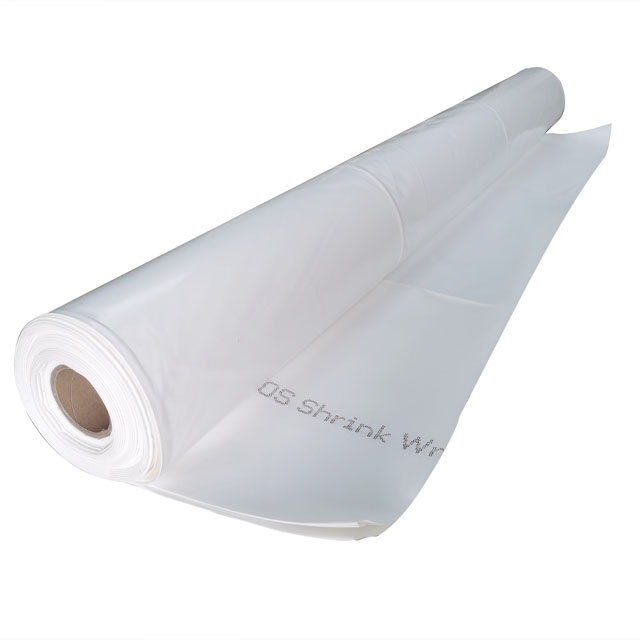
Shrink hood and stretch hood packaging may look similar after they are placed over a pallet. Both use a tube-shaped film to cover and stabilize the load. The important difference is how each hood becomes tight.
A shrink hood contracts around the load when heat is applied. A stretch hood is pulled wider by a machine, placed over the pallet and then released. Its elastic recovery force holds the products together without heat.
This affects the equipment you need, the loads you can handle and the way the package performs. A practical shrink hood vs stretch hood decision should begin with the pallet, not with the film price alone.
Shrink hood packaging uses a preformed heat-shrinkable film hood. The loose hood is placed over the pallet load, and controlled heat is applied. As the film shrinks, it follows the shape of the load and forms a close outer cover.
This method is useful when a pallet needs full coverage and a firm fit. With a suitable shrink ratio, the film can also follow loads that are not perfectly square.
The process requires a heat gun, shrink frame or automated shrink system. The film specification and heat control affect the result. Too little heat may leave loose areas, while uneven or excessive heat may weaken the film or affect heat-sensitive goods.
ECOPACK’s five-layer pallet shrink hood is made for logistics and distribution applications. It uses a multilayer PE structure, including UV protection, a puncture-resistant layer and an inner sealing layer. Custom sizes are available for different pallet dimensions and load profiles.
Stretch hood packaging also uses a tubular hood, but it does not need heat. A stretch hood machine gathers the film, opens it to the required width and pulls it over the pallet. When the film is released, it tries to return to its original size. This recovery force creates tension around the load.
The result is a smooth cover that helps hold products in place and protects them from dust and moisture. Clear film keeps labels and barcodes visible, while UV-stable and tinted options support outdoor storage or load privacy.
ECOPACK’s pallet stretch hood film uses five-layer co-extruded LLDPE and is designed for heat-free application on automatic lines. The wider pallet stretch hood range includes clear, tinted, UV-stable and printed options. Width, gusset depth, hood length and thickness can be adjusted to suit the pallet and machine.
Factor | Shrink hood packaging | Stretch hood packaging |
|---|---|---|
How the film tightens | Heat causes the hood to contract | Elastic recovery creates holding force |
Heat required | Yes | No |
Typical equipment | Heat gun, shrink frame or automated shrink system | Dedicated stretch hood machine |
Fit around the load | Closely follows the load after shrinking | Stretches over the load and maintains tension |
Best suited to | Loads that need a firm heat-shrunk cover, including some irregular profiles | High-volume pallet lines and repeat load sizes |
Load stability | Firm fit when heating and film selection are correct | Strong, even containment when film and machine settings match the load |
Product visibility | Clear and colored options are possible | High-clarity film can support label and barcode scanning |
Energy use | Requires energy for heating | No heating energy during application |
Main process concern | Heat control, shrink balance and safe application | Film stretch, puncture risk and machine compatibility |
Shrink hood packaging has two main stages: placing the hood and applying heat. Speed depends on the equipment, film thickness, pallet size and operator.
Stretch hood packaging uses one automated cycle and removes the heating stage. This suits sites that pack repeat pallet formats throughout the day and need consistent film tension.
Speed should still be checked through a line trial. Buyers should provide their target pallets per hour, pallet dimensions and equipment details before choosing a pallet hood film.
Both methods can stabilize palletized goods, but they manage the load in different ways.
A shrink hood contracts around corners and surface changes. It can fit mixed-height or irregular loads when the hood size and shrink ratio are correct. Sharp corners may need extra protection.
A stretch hood places vertical and horizontal tension around the pallet. It performs well when the load profile is known and the film has enough stretch and recovery. Multilayer film can cover some irregular loads, but large projections, deep gaps or sharp edges may cause uneven stress.
Do not judge load stability only by whether the film looks tight. A trial should check pallet movement during forklift handling, braking, vibration and stacking.
Both types of pallet hood packaging can cover the top and sides of a load. The actual weather barrier depends on the hood design, film thickness, bottom coverage, seams and application quality.
For outdoor storage, ask for UV-stabilized film and state the expected exposure time. Standard clear film should not automatically be treated as a long-term outdoor solution. Moisture-sensitive products may also need an inner barrier or desiccant.
The need for heat is one of the clearest differences in a shrink hood vs stretch hood comparison.
Shrink hood application must be controlled around products that may react to heat, open flames or hot air. The work area also needs suitable safety procedures.
Stretch hood packaging avoids direct heat, which suits heat-sensitive products and busy automated lines. The load must still tolerate the holding force. Weak cartons or soft bags can deform if the film and machine settings are too aggressive.
The lowest price per kilogram does not always give the lowest cost per pallet. Buyers should compare the amount of film used, labor time, energy, equipment, downtime and product damage.
Stretch hood systems can reduce manual work and remove heating energy, but normally require a dedicated machine and stable production volume. Shrink hood equipment ranges from manual tools to automated systems, so costs vary widely.
The best comparison uses actual numbers from the packaging line:
Film weight and cost per finished pallet
Pallets packed per hour
Labor required per shift
Electricity or fuel used for heating
Film breaks, rejected packs and machine stops
Damage during storage and transport
Stretch hood packaging is often a strong option for bricks, cement bags, bottled products, cartons, appliances, chemicals and bagged pellets. These products are often packed in repeat sizes that suit automatic application. A UV-stable formulation can support outdoor storage.
Shrink hood packaging can suit logistics loads, industrial parts and mixed cartons that benefit from a firm, heat-fitted cover. It may also work when the selected film has enough shrink range to follow a changing profile.
Do not choose by industry alone. Pallet height, corner shape, transport route and packing speed can change the better option.
Choose shrink hood packaging when:
You want a firm cover formed by controlled heat shrinking.
Your load shape benefits from film that contracts around its profile.
Heat can be used safely around the product and packing area.
Your present equipment and production speed suit a shrink process.
Choose stretch hood packaging when:
You need fast, repeatable packaging for high pallet volumes.
You want a heat-free application process.
Load stability and clear product visibility are important.
Your pallet dimensions and load profiles work with an automatic stretch hood machine.
You need custom stretch hood film for UV protection, color, printing or special handling conditions.
If neither method fully matches the job, compare other pallet wrap solutions, such as stretch film, reusable wraps or pallet straps. A heavy or unstable load may also need straps, corner protection or slip sheets.
A useful recommendation depends on real packaging details. Before asking a pallet hood film supplier for a quotation, prepare:
Pallet length, width and minimum and maximum load height
Total load weight and weight distribution
Photos or drawings of the loaded pallet
Sharp corners, gaps, projections or unstable layers
Products that may be sensitive to heat or compression
Indoor or outdoor storage time
Transport method and expected handling conditions
Current machine model and target packing speed
Required film color, transparency, UV stability or printing
ECOPACK is an industrial packaging manufacturer that provides pallet hood film in custom sizes and structures. Sharing the load profile allows the supplier to review thickness, stretch or shrink behavior and machine compatibility together. Buyers can contact ECOPACK to discuss a sample and fit test before a bulk order.
The main shrink hood vs stretch hood difference is simple: shrink hood film tightens with heat, while stretch hood film relies on elastic recovery. From that point, the choice affects equipment, line speed, load fit, safety and operating cost.
Shrink hood packaging can create a firm cover around loads suited to controlled heat. Stretch hood packaging is often better for automated, high-volume lines that need containment without heating. The answer depends on pallet shape, storage, transport risk and packing targets.
Test the film on a fully loaded pallet before making a final decision. A successful trial should confirm not only appearance, but also stability, puncture resistance, machine performance and protection after handling.
No. Shrink hood film becomes tight when heat makes it contract. Stretch hood film is stretched over a pallet and uses elastic recovery to hold the load without heat.
Stretch hood packaging is often chosen for high-volume automatic lines because it covers the pallet in one heat-free cycle. Shrink hood packaging can also be automated, but the system must include controlled heating.
Yes, if the selected film is designed for outdoor exposure. Ask about UV stabilization, expected outdoor life, waterproof coverage and the way the hood closes around the pallet base.
It depends on the shape. Shrink hood film can contract around changing profiles, while high-stretch hood film can adapt to many uneven loads without heat. Sharp edges, deep gaps and large projections should be tested before ordering.
Test the hood on a full pallet and check fit, stability, corner stress, punctures, weather coverage and application speed. For stretch hood film, also confirm machine compatibility. For shrink hood film, check heating time and shrink uniformity.

