
Views: 0 Author: Site Editor Publish Time: 2025-10-24 Origin: Site


Shrink wrap rolls are essential for packaging, offering both protection and a professional finish. But with so many options, how do you choose the right one? In this article, we’ll explore the key factors that influence your decision, from material selection to size and thickness. By the end, you’ll know exactly how to pick the best shrink wrap roll for your needs.
Shrink wrap is a plastic film that, when exposed to heat, shrinks tightly around the product it covers. This characteristic provides an effective barrier against contaminants like dust, moisture, and UV rays. It’s widely used for both protective and aesthetic purposes, offering a secure, tamper-proof seal for a variety of items. The film typically comes in rolls, which can be cut to size for specific applications, ensuring a snug fit around the product.
Key characteristics of shrink wrap include:
| Contraction under heat | The film shrinks tightly to conform to the shape of the item. |
| Protection from elements | Shrink wrap shields items from dust, moisture, and UV rays, helping preserve the product. |
| Enhanced presentation | The transparent or semi-transparent nature of many shrink wraps adds a polished, professional look to products. |
Shrink wrap rolls come in several materials, each suited to different packaging needs. Here’s a breakdown of the most common types:
Polyolefin (PO): Known for its strength and clarity, polyolefin is ideal for retail packaging. It’s commonly used for food packaging due to its safety and flexibility.
Polyvinyl Chloride (PVC): Offers excellent clarity and a tight fit, making it suitable for non-food items. However, PVC releases chlorine gas when heated, making it unsuitable for food applications.
Polyethylene (PE): This heavy-duty material is often used for bulk items like pallets. PE shrink wrap is durable and resistant to punctures and tears.
Cross-linked Polyolefin: This variant offers superior strength and clarity, particularly in high-speed applications. It’s often used in automated packaging systems.
Material: Choose polyolefin for retail packaging, PVC for non-food items, and polyethylene for heavy-duty applications.
Thickness (Gauge): Thicker wraps provide better protection but can be more expensive.
Size: Ensure the roll’s dimensions fit the product being wrapped.
The material of your shrink wrap roll will significantly impact the durability and appearance of your packaging. Here’s a deeper look at the top materials:
Polyolefin (PO): A versatile material, polyolefin provides excellent clarity and strength, making it ideal for both retail and industrial uses. It’s resistant to tears and punctures, which makes it great for delicate items or high-speed wrapping operations.
PVC: Known for its crisp, clear finish, PVC is perfect for items that require a professional, tight fit. However, it’s not suitable for food items due to the release of hydrogen chloride during heating, which can affect product safety.
Polyethylene (PE): PE is perfect for large, bulky items. It’s robust and highly durable, which makes it ideal for industrial applications like wrapping pallets and heavy machinery. It offers the best protection in extreme conditions, such as outdoors or in high moisture areas.
The thickness of the shrink wrap roll (often measured in mils or gauge) plays a crucial role in determining its durability. Thicker materials provide better protection but come at a higher cost.
Thin Gauge (1-3 mils): Ideal for lightweight products, like DVDs, books, or small retail items. The thinner material is more economical but offers less resistance to punctures and tears.
Medium Gauge (4-6 mils): Common for packaging items like electronics and fragile products. It offers a good balance between durability and cost.
Heavy Gauge (7+ mils): Best for large items or pallets, providing maximum protection during transit and storage. Heavy-duty wraps are necessary for items with sharp edges or irregular shapes.
Always match the gauge of your shrink wrap roll to the fragility and weight of your product. Overusing heavy-gauge material for light items can lead to unnecessary costs.
Properly sizing your shrink wrap roll ensures it covers the product fully without wastage. Here’s how to choose the right size:
Width: The width of the roll should be wide enough to cover the item completely, including extra space for sealing. For example, a pallet might need a 20-inch wide roll, while smaller items may require a narrower roll.
Length: Length depends on the size and quantity of the items being wrapped. Typically, longer rolls are more economical for high-volume applications.
Thickness: Consider the size and weight of the item being wrapped. A thinner film is adequate for light products, while thicker films are necessary for large or heavy items.
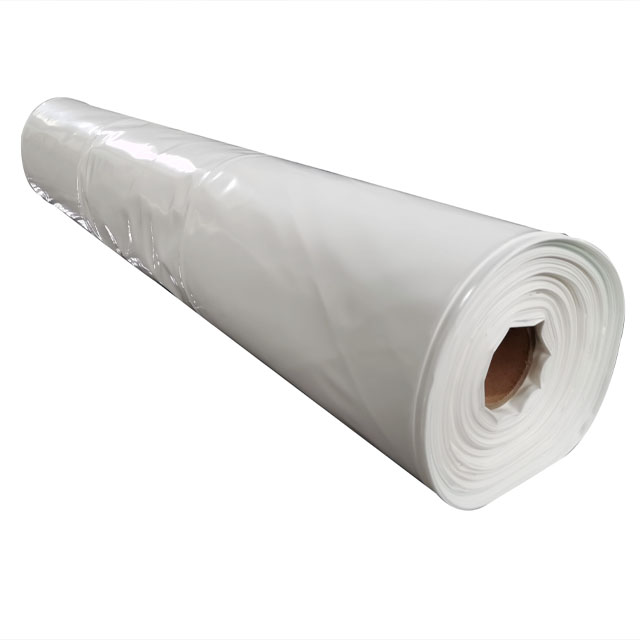
Shrink wrap rolls for pallets are designed to protect items during storage and transit. These rolls can either be stretch films or shrink bags, depending on the requirement.
Stretch Wrap Rolls: Ideal for securing palletized goods, stretch films are stretchable and easy to apply by hand or machine. They provide a tight, protective covering, which prevents the load from shifting during transport.
Pallet Shrink Bag Rolls: These bags are typically made from polyethylene and are used to wrap entire pallets. A propane heat gun is used to shrink the bag, providing extra protection from dust and moisture.
For larger pallets, choose a thicker gauge for durability, while a thinner film can work for smaller, lighter loads.
Marine and construction shrink wrap rolls are specifically designed to protect items exposed to outdoor elements. These rolls are heavier and feature UV inhibitors to prevent sun damage.
Marine Shrink Wrap Rolls: Often used for boats, these rolls are thicker and UV-resistant. They provide protection from harsh weather conditions, preventing water damage, dirt, and UV degradation.
Construction Shrink Wrap Rolls: Used for covering large equipment or building materials, these rolls offer similar protection but are designed to handle the rougher conditions in construction environments.
Always choose a UV-resistant material if the item will be exposed to direct sunlight for extended periods.
Bundling shrink wrap rolls are used to package bottles, cans, and other cases. These rolls come off the spool flat and are often thinner than other types.
Single-Wound Bundling Film: This type of film is ideal for wrapping items like bottles or cans, offering flexibility and ease of use. It’s perfect for low-volume packaging operations.
For bulk packaging, bundling films can help reduce material costs and streamline the wrapping process.
Centerfold shrink wrap rolls are folded in half and are commonly used for retail packaging. This type of shrink wrap can fully enclose a product once sealed, providing a neat, professional look.
Versatility: These rolls are used with I-bar or L-bar sealers and are perfect for packaging items of varying shapes and sizes.
Tip: Centerfold shrink wrap rolls are highly versatile and ideal for retail, commercial, and industrial packaging.
Choosing the right equipment ensures your shrink wrap is applied correctly and efficiently. For smaller operations, hand wrapping may suffice, but for high-volume production, you’ll need machines that can apply the film quickly and uniformly.
Hand Wrap: Ideal for low-volume applications. No equipment is needed, but a stretch wrap dispenser may help improve efficiency.
Shrink Wrap Machines: For larger operations, a stretch wrap machine or heat sealer will optimize the wrapping process. These machines reduce material waste and improve packaging consistency.
The size of the shrink wrap roll must be compatible with your wrapping equipment. Ensure the machine can handle the roll’s width and thickness to avoid machine jams or poor film application.
Always verify that your shrink wrap machine can accommodate the material you choose to ensure smooth, efficient operation.
Choosing the wrong gauge can lead to either overpaying for material that’s too thick or under-protecting products with a film that’s too thin. Always match the thickness to the product’s fragility and transport conditions.
When in doubt, opt for a medium thickness film to strike a balance between cost and durability.
Environmental conditions like temperature, humidity, and UV exposure can affect the performance of your shrink wrap. Ensure that the material you select is suited for the conditions your products will face during storage or transit.
For outdoor storage, always choose a shrink wrap material with UV inhibitors to protect items from sun damage.
Ensure that the shrink wrap rolls you select are compatible with your existing equipment. Misalignment between material size and machine specifications can lead to inefficiencies or equipment damage.
Always check the compatibility of the shrink wrap with your machinery to avoid costly downtime and material wastage.
Selecting the right shrink wrap roll is crucial for ensuring product safety and presentation. By considering factors like material type, thickness, size, and equipment, you can make informed choices that improve efficiency and reduce costs. Whether you're wrapping pallets or retail products, the right shrink wrap guarantees protection and professionalism. For expert advice and tailored solutions, consider consulting with companies like ECOPACK, which offers high-quality shrink wrap products designed to meet your specific needs.
A: A shrink wrap roll is a plastic film used to tightly cover products. When heat is applied, it shrinks, providing protection from moisture, dust, and UV rays.
A: To choose the right shrink wrap roll, consider the material type, thickness, size, and the equipment you will use. Match these factors to your product's needs for optimal protection.
A: Yes, shrink wrap rolls are commonly used for wrapping pallets. Stretch films and pallet shrink bags protect goods from external elements during storage and transport.
A: Material selection impacts durability and clarity. Polyolefin is strong and clear, ideal for retail products, while polyethylene is better for heavy-duty packaging like pallets.
A: Avoid using the wrong thickness and material for your product's needs. Also, ensure compatibility with your equipment to avoid inefficiencies and waste.


