
Views: 0 Author: Site Editor Publish Time: 2026-04-14 Origin: Site


Are your shipments arriving damaged or secure? While many default to basic wrapping, heat shrink wrap provides superior protection for industrial shipping. It creates a powerful, tamper-resistant barrier against moisture and dust. In this guide, you will learn the "Bottom-Up" method for maximum stability.
● The Bottom-Up Strategy: High-stability wrapping relies on starting heat application at the pallet base to create a secure anchor before moving upward.
● Material Selection: Use heavy-gauge polyethylene (minimum 3 mil) for irregular or heavy-duty industrial loads to prevent punctures.
● Structural Preparation: Load stability is improved by stacking cartons evenly without overhang and utilizing corner boards for edge protection.
● Safety Distances: Operators must maintain a consistent distance of 12–18 inches with the heat source to prevent film scorching or "burn spots".
● Moisture and Dust Defense: Unlike stretch wrap, heat shrink wrap provides a tamper-resistant barrier ideal for moisture protection and outdoor storage.
● Operational Maintenance: Regularly servicing equipment and calibrating pre-stretch settings prevents thousands of dollars in peak-season downtime.
Mastering the heat shrink wrap process requires precision and a repeatable workflow. It is not just about applying heat; it is about creating a unified structure between the product and the pallet.
Successful wrapping begins before you even touch the film. You must start with a sound pallet that has no broken boards. We recommend stacking cartons evenly with no overhang, as protruding edges create weak points in the film. Always place heavier items at the base to lower the center of gravity and prevent tipping. To protect fragile edges and prevent the film from puncturing, use corner boards or edge protectors. If your goal is a water-shedding surface, add a top cap before applying the wrap.
Choose the right format based on your volume: shrink hoods, bags, or center-fold sheeting. Pull the film over the load so it drapes evenly on all sides. It is vital that the film reaches below the top deck of the pallet; this allows it to create a mechanical anchor once heated. Before you begin the heating process, make small vent holes near the top to let trapped air escape, ensuring a tight finish.
Keep your heat source moving at all times to avoid "burn spots". Follow this specific order for the best results:
● Bottom Perimeter: Heat the base first so the "skirt" tightens around the pallet deck.
● Corners: Target these next as they define the load’s shape and shrink more slowly.
● Flat Sides: Use smooth, sweeping passes from bottom to top to pull the film tight.
Allow the load to cool for one to two minutes before moving it. Hot film is vulnerable and can loosen if disturbed too early. Once set, perform a "Tug Test" at the base to confirm it is fully anchored. Check that all seams are sealed and ensure that shipping labels remain readable through the film.
The tools you select directly impact your speed, safety, and film consistency.
For facilities wrapping fewer than 20 pallets per day, hand tools are the most cost-effective choice. Look for industrial-grade heat guns with adjustable temperature settings and cool-down modes. These features protect the operator and extend the tool's lifespan.
Mid-sized operations benefit from systems like turntable wrappers or L-bar sealers. A turntable wrapper rotates the pallet while the film is applied, reducing labor strain. Combined systems offer an L-bar sealer and shrink tunnel in one unit for faster throughput.
High-volume lines require fully automated systems to eliminate human error. Modern shrink tunnels can process up to 3,000 packs per hour, creating consistent, tamper-resistant seals in seconds. These systems maximize film yield and ensure every pallet meets compliance standards.
Equipment Type | Best Use Case | Key Benefit |
Hand Heat Gun | Low volume (<20 pallets/day) | Low capital cost, portable |
Turntable Wrapper | Mid-volume, uniform loads | Reduced labor, consistent tension |
Shrink Tunnel | High-volume industrial lines | Extreme speed, removes operator error |
Using the wrong film can lead to split loads and rejected shipments.
Polyethylene (PE) is the industry standard for heavy industrial loads and pallet hoods due to its durability. It provides the thickest protection for bulk items. In contrast, Polyolefin (POF) is preferred for retail products where high-precision tightness and clarity are necessary.
● Heavy/Irregular Loads: Use at least 3-mil polyethylene for items like bricks, pipes, or machinery parts to prevent punctures.
● Uniform Loads: Standard cartons can typically use 1–2 mil film, depending on the transit distance.
If you operate in cold storage or freezer environments, you must use specialized film that remains flexible at low temperatures. Standard films often become brittle and crack in the cold. For pallets stored outside, UV-resistant films prevent the sun from degrading the plastic over time.
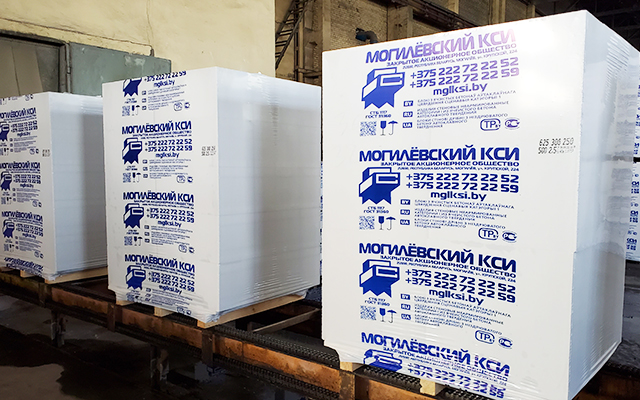
Efficiency comes from standardization and proactive planning rather than just speed.
Inconsistency is the enemy of stability. If five operators wrap pallets five different ways, your shipping failure rate will climb. We recommend setting a 50% film overlap guideline and documenting machine settings for every load type. This ensures every pallet handles long-haul trucking with predictable stability.
During harvest or holiday surges, your output might double in a matter of weeks. Instead of buying permanent equipment that sits idle for ten months, consider renting additional turntable wrappers or shrink tunnels. This keeps your capital free while ensuring you meet peak demand.
Don't wait for a machine to fail during your busiest shift. Regularly clean film residue and replace worn rollers. Calibrating heat settings prevents "burn spots," which are not only ugly but also create weak points that split during transit.
Safety and quality go hand-in-hand when using heat-based tools.
Operators should maintain a nozzle distance of 12–18 inches from the film. Holding the heat source too close causes scorching, while holding it too far results in an incomplete shrink. Constant motion is required to prevent heat from concentrating on one spot.
The heat involved in heat shrink wrap is significant. Operators must wear:
● Thermal-resistant gloves.
● Safety eyewear to protect against debris.
● Proper footwear for warehouse environments.
Ensure the workspace is well-ventilated to avoid the buildup of fumes from the heating plastic.
Untrained staff are a liability in pharma or food packaging where a single "burn spot" can lead to a rejected load. Training programs should focus on identifying uniform "tightening" without gloss burning.
Deciding between these two methods depends on your specific shipping requirements.
Heat shrink wrap uses heat to tighten the film into a rigid, protective shell. Stretch wrap relies on mechanical tension, where the film is pulled tight as it is wound around the pallet.
Choose heat shrink wrap when:
● Outdoor Storage: It provides a near-hermetic seal against rain and dust.
● High Security: It is much harder to tamper with than stretch wrap without leaving obvious signs.
● Irregular Loads: It conforms to odd shapes that stretch wrap might slide off of.
Stretch wrap is generally faster and cheaper for quick unitization of uniform boxes. However, for high-value or sensitive goods, the added cost of heat shrink wrap is an investment in reducing product loss and customer complaints.
Mastering how to heat shrink wrap a pallet is vital for shipping reliability. By using a bottom-up sequence and correct film gauges, you eliminate transit damage. szecopack provides high-quality tools that ensure maximum stability and improved warehouse safety. Following these professional steps reduces rejected shipments and keeps your operations moving smoothly.
A: Heat shrink wrap uses thermal energy to create a tight, tamper-resistant shell, while stretch wrap relies on mechanical tension for basic unitization.
A: You must follow a bottom-up heating sequence, starting at the base to anchor the film before moving to the corners and sides.
A: It provides superior environmental protection against moisture and dust, making it ideal for high-value goods or outdoor storage.
A: For irregular or heavy loads, you should use a polyethylene film with a minimum thickness of 3 mil to prevent punctures.
A: Maintain a distance of 12–18 inches, keep the heat source moving to avoid burn spots, and always wear protective gloves.


