
Views: 0 Author: Site Editor Publish Time: 2026-04-10 Origin: Site


Ever wondered how a loose plastic tube transforms into a skin-tight protective seal? This process involves a fascinating mix of material science and thermal engineering. In this post, you will learn how heat shrink wrap works to protect critical industrial systems.
● Material Memory Science: Heat shrink wrap works through a process called cross-linking, which creates a "shape memory" that allows the polymer to return to its original size when heated.
● Mechanical Protection and Insulation: It serves as a vital thermoplastic layer for electrical insulation, mechanical abrasion protection, and strain relief.
● Understanding Shrink Ratios: Choosing the correct ratio, such as 2:1 or 3:1, is essential to ensure the tubing fits over components and shrinks tightly enough for a secure seal.
● Environmental Sealing: Adhesive-lined versions melt internally to fill gaps, creating a moisture-tight barrier perfect for marine or underground environments.
● Material Selection: High-performance materials like PFA provide exceptional chemical and temperature resistance for demanding aerospace or medical applications.
● Proper Installation Technique: Achieving an optimal seal requires using a heat gun to apply heat evenly while avoiding open flames that can damage the material.
The functionality of heat shrink wrap is rooted in its manufacturing process, specifically a phenomenon known as "shape memory". Most tubing begins as a thermoplastic polymer, such as polyolefin, which is extruded to its final "recovered" size.
To give the material a "memory," it undergoes a process called cross-linking. Manufacturers use radiation or chemical processes to create covalent bonds between the polymer chains. This structural change prevents the polymer from simply melting when heated; instead, it behaves more like an elastic material that remembers its original shape.
After cross-linking, the tubing is heated to a high temperature and mechanically expanded to a much larger diameter. While still in this stretched state, it is rapidly cooled. This rapid cooling "locks in" the expanded shape, creating a state of internal tension within the polymer matrix.
When you apply heat during installation, you provide the energy needed to relax those polymer bonds. The material attempts to return to its original, smaller extruded size—the size it was before the expansion process. This is the "trigger" that causes the heat shrink wrap to contract tightly around whatever is placed inside it.
As the tubing shrinks, it exerts a consistent inward pressure. This allows it to conform perfectly to the contours of irregular shapes, such as connectors, splices, or wire joints. This compression ensures there are no gaps between the protection layer and the underlying component.
Once the heat source is removed, the material must be allowed to cool naturally. During this phase, the polymer chains re-stabilize, setting the tubing into a durable, protective layer that maintains its tight fit indefinitely.
Selecting the right heat shrink wrap requires an understanding of its performance metrics, which dictate how well it will perform in specific environments.
The shrink ratio describes how much the tubing reduces in size relative to its expanded diameter.
● 2:1 Ratio: The tubing shrinks to half its expanded size.
● 3:1 Ratio: Ideal for covering components with significant size differences, like a connector attached to a thin wire.
● 4:1 Ratio: Provides the highest level of flexibility for irregular or very bulky shapes.
While the primary goal is radial shrinkage (diameter), heat shrink wrap also shortens slightly in length during the heating process. It is important to account for this "longitudinal shrinkage" when cutting the tubing to length to ensure the entire joint remains covered after installation.
As the diameter of the tubing decreases, the wall thickness increases. A tube that is 3/4 inch expanded will have a significantly thicker wall once it has shrunk down to its 1/4 inch recovered state. This added thickness provides enhanced mechanical protection and electrical insulation.
Engineers must distinguish between the "shrink temperature" (the heat required to activate the recovery) and the "continuous operating temperature" (the maximum heat the material can withstand over its service life).
Metric | Importance |
Shrink Ratio | Determines the fit over irregular shapes. |
Recovered ID | The final internal diameter after full shrinkage. |
Operating Temp | Ensures the material doesn't degrade in the field. |
Dielectric Strength | Crucial for high-voltage insulation. |
Standard tubing provides insulation, but for environments where moisture or corrosion is a threat, adhesive-lined heat shrink wrap—often called "dual-wall" tubing—is necessary.
This product features an outer jacket made of cross-linked polyolefin and an inner layer of meltable thermoplastic adhesive.
As heat is applied to the outer jacket, the inner adhesive melts and flows. It fills voids, gaps, and crevices around the wire or connector. Once cooled, the adhesive hardens, creating a permanent, moisture-tight environmental seal.
This mechanism is essential for outdoor, marine, or underground applications where exposure to water, salt, or chemicals is frequent. It effectively encapsulates the connection, preventing any environmental ingress.
The adhesive does more than seal; it bonds to the substrate. This prevents the heat shrink wrap from sliding or shifting, providing superior strain relief and preventing wire fatigue.
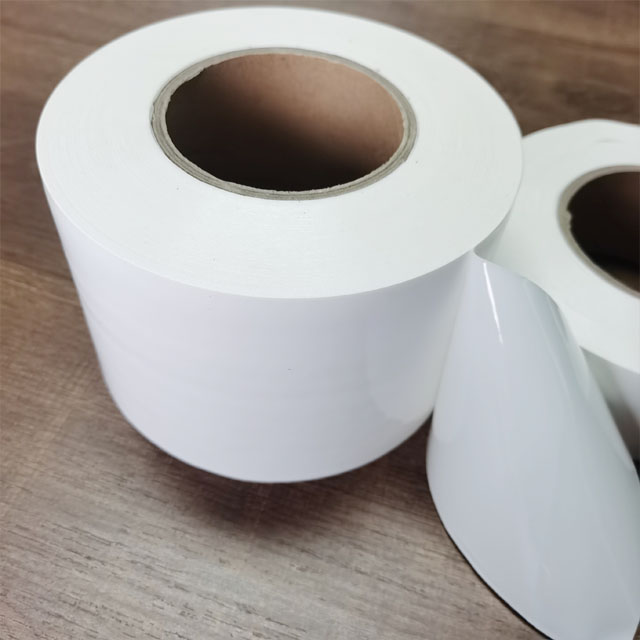
The "best" heat shrink wrap depends entirely on the material properties required by the application.
Polyolefin is the most common material due to its balance of cost, flexibility, and excellent electrical insulation properties. It is the workhorse for general-purpose electronics and electrical work.
For demanding environments, PFA (Perfluoroalkoxy) tubing is used. It offers exceptional chemical resistance, high-temperature tolerance, and very low friction. These are frequently found in aerospace, medical devices, and chemical processing.
Engineered for rugged environments, elastomeric blends provide high abrasion resistance and flexibility, even at very low temperatures. They are often used in military and heavy industrial applications where the wrap might be subjected to constant friction.
Industry-specific needs often require custom heat shrink wrap. These can include flame-retardant versions for mass transit, halogen-free materials for confined spaces, or medical-grade compliance for surgical tools.
The versatility of heat shrink wrap makes it a staple across various sectors.
● Electrical & Electronics: Used for insulating wire splices, protecting solder joints, and organizing complex cable harnesses.
● Automotive & EV Systems: Protects critical wiring from the extreme heat, vibration, and fluids found in engine bays.
● Aerospace & Medical: High-reliability insulation is achieved through custom-sized tubing that meets strict certification standards.
● Mechanical Strain Relief: By providing a rigid transition between a flexible wire and a rigid connector, it prevents wire fatigue and breakage.
Choosing the wrong size or material can lead to premature failure of the entire system.
Always follow the "80/20 rule": Choose tubing where the expanded diameter is at least 20% larger than the object, and the fully recovered diameter is at least 20% smaller than the object. This ensures a tight, secure fit every time.
Use higher ratios (3:1 or 4:1) for irregular shapes to ensure the tubing can pass over a wide connector and still shrink down to fit the thin cable behind it.
Evaluate whether the heat shrink wrap will face UV radiation, moisture, or chemical abrasion. Outdoor applications generally require UV-stabilized materials or adhesive linings.
Verify that the product meets necessary standards such as UL (Underwriters Laboratories), RoHS (Restriction of Hazardous Substances), or industry-specific aerospace or medical certifications.
Even the highest quality heat shrink wrap will fail if installed incorrectly.
A dedicated heat gun is the preferred tool. Unlike open flames, which can cause uneven heating or carbon deposits, a heat gun provides a consistent stream of hot air that allows for a controlled shrink.
To prevent air bubbles or "bird-caging," start heating from the center of the tube and move toward the ends. This pushes the air out as the material contracts. Alternatively, you can start at one end and work toward the other.
Watch for signs of degradation. If the material begins to turn brown, char, or become brittle, the heat is too high or held in one place for too long. Move the heat gun constantly to ensure an even finish.
After the tubing has cooled, inspect the seal. If using adhesive-lined wrap, you should see a small bead of adhesive at the ends, indicating a complete seal.
Note: Use a reflector nozzle on your heat gun to wrap the heat around the back side of the tubing, ensuring a 360-degree uniform shrink without having to rotate the part constantly.
Modern system reliability depends on the science behind heat shrink wrap. By using cross-linking and thermal recovery, it provides protection that tapes cannot match. Success requires understanding material limits and mastering installation for long-term value. szecopack delivers high-quality solutions designed for these industrial needs. Their durable products offer superior insulation and sealing to ensure your critical systems remain safe and efficient.
A: It relies on cross-linking and shape memory to shrink when heated.
A: Slide it over the joint and apply heat evenly from the center.
A: It provides superior mechanical protection and a permanent, moisture-proof environmental seal.
A: Yes, high shrink ratios like 3:1 or 4:1 allow it to conform perfectly.


