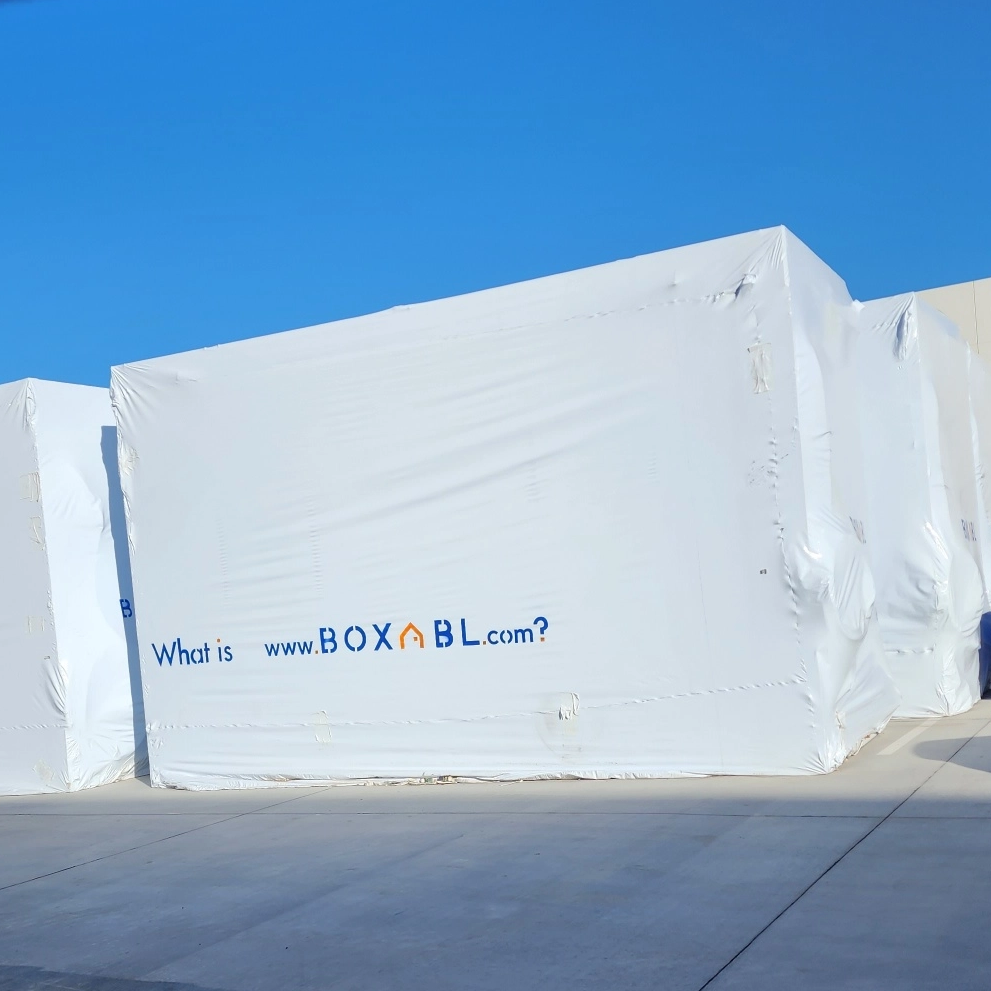
When sourcing flame retardant shrink wrap for a construction or industrial project, buyers need more than a roll of protective film. The material must fit the application, meet the required fire-performance specification, and remain reliable during installation and use. A supplier also needs to provide clear information about film size, thickness, and available customization.
Working with an experienced flame retardant shrink wrap manufacturer can make this process easier. ECOPACK supplies flame retardant shrink wrap for construction containment, machinery protection, modular structures, and other industrial packaging applications. Its product range includes multiple film dimensions and performance options for different projects.
What Should Buyers Expect from a Manufacturer?
A reliable industrial packaging supplier should help buyers match the material to its intended use. The right film for a scaffold enclosure may differ from the material used to cover a machine during outdoor storage.
For a buyer, this means the discussion should go beyond asking for the lowest price per roll. A useful quotation needs to address the film's dimensions, required fire performance, expected exposure period, and installation conditions.
It should also be clear which properties apply to the specific material being supplied. A manufacturer may offer several film grades, but not every grade necessarily has the same test results or optional functions.
Flame-Retardant Performance and Test Documentation
A flame-retardant film is designed to limit flame propagation under defined test conditions. This is different from claiming the material cannot burn or will protect an entire site from fire.
For industrial and construction buyers, the relevant standard is often specified by the project or destination market. NFPA 701 and DIN 4102-1 B1 are two references used for evaluating particular flame-performance characteristics.
ECOPACK's flame retardant shrink wrap product identifies these standards within its product offering. When requesting a quotation, buyers should confirm that applicable test reports or other requested documents correspond to the film grade they intend to purchase.
That step is especially important when the film will be used as temporary construction sheeting. A general product description is not a replacement for the documentation required by a specific project.
Film Sizes and Material Options
Film size has a direct effect on installation time, material use, and the number of seams needed to cover a large object.
ECOPACK's flame-retardant product range includes the following options:
Specification
Listed Options
Film width
12–65 ft (approximately 3.65–20 m)
Thickness
6–14 mil
Colors
White, clear and blue
Application
Construction, machinery, industrial and outdoor protection
Special requirements
Custom dimensions and selected functional options
A wider roll may reduce the number of joins on a large enclosure, but it can also be harder to handle. A thicker film may provide more mechanical strength, although sharp edges, wind exposure, and the supporting structure still affect its performance.
The best specification depends on how the film will be installed and what it must protect.
Custom Flame Retardant Shrink Wrap for OEM Projects
Standard roll sizes work for many applications, but some industrial goods need a more specific covering. Large machinery, prefabricated structures, and unusually shaped equipment may have projections or dimensions that make ordinary wrapping difficult.
An OEM project may need changes to film width, thickness, roll length, color, or packaging format. Printed branding and application-specific features can also be discussed.
ECOPACK offers customized industrial packaging materials for different applications. For a project that requires more than basic weather protection, the company can discuss options such as UV stabilization or suitable VCI corrosion protection alongside flame-retardant requirements, subject to the selected formulation.
The buyer should provide enough information to define the intended use. Equipment dimensions, photographs, drawings, outdoor exposure time, and required film properties all help the manufacturer assess a suitable configuration.
Why Samples Matter Before Bulk Orders
A small sample or installation trial can reveal problems that are difficult to identify from a product description.
For example, a film may have the desired nominal thickness but prove awkward to apply around a particular machine. Another material may shrink well on a small test object but require a different roll width for a larger enclosure.
Where practical, buyers should examine:
Film consistency: Appearance, handling and thickness suitability
Shrink behavior: How the material fits the intended shape
Seam performance: Compatibility with the planned joining method
Mechanical protection: Resistance to tearing at relevant contact points
Documentation: Availability of the required product and fire-test information
The trial should reflect the actual application as closely as possible. A short test on a simple shape will not reveal every issue that may occur around a large scaffold or industrial machine.
Working with ECOPACK
ECOPACK has manufactured industrial packaging materials since 2000. Its wider product range includes heavy-duty heat shrink wrap, reinforced film, VCI packaging, pallet wrapping materials, and custom-fit covers.
For repeat orders, clear specifications are especially valuable. Confirming film dimensions, material grade, color, packaging format, and required documents helps both sides work from the same requirements when preparing future deliveries.
If you need a flame retardant shrink wrap supplier for construction or industrial protection, contact ECOPACK with your application details, required standards, and order quantity. The team can discuss suitable film options, samples, and custom production requirements.