Packaging performance at the end of a production line depends on more than having a wrapper or hooding machine installed. The operation also needs suitable rolls, consistent supply, a clear material specification, and a plan for changing grades when products or pallet formats change. An equipment line can be technically capable yet experience avoidable downtime because the wrong film arrives or a critical consumable is missing. Choosing end-of-line pallet packaging materials is therefore an operating-system decision as well as a purchasing task.
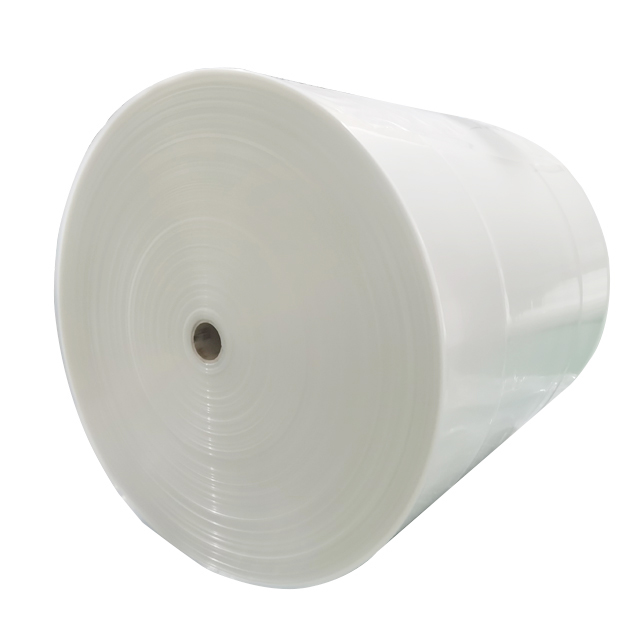
Consumables such as 55-layer nano stretch film and pallet stretch hood film support different end-of-line packaging processes. Choosing the correct material does not replace the need to match that material to the existing wrapping or hooding equipment. This guide helps operations and purchasing teams map their end-of-line process, identify appropriate material families, and manage specification changes without repeating the detailed roll-compatibility or per-pallet cost calculations covered in separate guides.
Start with the process
Identify where the pallet is built, how it is transferred to the wrapping station, which material is applied, and what happens after wrapping. The consumable must match each relevant step rather than only the last machine on the line.
Map the End-of-Line Packaging Sequence
A typical end-of-line operation may include case packing, labeling, palletizing, load squaring, stretch wrapping or hooding, inspection, and transfer to finished goods. Some facilities run a fully automated sequence, while others rely on forklifts or manual checks between stations. Each arrangement creates different requirements for film presentation, material replenishment, and fault handling.
Start with a simple process map showing the equipment name, pallet types, target throughput, and current materials at each point. Mark where finished pallets wait, where operators replenish film, and where damaged wraps are removed. This makes it easier to see whether the main problem is material selection, inconsistent operation, or poor workflow design.
Stretch Film for Wrapping Stations
Stretch wrapping uses film drawn around the pallet by a compatible machine or manual method. At an automated wrapping station, consumable selection involves film width, roll format, film behavior, and the operating recipe. The material must perform through the full application cycle without excessive breaks or unacceptable load compression.
Different pallet wrapping machine consumables may be appropriate for light cartons, heavy goods, or irregular profiles. A 55-layer film is one available product direction for evaluating strong, thin film with the actual equipment and load. The procurement specification should identify the approved film grade and format, while engineering retains the machine settings that delivered acceptable results.
Stretch Hood Film for Automatic Hooding Lines
Automatic stretch hood systems use a different process from conventional stretch wrapping. A hood is mechanically expanded, positioned over the pallet, and allowed to recover around the load. Film elasticity, hood size, and machine compatibility are therefore central to selection. The product is particularly relevant when pallets fall within a defined size range and the line requires an integrated covering method.
The pallet stretch hood category provides a starting point for this material family. Buyers should confirm the intended machine process and avoid ordering heat-shrink film for a cold-stretch hooder. A product may be called “pallet hood” in casual discussions, but its actual application method must be written into the purchase specification. The distinction affects equipment, packaging time, and the physical behavior required from the film.
Consider Other Materials Only When the Process Needs Them
A production line may also use bands, protective covers, or heat-shrink materials for specific tasks. These should be chosen according to the approved load flow rather than added automatically to every line. For example, elastic pallet bands can support selected temporary internal transfers, while a textile cover may protect equipment or palletized goods that require access during storage. Neither is simply a substitute film roll for an automatic stretch wrapper.
Packaging procurement can review the wider industrial pallet wrapping material range when a line produces several load formats. The decision should identify the function of each material and where it will be applied. A mixed approach may be appropriate where the finished goods have different transport destinations, but the line should not be made more complicated without a clear operational benefit.
Process location
Material decision
Key control
Palletizing discharge
Load geometry and corners
Stable pallet preparation
Stretch wrapper
Film grade and roll format
Approved recipe and containment
Stretch hooder
Hood film and machine range
Correct cold-stretch application
Temporary transfer
Band or intermediate restraint if needed
Approved short-distance use
Final inspection
Package integrity and labels
Release criteria and traceability
Consumable store
Roll and hood stock management
Replenishment and specification control
Protect Throughput through Consumable Replenishment
The best film cannot help production when the next roll is unavailable. Estimate consumption by shift and place replenishment stock where it can be handled safely without interrupting the line. Consider storage conditions, roll identification, packaging damage, and first-in-first-out procedures where appropriate. A line with multiple film grades should make approved formats easy to distinguish to prevent accidental substitutions during busy production periods.
Record material usage and changeover frequency together with downtime causes. If operators report frequent breaks, determine whether they are caused by roll damage, equipment settings, load corners, or inconsistent material quality. Avoid treating every interruption as a reason to order thicker film. Effective end of line packaging consumables management requires cooperation between operations, maintenance, purchasing, and the material supplier.
Film selection does not replace equipment engineering
ECOPACK supplies packaging materials and protective products. The design, guarding, operation and safe maintenance of automatic wrapping and hooding machines remain separate responsibilities of the equipment and site teams.
Control Material Specifications across Product Changes
When a manufacturer introduces a taller carton or a different pallet pattern, the established wrap recipe may no longer produce the same result. Packaging engineering should review whether the existing film still fits the application and whether the new load falls within a hooder's permitted size range. A formal change record can capture trial results, new material codes, and revised packaging instructions. This avoids operators making unapproved adjustments that only become visible after shipment damage.
Maintain an approved material list identifying each film grade by product, working dimensions, and intended equipment. Add revision dates and the reason for any changes. If several factories use the same pallet line design, decide which specifications should be standardized and which should vary locally due to load differences. This process supports repeat purchasing and more reliable quality control across production sites.
Establish Receiving and Quality Checks for Film Supplies
Consumable quality should be checked before rolls reach the line. Inspect packaging integrity, roll labels, core condition, and visible damage. Compare shipment quantities and product identification against the approved purchase order. Where the buyer has defined measurable film properties, use the agreed inspection or sample test method to confirm acceptance. The goal is early identification of variation, not creating an elaborate laboratory test for every standard replenishment.
If a supplier proposes an alternative grade, require evaluation before it is mixed into normal production stock. A film with similar thickness but different stretch or cling behavior may change wrapping results. The industrial film manufacturer and OEM capability discussion should focus on controlled specification changes and repeatability, while the production team documents any necessary operating adjustments.
End-of-line consumable control
01
Map — Assign each material to a process step and equipment type
02
Specify — Record film dimensions, grade and approved use
03
Stock — Plan safe storage and replenishment by shift
04
Verify — Check incoming rolls and first-run performance
05
Improve — Review downtime, waste and shipment feedback
Build a Purchasing Plan for Different Pallet Lines
A useful RFQ covers line types, film or hooding machines, average load profiles, planned throughput, and required material quantities. Include current roll formats and the method used to accept a new grade. If one site operates both stretch wrapping and cold-stretch hooding, request separate specifications rather than treating them as interchangeable orders. Explain any expected future pallet changes that could affect the choice of consumables.
An industrial pallet packaging supplier can discuss film grades, packaging formats, and volume supply, while a packaging consumables inquiry should identify the desired technical data and trial quantities. The final buying decision should support steady output and accepted load performance, not simply the lowest price for a roll. Good material control begins before the pallet reaches the last station.
End-of-line packaging buyer checklist
✓ Each consumable is mapped to the right packaging process
✓ Roll and hood formats are approved for their equipment
✓ Pallet profiles and acceptance criteria are documented
✓ Material stock and changeovers are planned
✓ Incoming inspection and revision control are defined
✓ Trial conditions are agreed before supplier substitution
Conclusion
Selecting end-of-line packaging materials means coordinating the load, wrapping process, consumable specification, and supply routine. Stretch film, stretch hoods, and other materials serve different functions, and procurement should keep those distinctions clear. With documented material controls and practical trials, production teams can reduce avoidable interruptions while maintaining consistent pallet packaging performance.
Frequently Asked Questions
Are machine stretch film and pallet stretch hood film interchangeable?
No. They are designed for different equipment and application methods. A material change must match the actual packaging machine and approved operating parameters.
Which line data should be included in a packaging material RFQ?
Provide machine model, pallet dimensions, throughput, current film specifications and common failure points. These details support a more relevant product trial.
How can packaging teams reduce film-related line stoppages?
Control approved specifications, verify incoming rolls and document machine settings. Track film breaks and changes in pallet profiles so purchasing decisions reflect operating performance.