
Views: 0 Author: Site Editor Publish Time: 2026-01-28 Origin: Site



Reinforced shrink wrap is an advanced packaging solution used for a variety of applications that require both strength and flexibility. It is typically made from polyethylene or polypropylene as the base material, combined with a scrim layer—woven fibers that enhance its structural integrity. This combination makes reinforced shrink wrap stronger than regular shrink wrap and ideal for heavy-duty and industrial use.
Understanding the strength of reinforced shrink wrap is crucial for choosing the right material for your packaging needs. In this article, we will explore the factors that contribute to the strength of reinforced shrink wrap, how it performs under different conditions, and why it is stronger than standard shrink wrap.
Reinforced shrink wrap is a type of shrink film that includes an additional layer of reinforcement in the form of a scrim. The scrim layer is woven from synthetic fibers, usually polyester, which is embedded within the base film. This reinforcement enhances the material’s strength, tear resistance, and load-bearing capacity. The base material is usually polyethylene (PE) or polypropylene (PP), both of which are known for their excellent shrinkage properties.
In its simplest form, shrink wrap is made of plastic film that shrinks when exposed to heat. However, reinforced shrink wrap adds a crucial layer of strength, making it more durable, resistant to tearing, and capable of supporting heavier objects.
Property | Description |
Base Material | Polyethylene (PE) or Polypropylene (PP) |
Reinforcement | Woven polyester scrim layer |
Shrinkage | Tight fit when heated |
Tear Resistance | Improved by scrim layer |
Load-Bearing Capacity | Enhanced by scrim for heavy-duty use |
The scrim layer is the key feature that distinguishes reinforced shrink wrap from standard shrink wrap. This layer is made up of tightly woven synthetic fibers (typically polyester) that are embedded within the film during the manufacturing process. The woven fabric structure creates a grid-like pattern that provides additional strength, preventing the film from tearing or stretching under pressure.
Without the scrim layer, shrink wrap would be prone to puncturing and tearing when exposed to rough handling, sharp edges, or heavy loads. The scrim layer provides structural integrity and makes the material more reliable, especially when used for industrial or heavy-duty packaging applications.
One of the most significant benefits of the scrim reinforcement is its tear resistance. Regular shrink wrap can be vulnerable to cuts and tears, especially in tough environments. In contrast, reinforced shrink wrap is designed to withstand these risks. The scrim layer absorbs the impact and stress, reducing the likelihood of failure during transportation or storage.
The woven fibers of the scrim distribute the tension across the surface of the shrink wrap, making it less likely to tear from localized pressure. This makes reinforced shrink wrap ideal for packaging items that are handled roughly or subjected to external stress during shipping.
The scrim layer also plays a vital role in enhancing the load-bearing capacity of the shrink wrap. When packaging heavy items, reinforced shrink wrap ensures that the film can support the weight of the product without breaking or sagging. The added strength from the scrim layer ensures that the shrink wrap can hold large, bulky items securely.
For industries that require secure and durable packaging for heavy or oddly shaped items, reinforced shrink wrap provides the necessary strength to keep the product safe from damage.
Reinforced shrink wrap is primarily made from polyethylene (PE) or polypropylene (PP), both of which are excellent materials for packaging due to their flexibility and shrinkage properties. Let’s explore these materials further:
Polyethylene (PE): This is the most commonly used material for shrink wrap because it offers a good balance of strength, flexibility, and affordability. PE shrink wrap is known for its ability to shrink tightly around products when heat is applied, making it perfect for creating tight-fitting protective wraps.
Polypropylene (PP): While less commonly used than PE, PP is stronger and more rigid. It is often used for packaging that requires more resistance to tearing and stretching. PP reinforced shrink wrap offers more durability under demanding conditions.
These two materials are often combined with the scrim layer to enhance the strength and performance of the shrink wrap. The combination of a flexible base film and a robust scrim layer creates a material that can withstand heavier weights and more extreme conditions.
The synergy between the base material (PE or PP) and the scrim reinforcement contributes to the overall strength of reinforced shrink wrap. While the base material offers flexibility and shrinkage properties, the scrim adds tear resistance and load-bearing capacity, creating a balanced material that is both flexible and strong. This combination ensures that the shrink wrap performs well across various applications, from light-duty to heavy-duty packaging needs.
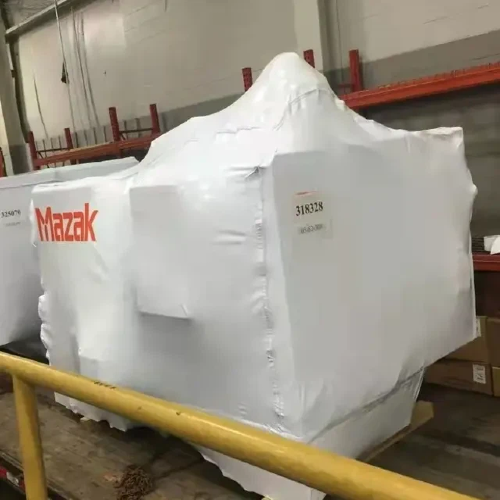
Reinforced shrink wrap is designed to endure harsh conditions. It is commonly used for outdoor storage or in situations where products are exposed to challenging environments. Thanks to the material composition, reinforced shrink wrap can resist:
UV Radiation: UV inhibitors are often added to reinforced shrink wrap, protecting it from sun damage. This is crucial for products that will be stored outdoors or in areas with high sunlight exposure.
Water and Moisture: The tightly shrunk film prevents water from getting in, making it ideal for packaging items that need protection from humidity or wet conditions.
Temperature Extremes: Reinforced shrink wrap can withstand both high and low temperatures, making it suitable for packaging items in cold storage or in industries that deal with temperature-sensitive goods.
In addition to its resistance to tears and punctures, reinforced shrink wrap also offers impact resistance. The scrim layer helps absorb shocks and prevents the film from breaking or tearing when subjected to impacts. This feature is particularly beneficial for packaging fragile or easily damaged items during transportation.
Whether it's dropped, bumped, or moved roughly, reinforced shrink wrap ensures that the item inside remains protected, maintaining its integrity during handling and shipping.
While standard shrink wrap is adequate for many packaging applications, it lacks the enhanced strength of reinforced shrink wrap. Standard shrink wrap, typically made of polyethylene or PVC, is more vulnerable to tearing, punctures, and breaking under stress. In contrast, reinforced shrink wrap, with its additional scrim layer, provides superior strength and durability.
Here’s a comparison between standard shrink wrap and reinforced shrink wrap:
Feature | Standard Shrink Wrap | Reinforced Shrink Wrap |
Tear Resistance | Moderate | High (due to scrim layer) |
Load-Bearing Capacity | Low | High (due to scrim layer) |
Durability | Average | Excellent (UV, weather, impact resistant) |
Flexibility | High | Moderate (enhanced by scrim) |
Best Use | Light-duty, small items | Heavy-duty, large items |
Stronger Tear Resistance: The scrim layer provides exceptional resistance to tears and punctures, even in demanding applications.
Higher Load-Bearing Capacity: Reinforced shrink wrap can hold heavier items securely without breaking or sagging.
Improved Durability: The material is designed to withstand harsh environmental conditions, making it perfect for long-term storage and transportation.
Flexibility and Adaptability: While more rigid than standard shrink wrap, reinforced shrink wrap still offers a level of flexibility that ensures it can fit tightly around various shapes.
Reinforced shrink wrap is a highly durable packaging solution that delivers superior strength compared to standard shrink wrap. With its unique composition of polyethylene or polypropylene as the base material, reinforced by a scrim layer, it is specifically designed for heavy-duty applications. This makes it the perfect choice for packaging large machinery, outdoor equipment, and fragile items that require additional protection during storage and transportation.
At Suzhou Ecopack Co., Ltd., we specialize in providing high-quality reinforced shrink wrap that meets the toughest packaging needs. Our products offer unmatched durability, tear resistance, and load-bearing capacity, ensuring your goods remain secure throughout their journey. If you are looking for a reliable, strong packaging solution, we invite you to learn more about our range of reinforced shrink wrap products. Our team is ready to assist you in selecting the perfect solution to safeguard your products and enhance your packaging process. Feel free to contact us today for personalized support and recommendations.
Reinforced shrink wrap includes a scrim layer made from woven polyester fibers, which significantly enhances its strength and tear resistance. Regular shrink wrap lacks this reinforcement, making it more prone to damage.
Yes, reinforced shrink wrap is designed to handle heavy-duty loads. The scrim layer increases its load-bearing capacity, allowing it to securely wrap large or bulky items without breaking.
Yes, the scrim reinforcement significantly improves tear resistance, ensuring the material stays intact even when exposed to sharp objects or rough handling.
Yes, reinforced shrink wrap can be used outdoors. It is often treated with UV inhibitors to protect against sunlight damage, making it ideal for packaging items exposed to the elements.
Reinforced shrink wrap performs well in both hot and cold temperatures. Its durable composition protects products from environmental factors such as humidity, UV rays, and temperature fluctuations.


