Delicate fabrics and clothes face constant risks during shipping. Scratches, wetness, and dirt can ruin whole orders before they reach your customers. Protective packaging acts as the first shield, keeping products safe at every step of the supply chain. You need a solution that works well without raising your costs.
How do you find a reliable cotton wrap film maker? The answer means balancing performance, eco-friendliness, and price—three things that often clash. This article gives a data-based look at top makers for 2026. You will get a clear way to judge technical quality, understand how we rank them, and find a practical guide for picking suppliers. Your packaging choices deserve careful study, not guessing.
Key Takeaways
PE cotton wrap film keeps fabrics safe from harm while they are being shipped.
ECOPACK is a top choice because its film has five layers, blocks UV rays, and includes 30% recycled material.
Tama USA provides wrap that works well with gin and includes RFID tags to help track it.
Silopak offers direct-from-factory prices and custom choices.
Berry Global makes clear film that looks great for high-end product displays.
Test the film samples yourself to check how strong they are and how well they block sunlight.
Sustainable choices, such as ECOPACK's film made from recycled materials, reduce harm to the environment.
Defining Cotton Wrap Film
What Is PE Cotton Wrap Film?
Material Composition and Key Properties
PE cotton wrap film keeps raw cotton, fabric, and clothes safe during storage and shipping. Makers create this stretch film using a process with many layers of blown plastic. Each layer has a special job to make the final product work better.
Layer/Structure
Material & Additives
Property
Multi-layer blown film
Linear low-density polyethylene (LLDPE) and metallocene additives
Better tear resistance (tested with ASTM D1709 dart drop)
Inner layer
Polyisobutylene (PIB)
Strong cling, creates a tight seal that keeps out moisture and dust
Outer layer
Specific slip agents
Non-stick surface, stops bales from sticking together during travel and handling
The mix of LLDPE and metallocene additives gives great puncture resistance. This PE cotton wrap film can handle rough treatment when loading and unloading. The inner PIB layer makes the overlapping wraps stick tightly. Moisture and dust cannot get through the sealed barrier. The outer slip agents let bales come apart easily when you need to open them.
Common Applications in Textile and Apparel Industries
Cotton growers and textile mills use this wrap to protect raw fibers. Clothes makers use it to hold boxes and pallet loads together. Shipping companies use the stretch film to keep mixed loads steady. Warehouses rely on it to store items for a long time. Farms also use cotton wrap film to guard harvested crops from weather damage.
Why Manufacturer Choice Matters
Impact on Product Protection and Brand Reputation
The stretch film maker you pick changes how well your goods survive the trip. Poor-quality film tears easily, letting dirt get to your products. Damaged goods cause customer complaints and returns. Your brand's good name suffers when items arrive in bad shape. Good stretch film makers give steady film quality that keeps your cargo safe every time. You earn trust from clients who get perfect goods shipment after shipment.
Cost Implications and Supply Chain Efficiency
The cost of cotton wrap film is more than just the price you pay. Thin or uneven film needs more layers to give enough protection. You use more material per pallet, which raises packaging costs. Frequent tears make workers rewrap loads, wasting time. A trusted supplier provides film with steady thickness and strength. You can plan exact usage rates and improve your packaging budget. Fast pallet wrapping cuts down material waste and speeds up your packing process. The right maker becomes a partner in your work, not just a seller.
Picking among stretch film makers needs careful study of their production skills and quality checks. You need a supplier who knows what the textile industry needs. The best packaging options balance protection, cost, and ease of use. Your packaging success depends on this important choice.
Top Pick: ECOPACK
ECOPACK: Company Overview
History and Global Reach
You need a stretch film maker with a solid history. ECOPACK began in 2000 and became a top packaging producer in China. Over 20 years, the company built a worldwide network that serves logistics, warehousing, textile, and farming customers. The brand's focus on new ideas and eco-friendly practices makes it stand out from other stretch film makers. You get a partner who knows how international shipping works and keeps your goods safe during the whole trip.
Production Capacity and Facilities
ECOPACK works on a site that covers over 180,000 square meters. This space holds modern production lines that run all the time to meet global demand. The company makes a steady 45,000 tons of cotton bale wrap film each year. This large output means you can count on a steady supply from a trusted source. You never face delays that mess up your packing schedule. The big facility also lets the company keep raw materials and finished goods in stock, which cuts wait times and lowers your storage costs for orders.
ECOPACK's Cotton Wrap Film Quality
Technical Specifications and Performance Data
The pe cotton wrap film from ECOPACK uses a five-layer co-extrusion build. This stretch film design gives you better protection than regular film options. Each layer has a clear job:
UV blocking layer stops sun damage during outdoor storage
Tensile strength layer handles the stress of automatic wrapping machines
Moisture protection layer keeps water and humidity away from your products
Puncture resistance layer prevents tears from sharp objects
Cling layer ensures tight seals without using adhesives
The film's performance data proves it works well for tough jobs:
Specification
Value
Film width
106 inches / 2.7 meters
Thickness
75 microns
Wraps per roll
24
Operating temperature range
-59°F to 104°F / -50°C to 40°C
This mix of width and thickness gives you full coverage for standard cotton bales. The wide temperature range allows safe use in cold storage or hot outdoor areas. The strong puncture resistance and stretch mean you spend less on replacing damaged film during handling. These traits make the pe cotton wrap film good for field work, machine tension, and long-distance shipping.
Certifications and Compliance Standards
You want proof that your packaging meets safety rules. ECOPACK holds certifications that confirm its film works well and stays safe:
Our Flame Retardant film meets the rules DIN4102-1 B1, and NFPA 701
These standards show the film stops fire from spreading, which matters a lot for warehouses and shipping containers. The company also follows global quality management standards. These certifications give you confidence that every roll meets the same high specs. You avoid the risk of bad material. A reliable supplier backs every roll. Meeting these standards lowers your compliance costs for shipping and storage.
Why ECOPACK Leads the Market
Innovation in Film Formulation
ECOPACK puts money into research to make its film better over time. The company brought out several new ideas that make its products different from other stretch film makers:
Innovation in Film Formulation
Performance Benefit
5-layer co-extruded barrier
Blocks moisture, UV rays, and contaminants
Non-adhesive inner layer
Peels cleanly, keeping cotton pure
Anti-microbial coating
Prevents mold growth during long outdoor storage
UV inhibitors
Stop sun damage and cracking
30% post-industrial recycled content
Meets SCI and OEKO-TEX eco-certification standards
Non-toxic formulation
Contains no heavy metals or harmful plasticizers, ensuring safe contact with natural fibers
These features make ECOPACK's stretch film good for the hardest jobs. It keeps your products safe during long storage with its anti-microbial coating. The non-toxic formula ensures safe contact with natural fibers. The recycled content options help you hit green goals without raising your material cost. You get high-quality films that protect your goods while meeting eco targets.
Reliability and Consistency in Supply
A good stretch film maker must deliver the same specs every time. ECOPACK's production system checks thickness, tension, and cling properties during the whole making process. You get steady results from roll to roll and shipment to shipment. This reliability cuts your waste and lowers your total cost. Workers spend less time fixing machine settings or rewrapping loose loads. The company's big output means you can grow or shrink orders without supply breaks. You get a supplier who backs your growth and fits your changing needs. This stretch film gives steady performance you can trust.
ECOPACK also offers custom choices for width, thickness, and core size. You can ask for special formulas to match your exact needs. The maker's technical team helps you pick the right film for your job. This team approach lowers your testing and trial costs. You save money by getting the right film from the start.
Picking ECOPACK as your stretch film supplier means you get a partner who invests in quality, new ideas, and sustainability. The company's certifications, output capacity, and advanced formulas make it a top choice among stretch film makers. You lower your total cost while improving product safety. Your supply chain runs smoother with a supplier who delivers steady performance.
Other Notable Manufacturers
Beyond ECOPACK, several stretch film makers offer strong choices for cotton producers. Each one brings a different strength. You need to match their skills to your own work.
Tama USA: Gin-Friendly Solutions
Key Product Features and Differentiators
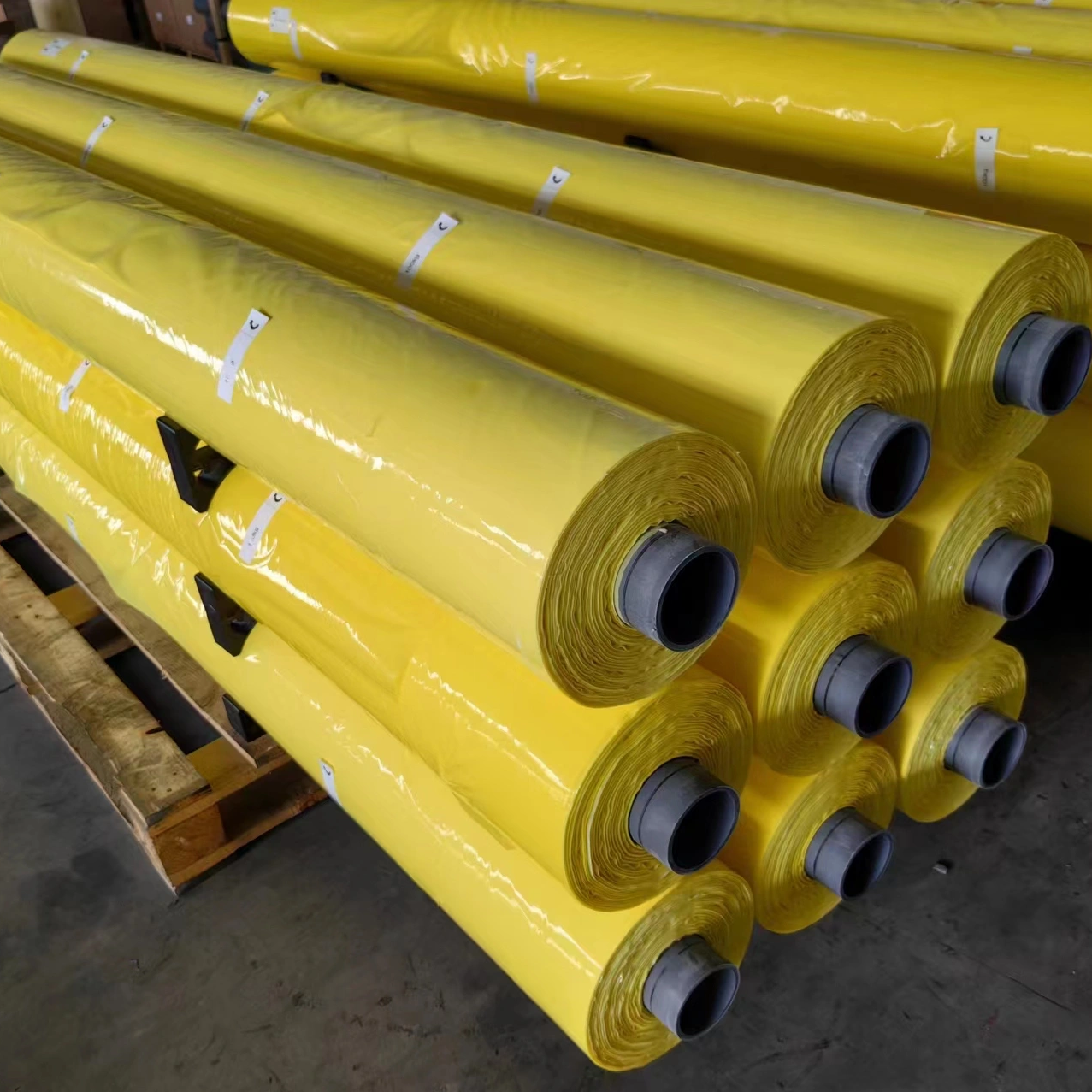
Tama USA makes its TamaWrap+ Yellow Premium for cotton ginning work. The company builds every layer with the gin in mind. You get a stretch film that handles the rough trip from field to processing plant.
The wrap resists tearing from cotton stalks and catching on module chains. It handles punctures when workers move modules around the yard. This toughness means fewer delays and less product loss during transport.
Tama backs its product with expert help. Their team includes Ginning School graduates who know the whole process. You get advice from people who understand your field, not just sales staff.
Traceability sets Tama apart. Each wrap has 4 RFID tags for unique module identification. These tags work with systems like John Deere Harvest ID and Cotton Pro. You can follow every module from field through the gin's gateway, scale, yard, and feeder floor. This data links ginned bale info back to the seed cotton module and the original field.
The wrap also offers recycling after ginning. Gins can compress the material and sell it to recyclers. This creates extra income while supporting green goals.
Best Use Cases for American Producers
Tama built this wrap with John Deere for perfect fit on all Cotton Harvesters. The TamaWrap+ Yellow Premium meets the ASABE S615.2 Feb 2022 Cotton Module Cover Material Performance standard. This approval means you get industry-recognized quality for gin processing.
The Tama Cut Indicator™ helps you find the recommended cutting zone. You lower the risk of cotton contamination during unwrapping. The advanced tail adhesive protects in all weather. Strong UV protection lets modules stay outside for 6 months under extreme sun. The Arctic formula works even in freezing conditions.
The Z-LOCK® System connects and splits each portion into ready-to-use segments. This ensures the next portion feeds correctly and boosts tail durability. Over The Edge Protection stops cotton loss and rainfall exposure while holding module shoulders. You keep cotton quality right up to the gin feeder.
Silopak: Factory-Direct Production
Cost-Effective Manufacturing
Silopak runs as Tsingtao Jummos Agricultural Technology Co., Ltd. They make cotton wrap film in their own factory in China. You buy straight from the people who make the product.
We are the manufacturer. You buy from the people who make the product, with no trader in between.
This factory-direct model removes middleman costs. You gain control over specs and quality checks. The price difference matters most when you buy in bulk or resell film in your own markets.
Supply Chain Role
Price Level
Manufacturer
Lowest (factory direct)
Supplier
Medium
Distributor
Higher (added margin)
Customization Options and Lead Times
Silopak offers six standard colors: yellow, orange, green, red, pink, and blue. You can ask for custom colors on volume orders. Printed branding and OEM/private label orders also come available for larger amounts.
Standard pallets hold 9 or 12 rolls. You can change this setup to fit your container loading plans. This flexibility helps you use shipping space well and cut freight costs.
Lead times vary by season. Peak season needs one month. Off season delivers within 15 workdays. You can plan your buying around these times to keep steady inventory.
Berry Global: High-Clarity Films
Specifications for Premium Packaging
Berry Global makes high-clarity stretch film for jobs where seeing the product matters. You can check wrapped goods without removing the film. This clarity helps warehouse staff verify contents fast and cuts the need for labels.
The film offers even thickness and optical properties. You get a professional look that reflects well on your brand. Premium packaging often draws attention on retail floors and in distribution centers.
Comparison of Cost vs. Performance
Berry's high-clarity films usually cost more than standard options. You pay extra for the optical quality and steady performance. The trade-off works well when presentation matters or when you need to spot products at a glance.
For most cotton operations, clarity adds less value than durability and traceability. You might pick Berry for finished textile products rather than raw cotton bales. The cost difference makes sense when your customers expect a polished unboxing experience.
Your choice among these stretch film makers depends on your priorities. Tama excels in gin-specific features and traceability. Silopak offers factory-direct pricing and customization. Berry delivers premium clarity for presentation-focused packaging. Check each against your operational needs and budget limits.
Certifications and Compliance
Certifications give you proof that you can trust a supplier. Industry certifications show that a stretch film maker follows strict safety and performance rules. ECOPACK sets the standard with its certifications and quality checks. The company holds DIN4102‑1 B1 and NFPA 701 for its flame retardant stretch film. These certifications prove the film stops fire from spreading in warehouses and containers. You get a product that meets international safety standards.
Essential Industry Certifications
ISO 9001 for Quality Management
ISO 9001 certification matters for any stretch film producer. This standard requires a documented quality management system. The maker checks every step of production. You receive consistent film thickness and strength from roll to roll. A certified supplier tests raw materials and finished goods. Strict quality control measures ensure consistent results. This discipline reduces defects and machine downtime at your facility. The quality system covers everything from order entry to final delivery. You gain a reliable partner for your packaging needs.
Environmental certifications for stretch film show a commitment to reducing waste. The Forest Stewardship Council (FSC) certifies paper‑based components. The EU Eco‑Label marks products with lower environmental impact. ECOPACK offers stretch film with 30% post‑industrial recycled content. This material meets SCI and OEKO‑TEX eco‑certification standards. You can choose recycled options without sacrificing performance. These certifications help you meet your own sustainability goals. Customers increasingly demand green packaging choices. Your supply chain benefits from verified eco‑friendly materials.
Regulatory Compliance in Packaging
REACH and FDA Compliance for Food‑Contact Grades
Regulatory compliance for stretch film involves chemical safety rules. REACH governs substances in the European market. The U.S. FDA regulates materials that contact food indirectly through packaging. You must check that your stretch film maker follows these rules. Non‑toxic formulations ensure safe contact with natural fibers and food products. ECOPACK uses no heavy metals or harmful plasticizers in its stretch film. This clean chemistry protects your products from contamination. You avoid costly compliance issues during customs inspections.
Navigating Regional Standards in North America and Europe
Standards for stretch film differ between major markets. North America follows ASTM test methods for physical properties. Europe relies on EN standards for similar measurements. You need a supplier who understands both systems. ECOPACK meets both DIN4102-1 B1 (European) and NFPA 701 (North American) for its flame retardant film. This dual compliance saves you from switching suppliers for different markets. You can ship the same product to multiple regions safely. The quality control behind these marks gives you confidence. Suppliers who hold multiple certifications reduce your risk. You deal with one qualified partner.
Choosing a certified supplier protects your business. You reduce liability and ensure consistent quality in your packaging. The right certifications make your supply chain stronger.
Matching Capabilities to Needs
You cannot pick a stretch film maker just because they have a good name. Your work has special needs that require careful thought. A supplier who works well for a big cotton group may not work for a small farm. You need a clear plan to match each maker's skills with what you really need.
Checking Production Volume and Lead Times
Minimum Order Amounts and Growth Options
Start with your farm size and how much cotton you expect. These numbers tell you how much stretch film you need. Count how many modules or bales you make. Turn that amount into film use. Plan your roll orders so you do not run out during picking. Too much extra film loses strength over time.
Order Type
Typical MOQ
Reason for Threshold
Standard yellow wrap
Lower threshold
Standard production runs without line changes
Custom colors or prints
Full 20-foot or 40-foot shipping container
Justifies extrusion setup costs and machine purging
Custom orders need bigger minimums because changing production lines costs money. Small runs waste material during machine cleaning. You must decide if custom options are worth the larger order. A supplier who offers flexible minimums for standard products helps you manage stock without tying up too much cash.
Checking Supply Backup and Shipping
Your stretch film supplier must deliver on time. Delays stop your harvest completely. Check their supply reliability before you sign. Ask about their raw material sources and backup production lines. A maker with several plants lowers your risk of delays.
Look at their shipping history and delivery partners. Ask how they handle busy seasons. Compare their delivery times with your harvest schedule. You need a supplier who can grow when your yield is higher than planned. Payment terms also matter for your budget. Work out good terms that help your buying plan without lowering quality.
Custom Choices for Packaging Solutions
Width, Thickness, and Core Size Options
Your machines decide which stretch film sizes work. Check your harvester manual for core size, roll width, and outer size. A wrong size causes jams and stops your picking. Top makers offer standard widths of 2700mm or 2210mm. Lengths usually run 505m or 530m. You can ask for custom sizes to fit your machines.
Customization Parameter
Available Options
Width
2700mm, 2210mm, or customized
Length
505m, 530m, or customized
Thickness changes both protection and cost. Thicker film resists tears better but costs more per bale. Thinner film costs less but may tear during rough use. Test different thicknesses against your real field conditions. Your choice must balance safety with your budget.
How Makers Support Custom Tooling and Printing
Beyond sizes, you can pick colors, logo printing, and package design. Private label lets you sell film under your own brand. Core specs and export packaging also come available. These options add value but raise your minimum order needs.
Check that your maker uses the latest tools for custom work. Modern extrusion lines handle quick changes without losing quality. Ask about their quality checks during custom runs. A supplier who checks every roll keeps steady performance even with special specs.
Ask for samples before you order a large amount. Run test trials on your own machines. Measure tear strength, stretch memory, and UV protection under your field conditions. This testing costs little compared to a failed harvest. You gain trust that the custom film works for your work.
Your review should also cover material purity and roll evenness. Eco-friendly virgin polymers give high tear strength and stretch memory. Exact roll width stops dispenser jams. A non-sticky inner layer allows clean stripping at the gin. These details protect your lint quality and avoid contamination fines.
The right stretch film supplier becomes a partner in your harvest success. Take time to check their skills match your needs. Your packaging choices directly affect your profits.
Testing PE Cotton Wrap Film
You can't just trust what a supplier says. You need to test pe cotton wrap film samples yourself before buying a large amount. This protects your harvest and your money. Testing takes time, but it costs much less than a failed crop season. You need simple methods that show how well each film really works.
Key Performance Tests for Cotton Wrap Film
How to Conduct a Simple Tensile Test
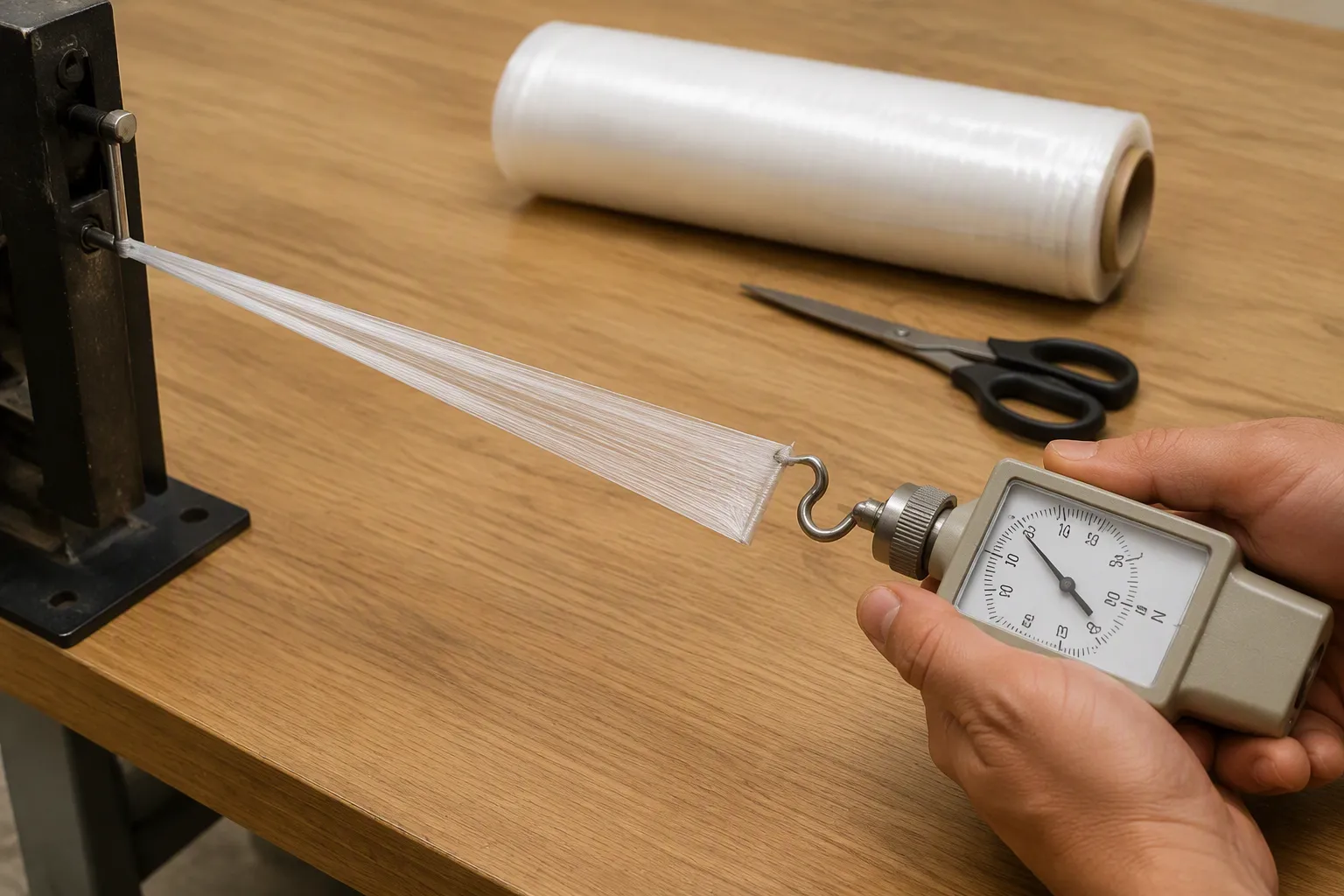
Tensile strength shows how much pulling force the film can handle before it breaks. This matters because your wrapping machines pull the film tight. You can test this at home without fancy lab tools.
Cut test strips from each sample roll. Cut them in both machine direction and transverse direction. The machine direction runs along the roll's length. The transverse direction runs across the roll's width. Label each strip clearly so you know which direction you test.
Test tensile strength and elongation in accordance with ASTM D882. Condition marked control specimens for 24 hours at the standard condition specified in this method. Average the results for specimens in the warp direction and average them separately for the weft direction. For fabric constructions, an average warp strength below 110 pounds or weft strength below 105 pounds constitutes failure.
You can use this standard for your own tests. Use a simple pull scale or spring gauge. Clamp one end of the film strip to a fixed point. Attach the other end to your gauge. Pull steadily until the film breaks. Write down the highest force reading. Do this for several strips from each direction. Average your results to compare.
This simple test shows big differences between suppliers. A film that breaks early in one direction will likely tear during wrapping or shipping. You want strong film in both directions for good performance.
Evaluating Cling and Release Properties
Cling properties show how well the film sticks to itself during wrapping. Release properties show how easily you can unwrap the film at the gin. Both matter for different reasons.
Test cling by wrapping film around a small test object. Use the same tension and overlap each time. Wait a few minutes, then check whether the layers stay sealed. A quality film holds tight without leaving sticky residue. The inner layer must not stick to the cotton itself.
The tackifier additive balance controls this behavior. Outer layers need enough tack to seal properly. The inner layer must remain zero-tack to avoid fiber contamination. You can test this by pressing the inner surface against a clean cotton sample. Peel it away and check for fiber transfer. Any sticking indicates a problem.
Creating a Sample Evaluation Protocol
Defining Your Internal Testing Criteria
You need clear criteria before comparing samples. Define what performance means for your specific operation. Your criteria should reflect your equipment, climate, and handling practices.
Internal Testing Criterion
What It Evaluates
Dart drop impact testing
Puncture resistance against sharp objects like cotton stalks
Accelerated weathering chambers
UV exposure simulation to verify long-term sunlight durability
Precise elongation testing
Harvester compatibility and proper stretching during wrapping
Field tension tests on module builders
Real-world performance under actual wrapping tension
Tensile strength (MD & TD)
Machine direction handles pulling; transverse direction prevents bursting
Barrier effectiveness against external moisture and internal condensation
Tackifier additive balance
Outer layers seal properly; inner layer avoids fiber contamination
Write down your acceptable limits for each criterion. Share these standards with potential suppliers. A good manufacturer welcomes your testing protocol. They know that informed buyers make better long-term partners.
Comparing Samples from Different Manufacturers
Request samples from at least three manufacturers. Label each sample with a code that hides the brand name. This blind testing prevents bias during evaluation. Run every sample through the same tests under identical conditions.
Create a comparison sheet with your criteria listed down the left side. Record results for each sample across the top. Score each criterion on a simple scale. Total the scores to see which film performs best overall.
Do not rely on lab results alone. Run field trials with your actual equipment. Wrap test modules and leave them outdoors for several weeks. Inspect the film for UV damage, tears, and moisture penetration. This real-world testing reveals issues that laboratory tests miss.
Document everything you observe. Photograph any failures or concerns. Share your findings with the manufacturers. Their responses tell you about their customer service and willingness to improve. A supplier who dismisses your concerns will not support you during harvest season.
Your testing protocol becomes your purchasing standard. Use it every time you evaluate a new supplier. Consistent evaluation helps you maintain film performance quality across seasons. You build a reliable supply chain through careful, repeatable testing.
Alternatives and Sustainability
The packaging industry must lower its impact on the planet. Buyers now ask hard questions about where materials come from and what happens to them after use. Makers are creating new blends that protect products and help the earth. You need to check these options against your own needs.
Exploring Biodegradable and Compostable Options
Performance Comparison with Traditional PE Films
Biodegradable stretch film is entering the market with big promises. These materials break down in certain conditions, unlike regular polyethylene that lasts for hundreds of years. You must see how they work in real life before you switch.
Regular PE cotton wrap film has strong tear and puncture resistance. Biodegradable options often give up some strength to be better for the environment. Field tests show that biodegradable film can handle normal wrapping tension but may tear more on rough surfaces. How well they block moisture also varies a lot. Some biodegradable films break down too early in damp storage, which harms product safety.
The gap in performance is getting smaller as technology improves. Newer bio-based plastics use additives that keep strength while allowing breakdown. You should ask makers for test data to compare. Run your own tests during harvest. Measure tear strength, UV resistance, and cling side by side. Only real testing tells you if biodegradable options are good enough.
Cost Analysis and Market Availability
Biodegradable stretch film costs more than regular kinds. Current market prices are 20 to 40 percent higher per roll. Small production runs and special raw materials cause these higher prices. You must weigh this extra cost against your green goals and what your customers want.
The market is getting better as demand grows. Big makers now offer biodegradable lines along with their normal products. Local stores in farming areas carry these options. You can buy biodegradable film through normal supply chains without long waits. But custom colors and printed logos are still limited for biodegradable film. Order well before harvest to make sure you get what you need.
Sustainable Packaging Solutions
The Role of Recycled Content in Cotton Wrap Film
Using recycled materials is the most useful trend in green packaging today. Makers add post-industrial recycled polyethylene to stretch film without losing performance. You help the environment while keeping the strength your work needs.
ECOPACK leads in this area with stretch film that has 30 percent post-industrial recycled content. This material meets SCI and OEKO-TEX eco-certification standards. The recycled content does not hurt tensile strength or puncture resistance. You reach your green goals without changing your wrapping process or machine settings.
Using recycled content cuts down on landfill waste and saves raw materials. You also lower your carbon footprint compared to using all new plastic. Ask possible suppliers about their recycled content percentages and proof. Check their claims through independent testing when you can.
How Top Manufacturers Reduce Carbon Footprints
Leading stretch film makers use many ways to cut carbon. These efforts go beyond recycled materials to include energy savings and less waste. You benefit from working with suppliers who care about the environment.
ECOPACK's 180,000-square-meter factory uses energy-saving production lines that use less power. The company's large size allows them to use raw materials well with little waste. Their focus on green packaging makes them a good choice for buyers who care about the planet.
You should look at a maker's full environmental impact, not just their product claims. Ask about their energy sources, water use, and waste management. Ask for their sustainability reports and outside audits. A supplier who works to lower their carbon footprint shows long-term thinking that helps your supply chain. The sustainable green eco-film options from top makers combine recycled content with safe materials. These biodegradable and recyclable products offer you a way to go greener without losing quality. Your choice of eco-friendly materials shows your brand values and meets growing customer demand for responsible packaging.
No single manufacturer fits every operation. Your priority determines the right choice. Cost, performance, or sustainability will guide your decision. Use the evaluation framework from this article as your checklist. Start with certifications. ISO 9001 and environmental standards verify quality. Test samples with your own equipment. Measure tensile strength, cling, and UV resistance. Match supplier capabilities to your production volume and customization needs. ECOPACK leads the market with strong certifications, recycled content, and consistent supply. The industry continues shifting toward sustainable packaging materials. Better performance and lower environmental impact drive this change. Packaging choices protect your brand and meet sustainability goals. You now have the tools to make a confident, informed decision.
FAQ
What is PE cotton wrap film?
It's a stretch film made from LLDPE and metallocene additives. This packaging keeps raw cotton, fabric, and clothes safe during storage and shipping. The inner layer blocks moisture and dust.
What certifications should I look for?
Look for ISO 9001 for quality management and environmental certifications like FSC or Eco-Label. For flame-retardant film, check DIN4102-1 B1 and NFPA 701. These standards confirm safety and performance.
How do I test cotton wrap film quality?
Test tensile strength using ASTM D882. Check cling and release properties. Run field trials on your equipment. Measure puncture resistance and UV protection. These tests show real performance differences between packaging suppliers.
Can I get custom sizes and colors?
Yes. Top manufacturers offer custom widths, thicknesses, core sizes, and colors for your packaging needs. Options include printed branding and private label. Minimum order quantities increase for custom work, so plan ahead.
Is eco-friendly cotton wrap film available?
Yes. Some manufacturers offer film with recycled content. ECOPACK provides film with 30% post-industrial recycled material. Biodegradable options exist but cost more and may have different performance characteristics.
How do I choose between manufacturers?
Match supplier capabilities to your operation. Check production volume, minimum order quantities, certifications, and customization options. Request samples and run your own tests. The right partner balances cost, performance, and sustainability.