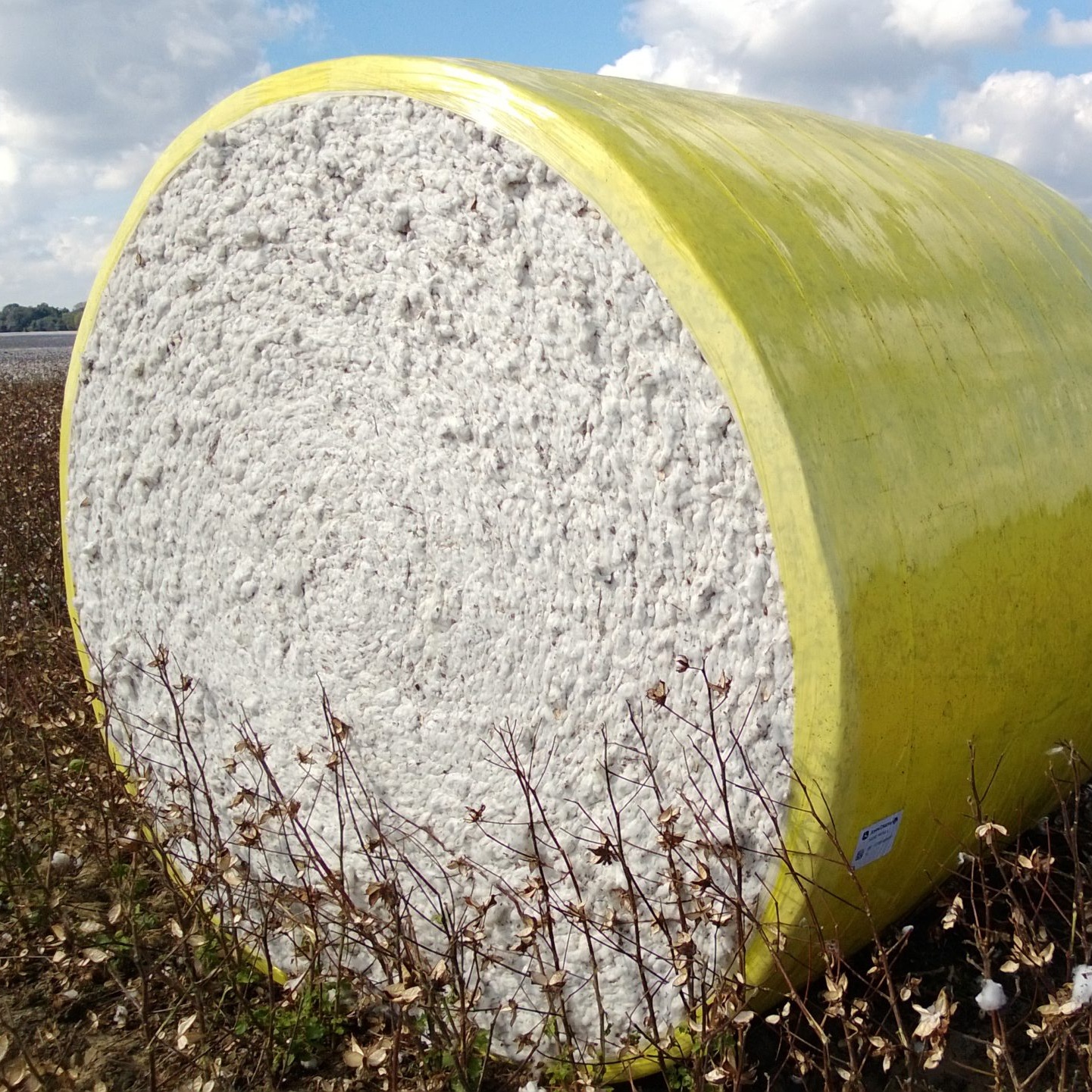
Imagine you are standing at the edge of your cotton field after harvest. Dark clouds appear on the horizon. Your just-picked bales sit out in the open on the trailer. Rain, sun, and dirt can ruin many months of hard work. You have a big choice: buy cotton wrap film or keep using traditional cotton bale wrap?
The answer depends on your farm's size, tools, and how long you store the bales. For large farms, one option often works better. This comparison will help you decide. The right choice saves money, cuts waste, and keeps cotton quality high for sale.
Cotton bale wrap has a lower starting cost for storing cotton for a short time in dry areas.
Large farms with automated pickers benefit from the film's speed and less labor.
Small farms with little machinery find bale wrap useful and low-cost.
The film's multi-layer design blocks all moisture and resists UV damage for 8 months.
Bale wrap can let in moisture and cause mold when it is humid or stored for a long time.
Both products can be recycled, so pick based on your farm size, weather, and how you store things.
Film saves money over time by cutting down on re-wrapping and keeping cotton quality.
Defining the Two Options
Both products have one goal: to keep your cotton bales safe from wetness, sun, and dirt while stored or moved. But they are different in how they are made, used, and how well they work. Knowing these differences helps you pick the best one for your farm.
What Is Cotton Wrap Film?
Cotton wrap film is a new, multi-layer cover. It is made to work with automatic cotton pickers. The film wraps each bale tightly as the machine goes through the field. This gives a tight, safe seal that protects the cotton right after it is picked.
Material Composition and Design
Cotton wrap film is made of many thin layers stuck together. This makes the film very strong but not thick. The layers stop holes from sticks and trash. The film also stretches a bit to fit the bale's shape. This tight fit means no space for wetness or dirt to get in. Many cotton wrap films have UV blockers. These help the film last under the sun without breaking or cracking.
Typical Applications in Modern Farming
Big farms often use cotton wrap film. Automatic pickers put the film on by themselves, saving a lot of work. One machine can wrap hundreds of bales each day without stopping. This speed makes the film good for farms with lots of land. The film also works for long-term storage. Bales wrapped in this can stay in the field for months without losing much quality. The strong build protects against weather, bugs, and damage from moving.
What Is Cotton Bale Wrap?
Cotton bale wrap is an older way to protect bales. This material comes in rolls or sheets that you put around the bale. Farmers often use this with older machines or by hand. The wrap creates a shield, but how well it works depends on how thick and good the material is.
Material Types and Variations
Cotton bale wrap is usually a single layer of plastic film. Makers offer different thicknesses for different needs. Thin wraps cost less but protect less. Thick wraps are better at stopping holes and last longer. Some bale wraps have UV stabilizers for sun protection. Others let air through so wetness can dry out. You can also find custom options that fit your bale size and shape. This choice helps farmers protect their crop without paying extra for things they don't need.
Common Usage Scenarios
Smaller farms often pick cotton bale wrap because it is simple and costs less. You can put it on by hand with basic tools or use a machine that helps. This ease makes it good for farms with few machines. The wrap works well for short-term storage, like keeping bales safe until you take them to the gin. Farmers in dry areas also like this because less wetness means they don't need strong protection. But you must think about how long you will store them. Bale wrap may not last as long as film in bad weather or long storage.
Material Differences: Film vs. Wrap
The materials themselves tell the story. You might think all plastic wraps work the same way. That assumption costs farmers money every season. The physical makeup of each product changes how it performs in the field, how long it lasts, and how well it protects your cotton. Understanding these differences helps you match the material to your specific needs.
Cotton Wrap Film: Strength and Flexibility
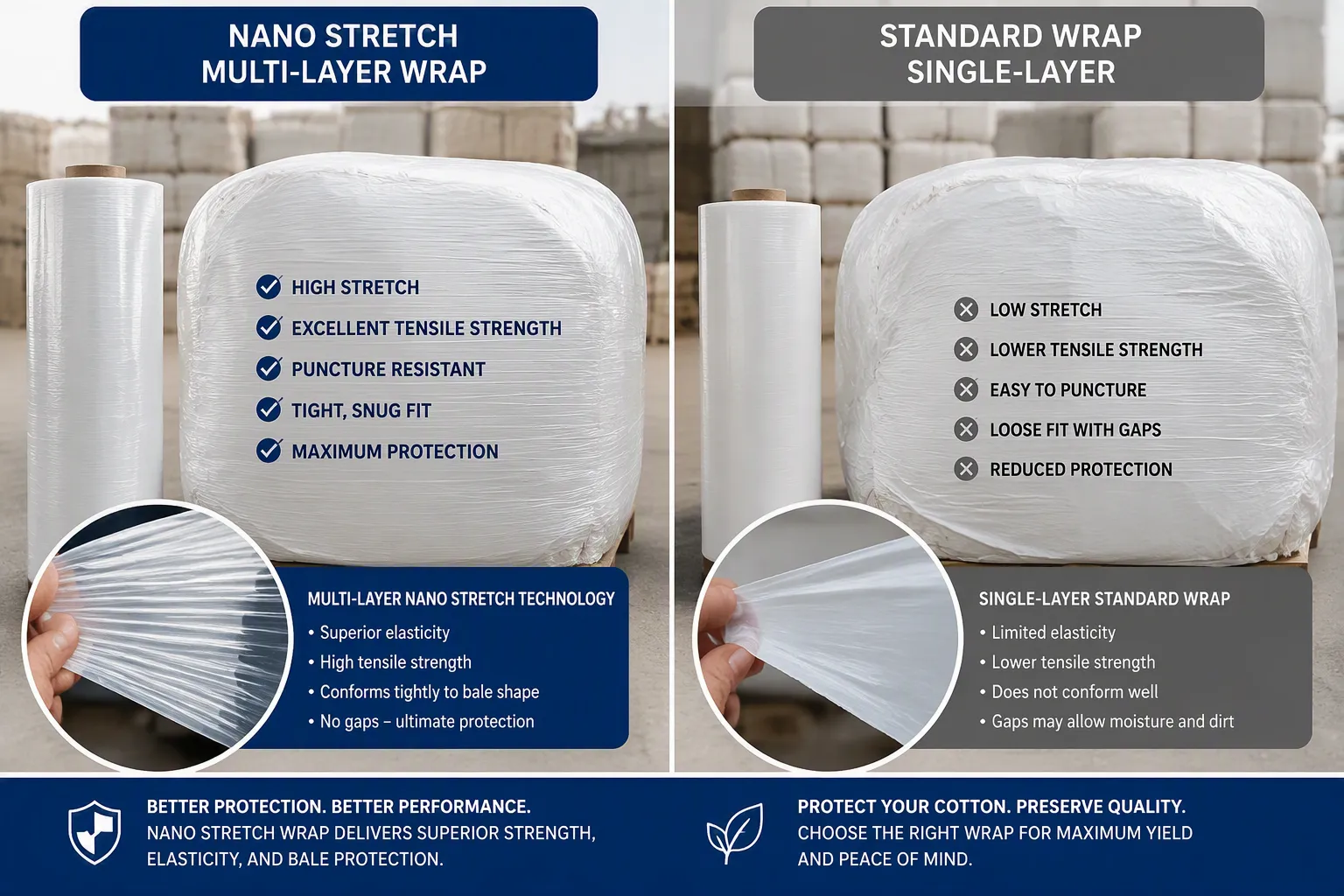
Cotton wrap film uses a multi-layer nano stretch design. Think of it as several thin sheets fused into one powerful barrier. Each layer adds a specific job. One layer blocks water. Another layer blocks sunlight. A third layer adds tear resistance. Together, they create a material that outperforms single-layer options by a wide margin.
The film's high tensile strength sets it apart. You can stretch it tightly around a bale without worrying about tears. This tight fit leaves no gaps for moisture or dirt to enter. The film also resists punctures from sticks, stems, and sharp debris that might poke through during handling. When you move bales from the field to storage, the film holds up under stress.
Flexibility matters just as much as raw strength. The film stretches to hug every contour of the bale. This snug fit prevents shifting during transport. It also keeps the bale's shape intact, which makes stacking easier and safer. You get a protective layer that moves with the bale instead of fighting against it.
The table below shows how the two materials compare on key performance measures:
Property
Cotton Wrap Film
Cotton Bale Wrap
Tensile Strength
Excellent, high elasticity
Less elastic, lower resistance to tearing
Elasticity
High (stretches tightly)
Generally less elastic
Resistance to Tearing
High (resists punctures)
Lower
Weathering Resistance
High (UV, moisture resistant)
Lower
This comparison shows a clear pattern. The film wins on every major performance metric. That advantage comes from the multi-layer construction working together as one unit.
Cotton Bale Wrap: Thickness and Breathability
Cotton bale wrap takes a simpler approach. You get a single layer of plastic film with a set thickness. Manufacturers offer different thickness options. Thicker wraps provide more protection but cost more per bale. Thinner wraps save money upfront but leave your cotton more exposed.
The single-layer design limits what the wrap can do. It cannot offer the same level of puncture resistance as a multi-layer film. A sharp stick or a rough edge on equipment can tear through more easily. The wrap also lacks the elasticity of film. You cannot stretch it as tightly around the bale, which leaves small gaps where moisture and dirt can sneak in.
Breathability creates another important difference. The wrap's breathability determines how moisture behaves inside the bale. Complete sealing traps internal moisture and leads to condensation. That condensation creates the perfect environment for mold growth. Controlled breathability allows water vapor to escape while blocking liquid water. This balance prevents mold and keeps bales dry.
ECOPACK designs its cotton bale wrap with high puncture resistance and UV protection. This makes it a reliable choice for diverse climates. The material stands up to sun exposure without breaking down quickly. It also resists the kind of damage that comes from rough handling. For farmers in areas with moderate weather, this wrap offers dependable protection at a lower price point.
Impact on Cotton Quality and Moisture Control
The material you choose directly affects the quality of your cotton. Moisture control stands at the center of this issue. When water reaches cotton fibers, several problems follow. Mold grows. Fibers weaken. Color fades. The cotton loses value at the market.
Cotton wrap film provides superior moisture protection through its 5-layer co-extruded design. This creates a tight molecular web that forms a 100% vapor barrier. An anti-microbial coating on the inside of the film directly tackles mold spores. The airtight wrap seals bales completely, stopping environmental humidity from reaching the cotton fibers. This mechanism keeps bales dry even in humid conditions, preventing mold growth and preserving fiber quality during long-term storage.
The film's moisture protection works through several key mechanisms:
The film provides 100% vapor blockage, ensuring zero moisture ingress and preserving cotton quality for up to 12 months.
It reduces field bale bursts by 99%, which directly minimizes cotton loss during handling and storage.
Total cost savings range from 30-50% due to reduced labor, minimized cotton loss, and lower replacement frequency.
The film maintains at least 70% of its original tensile strength after 1,200 hours of accelerated weathering, ensuring bale integrity over time.
Burlap soaks up water easily, which helps mold grow during storage. Netting and twine leave open spaces that let dust, bugs, and dirt reach the cotton. PE cotton wrap film fixes all these issues completely. The 5-layer co-extruded build creates a tight seal around every bale. No water can get through the barrier. No dust can touch the fibers.
Cotton bale wrap offers less protection in this area. The single-layer design cannot match the vapor barrier of multi-layer film. In humid conditions, moisture can find its way through small gaps or weak spots. Over time, this exposure degrades fiber quality. For short-term storage in dry climates, the wrap performs adequately. For long-term storage or wet conditions, you take a risk with every bale.
The choice comes down to what you value. Cotton wrap film offers superior strength, flexibility, and moisture control. Cotton bale wrap offers lower upfront costs and adequate protection for short-term needs. Your climate, storage duration, and quality requirements should guide your decision.
Application Process
The way you put on each product changes how you work. Cotton wrap film works with new automated machines. Cotton bale wrap lets you use manual or semi-automated methods. Your equipment and labor choices decide which process fits your farm.
Automated Application with Cotton Wrap Film
Cotton wrap film works with the newest cotton pickers. Machines like John Deere cotton pickers apply the film right in the field. The bale forms inside the machine. The film wraps around it by itself. You never touch the bale with your hands. This saves time and reduces physical strain on your crew.
Equipment Requirements and Setup
You need a cotton picker with a built-in wrapping system. Most new pickers come with this feature already. Older models may need a retrofit kit. Check with your equipment dealer to make sure it works before buying film. Setup takes only minutes. You load a roll of film into the machine's dispenser. The machine does the rest automatically. You do not need special training to run the system. The picker's computer watches film tension and coverage. It warns you if the film runs low or if a wrap fails. This automation removes guesswork from the process.
Speed and Efficiency Gains
Automated wrapping gives you big speed gains. One picker can wrap hundreds of bales each day without stopping. The machine wraps each bale rapidly, enabling continuous operation. Your crew does not need to follow behind the picker to wrap by hand. This frees workers for other jobs like hauling bales or managing equipment. The tight, even wrap also cuts down on re-wrapping. You spend less time fixing bad wraps and more time harvesting. For large farms, these gains mean lower labor costs and faster field turnaround.
Manual or Semi-Automated Bale Wrap Application
Cotton bale wrap offers a different way. You can put it on by hand or with semi-automated tools. This flexibility makes it easier for smaller farms with less machinery. You do not need a new picker to use this product. Your current tools often work fine.
Labor Intensity and Skill Needed
Manual application takes more hands-on work. You or your crew must place the wrap around each bale by hand. This takes time and physical effort. Manual application requires time and effort; a typical crew can wrap a bale, with the time depending on experience. The skill level needed is moderate. You must learn how to secure the wrap tightly and overlap edges correctly. Poor technique leads to loose wraps that let moisture in. Semi-automated applicators cut some labor. These tools hold the roll and help you unroll it around the bale. They still need manual positioning but reduce physical strain a lot.
Compatibility with Existing Tools
Cotton bale wrap works with many types of existing equipment. You can use it with older round balers that lack built-in wrapping systems. You can also apply it by hand with simple tools like knives and tape. This compatibility means you do not need to buy new machinery. Many farmers already own the basic tools for manual application. Semi-automated applicators are affordable and easy to store. They attach to tractors or work as standalone units. This versatility makes cotton bale wrap a practical choice for farms that want to avoid big equipment upgrades.
ECOPACK provides technical support and material selection guidance to help you improve your wrapping process. Their team can recommend the right film or wrap for your specific equipment and climate. This support ensures you get the best performance from whichever product you choose.
Cotton Wrap Film: Durability and Storage Performance
The true test of any bale cover comes over time. You might wrap a bale perfectly today. But will it hold up next month? What about next season? The answer shows a big difference between cotton wrap film and cotton bale wrap.
Long-Term Storage with Cotton Wrap Film
Cotton wrap film takes in heat and stays strong in tough weather. This makes it the best choice for farmers who need to store bales for months, not weeks. The multi-layer design works hard to keep your cotton safe from the elements.
Resistance to Weather and Pests
Weather hits your bales from all sides. Rain soaks them. Sun shines down on them. Wind blows dirt into every crack. Cotton wrap film handles these problems with ease. The film's UV resistant properties stop it from breaking down under direct sunlight. You can keep modules outdoors for up to 8 months. The film stays strong across temperatures from -10°C to 40°C. That range covers most farming areas in the United States.
Pests cause another problem. Rodents, insects, and birds can hurt unprotected cotton. The tight seal of cotton wrap film leaves no gaps for them to enter. The smooth surface gives pests nothing to grab or chew through easily. This protection makes your stored cotton last much longer.
Premium wraps with high HALS loading can protect modules for six months or more in direct sunlight. Inferior films may fail within weeks.
The UV stabilization matters more than you might think. For long field storage, ask the manufacturer about HALS loading. This ensures six months or more of UV protection. This simple check saves you from finding failed wraps halfway through storage.
Maintaining Fiber Integrity Over Months
Cotton quality decides your profit. Fiber that stays clean and dry brings higher prices at the gin. Cotton wrap film keeps that quality through its great moisture barrier. The 5-layer co-extruded design blocks vapor completely. Your cotton stays at the same moisture level as when you wrapped it.
The film's high tensile strength keeps the wrap intact during handling and stacking. You can move bales many times without worrying about tears or holes. This toughness means you don't need to re-wrap bales before transport. The table below shows how different wrap types handle UV exposure:
Wrap Type
UV Stabilization Duration
Standard Agricultural Wrap
3-6 months
Premium Multi-Layer Module Wrap
12+ months
Film-wrapped bales also maintain their quality for potential livestock feed uses.
Short-Term Storage with Cotton Bale Wrap
Cotton bale wrap serves a different purpose. You might only need to protect bales for a few weeks before going to the gin. In those cases, the simpler wrap gets the job done. But you must understand its limits.
Limitations in Harsh Conditions
Cotton bale wrap doesn't have the multi-layer strength of film. A single layer can't match the puncture resistance or the vapor barrier of a 5-layer design. In heavy rain or extreme heat, the wrap breaks down faster. You might need to re-wrap bales that sat too long in the field.
Risk of Degradation and Spoilage
The longer bales sit, the higher the risk. Moisture finds weak spots in the wrap. Mold grows. Fiber quality drops. Spoilage costs you money at the market. For short-term storage in dry conditions, cotton bale wrap works fine. For anything longer, you risk your crop's value.
Cotton Bale Wrap: Cost and Environmental Impact
Money matters on every farm. You need to know what each option costs today and what it costs over time. The price tag on the roll is only part of the story. You also need to think about re-wrapping, waste, and how long the protection lasts. Environmental impact adds another layer to your decision. Both products affect your land and your community.
Cost Efficiency: Upfront vs. Long-Term Value
The upfront price of each product tells you one thing. The long-term value tells you another. You need both numbers to make a smart choice. Let's break down what you actually pay for with each option.
Initial Investment in Cotton Wrap Film
Cotton wrap film costs more per bale than traditional options. The multi-layer design and advanced materials drive the price up. You also need a compatible cotton picker with a built-in wrapping system. That equipment represents a significant investment. New pickers with wrapping capabilities cost substantially more than older models. Retrofitting an existing machine also adds expense.
But look at what you get for that money. The film's strength means fewer failed wraps. You do not need to re-wrap bales that sat in the field too long. The tight seal keeps moisture out, so you lose less cotton to mold and spoilage. Over a full season, these savings add up quickly. Many farmers find the higher upfront cost pays for itself through reduced labor and less waste. The film also protects cotton quality better, which means higher prices at the gin.
Lower Entry Cost of Cotton Bale Wrap
Cotton bale wrap offers a much lower entry point. You can buy a roll for a fraction of the cost of film. You do not need new equipment either. Your existing baler or even hand tools work fine. This makes cotton bale wrap a cost-effective choice for smaller operations or farms just starting out.
The lower price per bale helps you manage cash flow during tight seasons. You can buy exactly what you need without a large capital outlay. For short-term storage in dry climates, this cost-effective solution delivers adequate protection. You save money upfront and still get your cotton to the gin in good condition. The trade-off comes when you need longer storage or face harsher weather. Then you might pay more in re-wrapping and lost quality than you saved on the initial purchase.
Modern farmers care about the land. You want to protect your soil, water, and community. The packaging you choose affects all three. Both cotton wrap film and cotton bale wrap have environmental footprints. Understanding those footprints helps you make a responsible choice.
Recyclability and Disposal of Cotton Wrap Film
Cotton wrap film is recyclable. Many agricultural recycling programs accept clean plastic film. You can gather used wraps and send them to a recycling facility. The film's multi-layer construction does not prevent recycling. Modern facilities can process these materials into new plastic products. ECOPACK emphasizes sustainability in its manufacturing processes. The company designs products with end-of-life in mind. Their films meet relevant international standards for safety and quality.
Biodegradability and Waste Management for Bale Wrap
Cotton bale wrap also offers recycling options. Single-layer films are often easier to recycle than multi-layer products. Many local programs accept them alongside other agricultural plastics. You should check with your waste management provider for specific guidelines. Some regions offer collection programs specifically for bale wrap. Proper disposal keeps plastic out of landfills and waterways.
ECOPACK provides customizable options that balance performance with environmental responsibility. You can choose products that match your sustainability goals without sacrificing protection. The company's commitment to eco-friendly manufacturing means you get quality products that respect the land you work.
Best Use Cases
Your farm's size, tools, and how long you store bales should help you decide. No single product works best for every farm. The right choice depends on matching the material to your own operation. Let's look at the most common situations.
Large-Scale Farms with High Mechanization
Big farms have different needs than small ones. You need speed, steady results, and less work. Every hour spent wrapping by hand costs you money. Every bad wrap puts your crop at risk. For farms with modern machines, cotton wrap film meets all these needs.
Why Cotton Wrap Film Excels Here
Cotton wrap film works great with automated cotton pickers. The film's even thickness and stretch give a tight wrap and strong hold. This makes bales more stable for moving, stacking, and hauling. You can move bales without worrying about them shifting or falling apart.
The film also moves through machines without jamming or breaking. This smooth automatic process lets you wrap nonstop with few delays. Your picker keeps going through the field instead of stopping for fixes. The result is more wrapped bales each hour while keeping steady protection.
Cotton wrap film has great weather resistance and a strong moisture barrier that keeps bales dry and free from mold. Its stretch keeps the wrap tight even after many moves, keeping bales solid during handling and long trips — unlike old wrap, which can tear or come apart, letting dirt get to the cotton.
This toughness matters when you move bales many times. From field to trailer to storage, each step stresses the wrap. Film holds up where other materials fail.
Case Example: 1,000-Acre Operation
Think of a 1,000-acre farm in the Mississippi Delta. You run three modern cotton pickers with built-in wrapping systems. Each machine wraps hundreds of bales every day. Your crew focuses on hauling and stacking instead of wrapping by hand.
With cotton wrap film, you finish harvest faster. The automated system wraps each bale quickly, enabling high throughput. Your crew never touches the film. They just move finished bales to the staging area. Over a full season, you save hundreds of hours of work. The film's strength means you rarely re-wrap bales. Your cotton stays clean and dry through months of storage. At the gin, you get top prices for high-quality fiber.
Small Farms with Limited Equipment
Smaller farms often don't have machines for automated wrapping. You might use an older baler without a wrapping system. Or you might wrap bales by hand with basic tools. For these situations, cotton bale wrap gives a practical choice.
When Cotton Bale Wrap Makes Sense
Cotton bale wrap works well when you need simple and low upfront costs. You can put it on by hand or with semi-automated tools you already have. No expensive machine upgrades needed. The lower price per bale helps you stick to tight budgets. You buy only what you need for the season.
This option also works for farms that store bales for a short time. If you take bales to the gin within a few weeks, the wrap gives enough protection. You avoid paying for extra features you don't need. The wrap's UV resistance and puncture protection handle moderate weather well. For short-term storage in dry climates, this low-cost choice gives solid value.
Case Example: 50-Acre Operation
Think of a 50-acre farm in West Texas. You run one older round baler without a wrapping attachment. Your son helps you wrap bales by hand each afternoon. You usually take cotton to the gin within two weeks of harvest.
Cotton bale wrap fits your farm perfectly. You buy rolls at a local supply store. You and your son wrap each bale manually using basic tools. The lower cost per bale keeps your expenses low. Your cotton reaches the gin in good condition. You don't need the advanced features of film because you don't store bales long-term.
Climate and Storage Duration Considerations
Your local weather and how long you store bales should guide your final choice. These two factors often matter more than farm size alone.
Humid or Rainy Regions: Film Wins
High humidity and frequent rain create the hardest conditions for stored cotton. Moisture finds every weak spot in a wrap. Mold grows quickly in warm, damp places. Fiber quality drops fast when water reaches the cotton.
Cotton wrap film gives a complete vapor barrier that keeps moisture out completely. The multi-layer design blocks humidity from reaching your bales. You can store bales outdoors for months without losing quality. The film's strength also resists damage from wind-blown debris and pests. For farmers in the Southeast or Gulf Coast, film gives peace of mind that bale wrap cannot match.
Dry, Short-Term Storage: Wrap Suffices
Dry areas with low humidity have fewer problems. If you store bales for only a few weeks, you don't need full protection. Cotton bale wrap handles these conditions well enough. The single-layer design blocks dust and light rain. UV stabilizers prevent sun damage during short exposure. You save money without hurting your crop's quality.
ECOPACK offers customizable choices for both situations. You can pick from different sizes and thicknesses to match your needs. Their team helps you choose the right product for your climate and storage plans. This tailored approach gives you good protection without paying too much.
Your choice between these two products comes down to your farm's scale, equipment, and storage timeline. Cotton wrap film delivers superior strength and durability, making it the clear winner for large operations that store bales for months. Its UV protection and moisture barrier keep fiber quality high, saving you money over time. Cotton bale wrap remains a practical option for smaller farms with limited machinery and short-term storage needs. Assess your specific conditions, weigh the trade-offs, and pick the option that fits your goals. Consult equipment dealers or agricultural extension services for tailored advice. ECOPACK offers expert guidance and high-quality products to support your decision.
FAQ
How much more does cotton wrap film cost than cotton bale wrap?
Cotton wrap film costs more per bale at first. The multi-layer design and advanced materials make it pricier. You also need a cotton picker that can wrap bales. But the film cuts down on re-wrapping and cotton loss. Many farmers find that saving money over time beats the higher starting cost.
How long can I store bales with each option?
Cotton wrap film keeps bales safe for up to 8 months outside. The UV stabilizers and vapor barrier block all moisture. Cotton bale wrap works fine for short-term storage of a few weeks. In dry climates, you can stretch that time. For long-term storage, film gives you peace of mind.
Do I need new equipment to use cotton wrap film?
Yes, you need a cotton picker with a built-in wrapping system. Most new pickers come with this feature. Older models may need a retrofit kit. Talk to your equipment dealer before buying film. Cotton bale wrap works with your current baler or even hand tools. No expensive upgrades needed.
How does each option handle moisture and mold?
Cotton wrap film creates a full vapor barrier. The 5-layer co-extruded design stops all moisture from reaching your cotton. An anti-microbial coating prevents mold spores from growing. Cotton bale wrap offers less protection. Single-layer material cannot match the film's moisture control. In humid conditions, you risk mold growth with bale wrap.
Which option works better in sunny, hot climates?
Cotton wrap film has better UV resistance. Premium films stay strong for 12 months or more in direct sunlight. The UV stabilizers stop cracking and breaking. Cotton bale wrap also has UV protection but lasts only 3-6 months. For long field storage in hot regions, film works better.
Are both products recyclable?
Yes, both cotton wrap film and cotton bale wrap are recyclable. Many farm recycling programs accept clean plastic film. Check with your local waste management provider for specific rules. ECOPACK designs products with sustainability in mind. Their manufacturing processes meet relevant international safety standards.
How do I choose between the two options?
Think about your farm size, equipment, and storage time. Large farms with automated pickers benefit most from cotton wrap film. Small farms with limited machinery and short-term storage needs find cotton bale wrap more practical. Your local climate also matters. Humid regions need the film's better moisture barrier. Dry areas can use the wrap effectively.