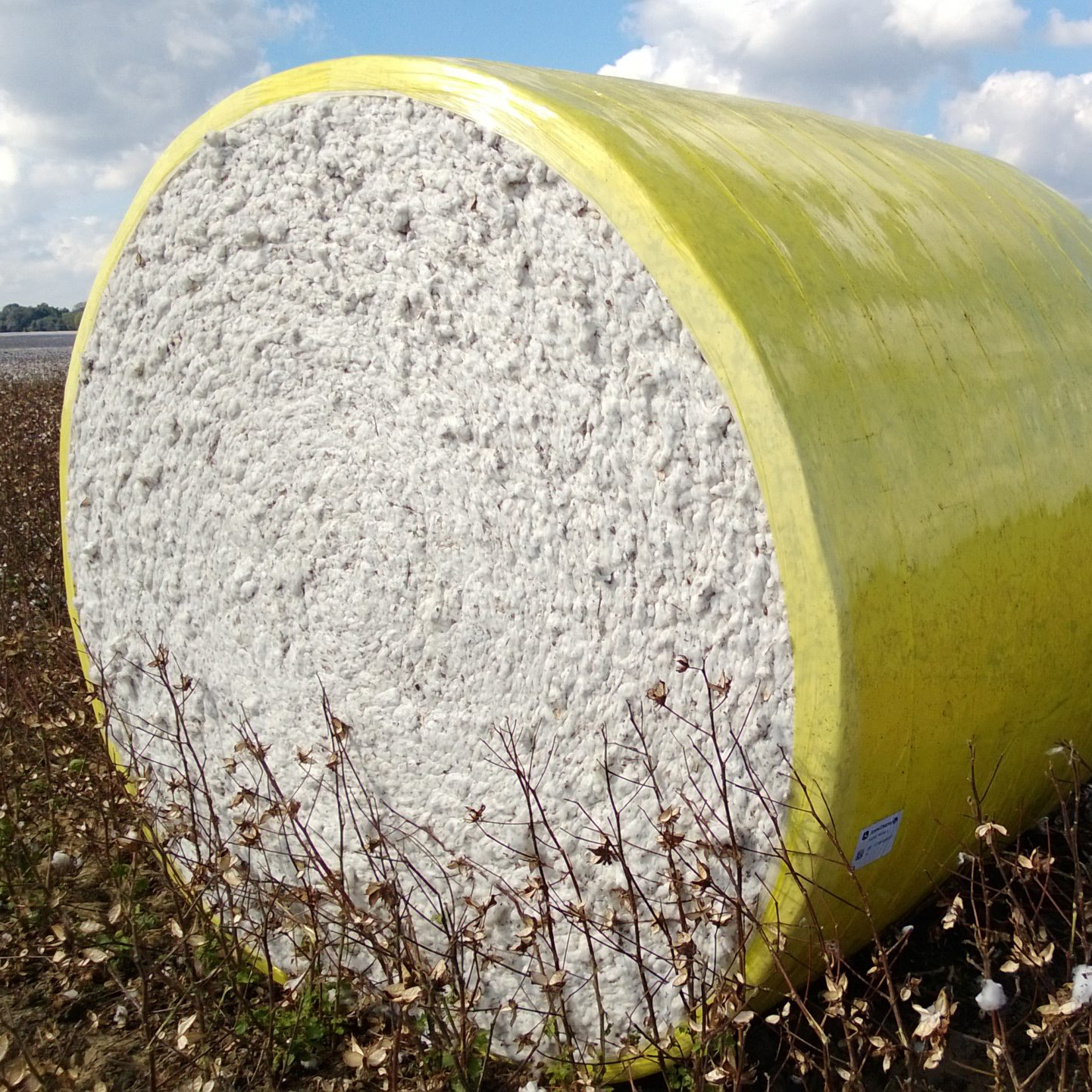
PE cotton wrap film is a special type of plastic packaging. It keeps cotton bales safe during picking and storage. This film is very important in today's farming. Big farms use machines like John Deere CP series pickers. You need to keep your cotton in good shape. You want to know if this film beats older materials. You also want to know if it saves money and helps the environment. This PE cotton wrap film gives great protection. It stops water damage and mold from growing. The cotton wrap keeps your cotton clean. The cotton stays high quality. The wrap and protection make sure your product reaches the market in perfect shape. You can trust this film for your harvest. Keeping your cotton safe and sound starts with the right material.
Key Takeaways
PE cotton wrap film offers strong protection with a 5-layer build, stopping moisture and UV rays to keep cotton quality high for up to 12 months.
This film stops 99% of bale bursts and lowers total costs by 30-50%, so it is a smart, budget-friendly pick for big farms.
It works with major picker brands like John Deere, ensuring smooth operations and saving 15 minutes per bale during unwrapping.
Compared to burlap and netting, PE film fully blocks water and contaminants, keeping cotton pure and protecting its market grade.
This film has 30% recycled material and can be fully recycled, so it helps meet sustainability goals and passes eco-certification standards.
Key Benefits of PE Cotton Wrap Film for Cotton Packaging
When you invest in a harvest, you need packaging that works as hard as you do. PE cotton wrap film delivers that performance through advanced engineering and thoughtful design. This section breaks down the core advantages that make this film the preferred choice for modern cotton operations.
Superior Durability and Moisture Protection
PE cotton wrap film is built with a 5-layer co-extruded design. This strong structure gives the film great toughness. Lab tests show it can handle 26.2 MPa of pull in one direction and 27.7 MPa in the other. It also resists punctures with an impact damage rating of 1232 grams. These numbers mean the wrap can handle rough use, sharp branches, and heavy machinery.
Durability and protection work together. The multi-layer build creates a tight molecular web that resists tearing and stretching. Your cotton bales stay tightly packed and perfectly round from the field to the processing plant. The film keeps 70% of its strength after 1,200 hours of weather exposure when made at a minimum thickness of 6 mil. This long-term strength ensures your bales keep their shape during long storage and transport.
Moisture is the biggest threat to cotton quality. PE cotton wrap film creates a 100% vapor barrier that blocks all moisture from getting in. This keeps bales dry even in humid places. The airtight wrap seals bales completely, stopping environmental humidity from reaching the cotton fibers. An anti-microbial coating on the inside of the film directly tackles mold spores.
The film provides 100% vapor blockage ensuring zero moisture ingress, preserving cotton quality for up to 12 months, and its PE-based stretch film keeps bales dry, preventing mold growth during storage and transport.
This protection is especially useful for operations storing cotton for six months or longer in humid climate regions. The film also includes premium UV inhibitors that block harmful solar radiation. Your cotton stays safe from sun-bleaching and the plastic stays flexible instead of becoming brittle. The 24-month warranty on UV protection gives you confidence for outdoor storage.
Cost-Effectiveness and Operational Efficiency
PE cotton wrap film saves you money through better efficiency. The table below shows the key efficiency metrics that impact your bottom line.
Efficiency Metric
Specific Value
Reduction in field bale bursts
99%
Total cost savings
30-50%
High-speed wrapping capacity
24+ bales/hour
Time saved per bale during unwrapping
15 minutes
The film works smoothly with automated equipment. John Deere CP690 and CP770 pickers run without jams during high-speed wrapping. This automation removes manual bundling steps, directly cutting labor costs. Automated packaging shortens packaging time and boosts production output. You save on per-unit labor time while reducing human errors and labor intensity.
The cost savings go beyond labor. Precise control of tension and pressure minimizes cotton loss and film waste. Fewer bale bursts mean you keep more of your harvest. The anti-fragmentation design avoids micro-plastic fragments, and the non-adhesive inner layer leaves zero residue. Your cotton stays pure, keeping the highest market classification and premium pricing.
The film works steadily from -59°F to 104°F. This all-climate protection prevents brittleness in winter or softening in summer. You get reliable field performance no matter where you are. Gin-friendly peeling allows automated peelers to remove film smoothly, eliminating downtime from tangled machinery.
When you compare costs, PE cotton wrap film costs more upfront than traditional materials. However, the long-term savings tell a different story. Reduced labor costs, minimized cotton loss, and lower replacement frequency make this film a cost-effective solution. For large-scale farms with mechanized systems, the investment pays for itself through operational gains. The superior protection also lowers safety risks, as less manual contact with equipment means fewer work injuries and lower insurance costs.
Applications of PE Cotton Wrap Film in Cotton Packaging
PE cotton wrap film is used in many ways across the cotton supply chain. You will find this flexible material at every step, from field harvest to store shelf. Knowing these uses helps you pick the right film for your farm.
Bale Wrapping and Long-Term Storage
The main use of PE cotton wrap film is wrapping bales during harvest. This film works well with major cotton picker brands. John Deere CP690, CP770, and CP7760 models accept this film without changes. China Railway Construction Heavy Industry, Bo Shiran, Ward, and Swan equipment also run smoothly with this material. The 75-micron thickness and 106-inch width match CP series bale size needs perfectly.
Each roll has 24 wraps. This amount supports high-volume operations handling 1,000 or more bales per day. The even thickness prevents jams during automated wrapping cycles. You keep harvest speed without delays.
Long-term storage needs specific film features. The PE cotton wrap film blocks all moisture. Your bales stay dry through six months or more of humid storage. An anti-microbial coating on the film inside stops mold growth. This protection keeps fiber quality during long outdoor storage.
Best practices for storage wrapping include several key steps. Secure bale tags with extra care to prevent loss. Take extra care when sealing the ends of bales. Make sure the film fully covers the bale with enough overlap for a centered lengthwise seal. For FFS/BSB-1010 systems, form gusseted closures on each bale end and heat seal them. Check that the lengthwise seal is a single, overlapped flat seal with a 0.125-inch wide weld. Press the seal between rollers to make the joint stronger.
The film keeps at least 70% of its original tensile strength after 1,200 hours of accelerated weathering. This toughness ensures your bales stay whole through changing seasons.
Export, Textile, and Retail Distribution
PE cotton wrap film protects cotton during international shipping. The film shields bales from different climates, pests, and physical damage during transit. Export cotton packaging meets international standards, ensuring bales arrive in perfect condition. This protection reduces losses during long ocean trips.
The textile industry depends on this cotton packaging to keep raw fibers clean. The film keeps fibers intact before processing into fabric. Clean fibers produce better-quality textiles. Supply chain reliability improves when you use proper cotton packaging.
Retail packaging uses PE cotton wrap film for smaller amounts of cotton products. Towels, bedding, and apparel benefit from this protective layer. Clear film lets customers see the product inside. The film keeps items fresh and clean. You can print branding and product details directly on the surface for marketing.
Export specifications follow standard pallet setups. Each pallet holds 9 coils, totaling 216 sheets. Pallet dimensions measure 2.88m by 77cm by 94cm. The total pallet weight reaches 950 kg. These standard sizes make logistics planning easier.
You can adjust width, length, thickness, core size, and packaging to match your export needs. Export markets include the US, Brazil, India, Pakistan, Australia, Turkey, and Mexico. Samples are available for quality checks and compatibility testing before you commit to bulk orders.
The cotton picker packaging film you choose affects your entire supply chain. Proper use of PE cotton wrap film cuts waste, protects quality, and ensures your cotton reaches buyers in great condition.
Comparing PE Cotton Wrap Film to Traditional Packaging Materials
PE Film vs. Burlap, Netting, and Twine
For many years, farmers used burlap, netting, and twine to tie up their crops. These materials did a basic job but had big problems. Burlap soaks up water easily, which helps mold grow during storage. Netting and twine leave open spaces that let dust, bugs, and dirt reach the cotton. With these old options, you risk losing fiber quality and getting less money for your crop.
PE cotton wrap film fixes all these issues completely. The 5-layer co-extruded build creates a tight seal around every bale. No water can get through the barrier. No dust can touch the fibers. The film's non-adhesive inner layer means nothing sticks to the cotton when you unwrap it. Old twine and netting often leave bits stuck in the crop or need lots of cleaning before use. The PE film comes off cleanly, keeping your harvest pure. This protection keeps your cotton in the top quality grade. The zero-adhesive design also stops sticky buildup on your picker's rollers, saving you time and repair costs.
PE Film vs. Paper and Other Plastic Alternatives
Paper packaging lets air through but does not block moisture like you need for long storage. Paper rips easily under machine handling and gives little UV protection. Other plastic options, like single-layer films, cannot beat the 5-layer co-extruded design. The table below shows how ECOPACK PE cotton wrap film beats competing products like TAMA film.
Property
TAMA Film
ECOPACK (PE Cotton Wrap)
Strength - Portrait (MPa)
25.1
26.2
Strength - Horizontal (MPa)
27.1
27.7
Elongation at break - Portrait (%)
506
531
Elongation at break - Horizontal (%)
649
611
Right angle tear strength - Portrait (kN/m)
103
110
Right angle tear strength - Horizontal (kN/m)
124
118
Impact damage quality (g)
416
1232
Coefficient of friction (outside/inside) - Static
0.356
0.479
Coefficient of friction (outside/inside) - Kinetic
0.278
0.319
The ECOPACK film has stronger pull strength in both directions. The impact damage rating of 1232 grams is much higher than TAMA's 416 grams. Your cotton wrap can handle rough use, drops, and shipping without tearing. Right angle tear resistance is also better in the portrait direction, adding more toughness. The higher friction numbers help the film hold tight to the bale, stopping slips during stacking and moving. The impact rating of 1232 grams means the film takes three times more force than competing products.
PE cotton wrap film's toughness and impact resistance reduce bale damage compared to traditional materials.
The protection from this advanced cotton packaging beats paper or single-layer plastic options. The 30% post-industrial recycled content also helps the environment without losing performance. You pick a material that guards your crop, cuts waste, and meets eco-certification standards.
Environmental Impact and Future Trends in Cotton Packaging
Recyclability and Sustainable Manufacturing
You need packaging that protects your harvest and the planet. PE cotton wrap film delivers both. The film contains 30% post-industrial recycled polyethylene. This recycled content helps you meet eco-certification standards like SCI and OEKO-TEX. You get a sustainability credential that matters to global textile buyers. The eco-friendly design makes this film a responsible choice for modern farming.
The manufacturing process follows zero-waste principles. Every step minimizes material loss. The film uses fully recyclable LLDPE material. This supports a circular economy where resources stay in use. After you unwrap your cotton bales, you can easily collect and recycle the used film. Some gins even create additional income by selling used film to recycling programs. For bulk orders, a used film recycling program is available with return shipping coverage. This makes sustainability in cotton packaging a practical reality. The recyclability of the film reduces waste and supports your environmental goals.
The non-toxic formulation adds another layer of eco-friendly features. The film contains no heavy metals or harmful plasticizers. This ensures safe contact with natural fibers. Your cotton stays pure from field to mill. The recyclability of PE cotton wrap film means you protect both your harvest and the environment. You choose a cotton packaging option that aligns with your sustainability goals.
Smart Packaging Innovations and Market Growth
Future trends in cotton packaging point toward smarter solutions. RFID integration allows you to track each bale from field to factory. The uniform thickness of the film supports seamless scanning. You gain real-time visibility into your inventory and supply chain. This data helps you reduce losses and improve efficiency. The eco-friendly nature of the film appeals to buyers who value sustainable sourcing.
Market growth continues as more operations adopt sustainable practices. The demand for eco-friendly packaging rises each year. Cotton producers seek materials that balance protection with environmental responsibility. PE cotton wrap film meets both needs effectively. The durability of the film ensures your cotton stays protected during long storage and transport. The protection you get from this advanced material reduces waste and preserves quality.
Smart packaging also includes better traceability. You can print barcodes or add RFID tags directly to the film. The smooth surface accepts clear printing that withstands outdoor conditions. This technology helps you verify the provenance of each bale. Textile manufacturers gain confidence in your supply chain. You position your operation for success in a market that values transparency and eco-friendly practices.
PE cotton wrap film delivers superior protection, cost savings, and environmental benefits. You get a 5-layer co-extruded barrier that blocks moisture, UV rays, and contaminants. The non-adhesive inner layer peels cleanly, keeping your cotton pure. This packaging works across the entire supply chain, from field wrapping to global export. The film's recyclable PE material supports your sustainability goals. Evaluate your current cotton packaging against these performance metrics. Consider the 30% recycled content and zero-waste manufacturing. This film is a strategic investment. It enhances efficiency, reduces losses, and meets market demands for sustainable cotton packaging. Choose PE cotton wrap film for reliable, eco-friendly protection.
FAQ
How does PE cotton wrap film work with my existing harvest equipment?
PE cotton wrap film works smoothly with John Deere CP7760, CP690, and CP770 models. It also fits China Railway Construction Heavy Industry, Bo Shiran, Ward, and Swan machinery. The 75-micron thickness and 106-inch width match standard bale sizes. You do not need to modify your machines for it to work well.
How long can I store wrapped cotton bales outdoors?
You can keep wrapped bales outside for up to 24 months. The film's UV blockers stop sun damage and cracking. The moisture barrier keeps out rain and humidity completely. An anti-microbial coating prevents mold from growing during long storage. Your cotton stays safe through all weather changes.
Is PE cotton wrap film environmentally responsible?
Yes. The film includes 30% post-industrial recycled polyethylene. This helps meet SCI and OEKO-TEX eco-certification standards. The material can be fully recycled through normal commercial programs. A used film recycling program covers return shipping for bulk orders over 50 rolls. You protect your harvest and the environment at the same time.
How do I choose the right PE cotton wrap film for my operation?
Start by thinking about your harvest size, storage time, and weather conditions. High-volume operations need the 24 wraps per roll capacity. Humid areas benefit from the anti-microbial coating. For export markets, check that the 106-inch width fits your shipping needs. Ask for samples to test compatibility before you place large orders.