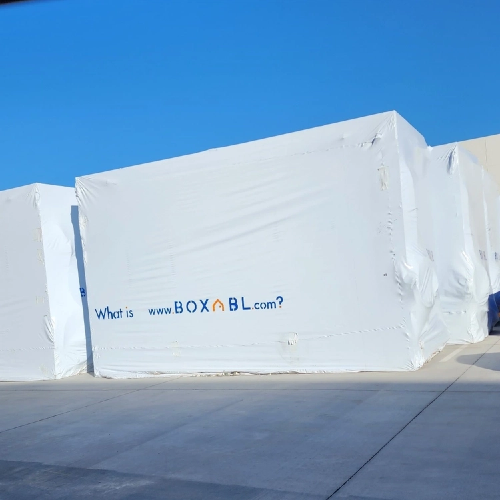
You want to keep your big and important items safe. Heavy-duty polyethylene shrink wrap makes a strong shield against weather, dust, and UV rays. ECOPACK’s Heat Shrink Wrap is special because it is tough and can be used for many jobs. When you use shrink wrap for oversized cargo, it fits tightly and keeps your things safe when moving or storing them. This shrink wrap makes a cover you can trust in hard situations. Many businesses use shrink wrap to protect equipment, vehicles, and buildings.
Key Takeaways
Pick heavy-duty polyethylene shrink wrap for strong protection from weather, dust, and UV rays.
ECOPACK Heat Shrink Wrap gives a custom fit. It helps keep your oversized cargo safe during moving and storage.
Always look at the thickness of the shrink wrap. Thicker wrap gives better support and stops tears for heavy things.
Use shrink wrap instead of tarps or stretch film. It covers better and protects from water and dirt.
Follow the best ways to use shrink wrap. Clean your cargo and seal all seams tight for the best results.
Shrink Wrap for Oversized Cargo
What Is Shrink Wrap?
Shrink wrap is a plastic material that you use to cover and protect items. When you apply heat, the wrap shrinks tightly around the object. This creates a strong seal. You can use shrink wrap for oversized cargo, like large machines, vehicles, or building materials. ECOPACK Heat Shrink Wrap stands out as a heavy-duty option. It works well for freight protection because it forms a barrier against moisture, dust, and sunlight.
You find shrink wrap in many industries. Shipping companies use it to keep goods safe during transport. Construction workers use it to protect buildings and equipment. The wrap comes in rolls or sheets. You cut it to fit your cargo. After you apply heat, the wrap hugs every shape and size. This makes shrink wrap for oversized cargo a smart choice for items that need extra care.
Tip: If you want reliable freight protection, choose a wrap that is thick and weather-resistant. ECOPACK Heat Shrink Wrap offers these features.
How It Protects Large Loads
Shrink wrap for oversized cargo gives you strong freight protection. The wrap covers your items completely. It blocks water, dirt, and UV rays. You keep your cargo safe from rain, snow, and wind. The tight seal stops dust and pollutants from reaching your goods. ECOPACK Heat Shrink Wrap helps you protect valuable equipment and materials.
You can use shrink wrap for oversized cargo in many ways. For example, you cover boats, trucks, or modular buildings. The wrap stays in place even when you move the cargo. It does not flap or tear easily. This means you reduce the risk of damage during shipping or storage. Freight protection becomes easier when you use shrink wrap because it fits every shape.
Here is a simple table that shows how shrink wrap for oversized cargo compares to other methods:
Protection Method | Water Resistance | Dust Resistance | UV Protection | Custom Fit |
Shrink Wrap | High | High | High | Yes |
Tarps | Medium | Low | Low | No |
Stretch Film | Low | Medium | Low | No |
You see that shrink wrap gives you better freight protection than tarps or stretch film. ECOPACK Heat Shrink Wrap makes your job easier because it covers large loads and keeps them safe.
Note: Always check the thickness and strength of the wrap before you use it for oversized cargo. This helps you get the best freight protection.
Types of Shrink Wrap
Polyethylene Options
Polyethylene shrink wrap is used a lot for big cargo. This material keeps out bad weather and dirt. ECOPACK has different kinds, like reinforced sheeting. Reinforced sheeting is stronger because it has a mesh inside. You can use it for heavy machines, boats, or big buildings. It does not rip easily. The seal is tight and keeps your cargo safe.
ECOPACK also has flame-retardant and biodegradable shrink wrap. Flame-retardant wrap is good where fire could happen. Biodegradable wrap is better for the environment. You pick the type that fits your needs best. Polyethylene shrink wrap is good for large or weird-shaped loads. Reinforced sheeting gives a custom fit, which is important for big cargo.
Tip: Pick reinforced sheeting if you need a strong and safe cover for your cargo.
Polyolefin and PVC
Polyolefin and PVC shrink wrap are other choices. Polyolefin shrink wrap is bendy and clear. You use it for smaller things or when you want a smooth look. PVC shrink wrap is strong and lets you see through it. People use it for packing things you buy in stores.
Polyolefin and PVC are not as good for big cargo. They are not as strong as reinforced sheeting. You need shrink wrap that can handle tough weather and heavy stuff. ECOPACK likes polyethylene reinforced sheeting because it protects big items best.
Here is a table that shows how the types compare:
Type | Strength | Flexibility | Best Use |
Polyethylene | High | Medium | Oversized cargo |
Reinforced Sheeting | Very High | Medium | Heavy-duty protection |
Polyolefin | Medium | High | Small items |
PVC | Medium | Medium | Consumer packaging |
Form-fitting shrink wrap covers any shape tightly. You use heat to make it shrink around your cargo. ECOPACK’s reinforced sheeting can fit big or odd-shaped things. The seal is strong and keeps out water, dirt, and sun.
You can ask ECOPACK for special sizes and shapes. Reinforced sheeting is good for boats, cars, and building tools. The wrap stays on during moving or storing. Form-fitting shrink wrap is easy because you do not need extra straps or ropes.
Note: Custom-fit reinforced sheeting helps keep big cargo safe from damage and weather.
Reinforced sheeting is the best for big cargo. It is strong, lasts long, and fits well. ECOPACK gives you many choices, so you can pick the right shrink wrap for your job.
Key Features for Cargo Protection
Thickness and Strength
You need strong shrink wrap when you protect oversized cargo. Thick material gives better support and does not tear easily. ECOPACK’s shrink wrap comes in heavy-duty options. You can trust it to hold up against bumps and rough handling. When you use thick shrink wrap, you stop sharp edges or corners from poking through. This means your cargo stays safe during shipping and storage. You should always check the thickness before you start your project. Thicker wrap works best for large machines, vehicles, and building materials.
UV and Weather Resistance
Sun, rain, and wind can damage your cargo. You want shrink wrap that blocks UV rays and keeps out water. ECOPACK’s shrink wrap gives you weatherproof protection. It keeps your items dry and clean, even in tough weather. The wrap stops sunlight from fading paint or breaking down surfaces. You also keep out dust and dirt. This is important if you store cargo outside for a long time. With the right shrink wrap, you do not worry about rain or sun hurting your equipment.
Tip: Always choose shrink wrap with UV and moisture resistance for outdoor jobs.
Customization and Fit
Every load is different. You need shrink wrap that fits your cargo well. ECOPACK offers custom-fit solutions. You can get wrap in special sizes and shapes. This helps you cover boats, trucks, or odd-shaped machines. When the wrap fits tight, it does not flap or come loose. You get better protection and use less material. Custom-fit shrink wrap also makes your job faster and easier. You save time and keep your cargo safe from damage.
Note: Good fit means better protection for your valuable items.
Comparing Shrink Wrap to Other Methods
Shrink Wrap vs. Tarps
When you protect oversized cargo, you might think about using tarps and shrink wrap. Both options cover your items, but they work in different ways. Tarps can slip or flap in the wind. They often need ropes or straps to stay in place. This can let water or dust get inside. Shrink wrap, on the other hand, forms a tight seal. You use heat to make it fit your cargo. This keeps out rain, dirt, and UV rays. Many shipping companies choose shrink wrap because it does not move or tear easily. You see fewer damage claims when you use shrink wrap instead of tarps.
Note: Shrink wrap gives you a custom fit. Tarps can leave gaps or loose spots.
Shrink Wrap vs. Stretch Film
You may also see stretch wrap used for cargo. Stretch wrap is a plastic film that you pull around items. It sticks to itself and holds things together. People use stretch wrap for boxes or pallets. It works well for small loads. When you have oversized cargo, stretch wrap does not give full coverage. It can leave parts of your cargo open to weather and dust. Shrink wrap covers every part of your item. It seals tightly and protects against wind, rain, and sun. Stretch wrap can tear if you use it on sharp or heavy objects. Shrink wrap stays strong and keeps your cargo safe.
Here is a table to help you compare:
Feature | Shrink Wrap | Stretch Wrap |
Full Coverage | Yes | No |
Weather Protection | High | Low |
Custom Fit | Yes | No |
Tear Resistance | High | Medium |
Cost and Efficiency
You want to save money and time. Shrink wrap helps you do both. You use less material because it fits your cargo exactly. You do not need extra ropes or straps. Stretch wrap can take longer to apply, especially on big items. You may need to use more layers to get good coverage. This adds to your costs. Shrink wrap goes on fast with the right tools. You finish your job quicker and with less waste. Many companies report fewer damage claims and lower shipping costs when they switch from tarps and shrink wrap to only shrink wrap. You also reduce wind drag during transport, which saves fuel.
Tip: The advantages of shrink wrapping include better protection, lower costs, and faster application.
When you compare your options, you see that shrink wrap stands out for oversized cargo. It gives you strong, weatherproof protection and helps you work more efficiently.
Selection and Application Tips
Choosing the Right Shrink Wrap
You want the best protection for your oversized cargo. Start by looking at the size and shape of your items. Measure your cargo and write down the length, width, and height. This helps you pick the right size of ECOPACK Heat Shrink Wrap. Choose a thicker wrap for heavy or sharp-edged items. Thicker wrap gives more strength and lasts longer. If you need extra safety, pick reinforced or flame-retardant options. For outdoor storage, always choose wrap with UV and moisture resistance.
Tip: Ask your supplier for custom-fit options if your cargo has an unusual shape. ECOPACK offers wraps in special sizes and shapes.
Best Practices for Application
You get the best results when you follow the right steps. Clean your cargo before you start. Remove dust, oil, and loose parts. This helps the wrap stick better. Lay out the shrink wrap and cut enough material to cover your item. Make sure you have extra wrap for corners and edges.
Use a heat gun to shrink the wrap. Start at one end and move slowly. Keep the heat gun moving to avoid burning the plastic. Smooth out wrinkles as you go. Seal all seams and edges tightly. For very large or odd-shaped cargo, ask a helper to hold the wrap in place.
Here is a quick checklist:
Clean and dry your cargo.
Measure and cut enough wrap.
Use a heat gun safely.
Seal all seams and edges.
Check for holes or weak spots.
Safety and Common Mistakes
You must stay safe when using heat shrink wrap. Wear gloves and safety glasses. Keep the heat gun away from your skin and flammable items. Work in a well-ventilated area.
Avoid these common mistakes:
Mistake | How to Avoid It |
Using thin wrap | Choose heavy-duty options |
Overheating the wrap | Move the heat gun constantly |
Loose fit | Cut enough material and seal well |
Skipping cleaning | Always clean cargo first |
Note: Take your time and follow each step. Good preparation gives you the best protection for your cargo.
You want your big cargo to be very safe. Heavy-duty polyethylene shrink wrap, like ECOPACK’s Heat Shrink Wrap, covers your items well. It protects them from bad weather. The wrap is thick and blocks UV rays. You can also get it in special sizes. These things help keep your cargo safe when you store or move it. For the best choice, ask a packaging expert or supplier. They can help you pick the right wrap for your needs.
FAQ
How do you choose the right thickness for shrink wrap?
You should match the thickness to your cargo’s weight and shape. Heavy or sharp-edged items need thicker wrap. Lighter loads can use thinner wrap. Always check the product guide for recommendations.
Can you use ECOPACK Heat Shrink Wrap outdoors?
Yes, you can use ECOPACK Heat Shrink Wrap outdoors. It resists UV rays, rain, and wind. Your cargo stays protected from weather and sunlight.
You need a heat gun, gloves, and safety glasses. A helper can make the job easier for large items. Always follow safety tips.
Tip: Clean your cargo before wrapping for the best results.
Is shrink wrap reusable?
No, you cannot reuse shrink wrap. Once you apply heat, the wrap forms a tight seal. You must use new wrap for each job.
What makes ECOPACK Heat Shrink Wrap different from regular tarps?
ECOPACK Heat Shrink Wrap gives you a custom fit and strong seal. Tarps can flap or let in water. Shrink wrap stays tight and keeps out dust, moisture, and UV rays.