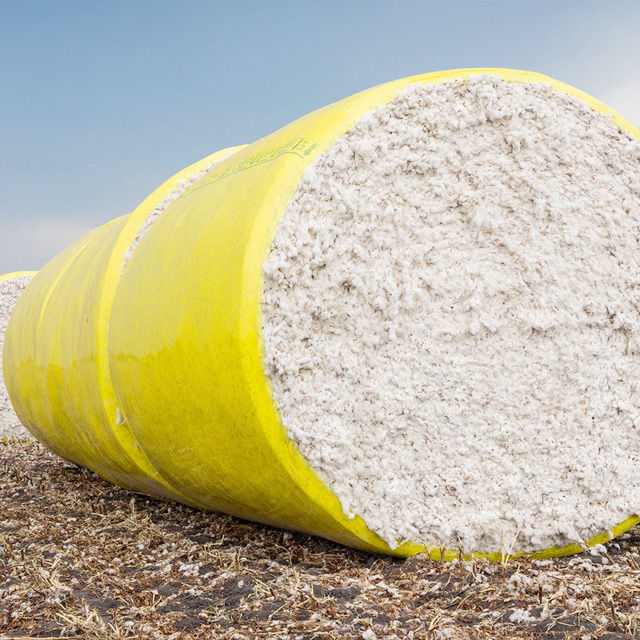
The top cotton wrap film options for John Deere harvesters in 2026 are TamaWrap, Super Cotton Wrap, ECOPACK, JEDIRO, and TSPLAS. Your choice of cotton bale wrap film directly affects how well John Deere cotton pickers like the CP690 and CP770 perform. During cotton picking, a weak film causes tension faults, stopping harvest and wasting labor. This reduces your cotton yield by delaying bale pickup. Poor film also fails to protect cotton bales from moisture, leading to rot. The right film ensures seamless operation and long-term storage. Our rankings focus on durability, UV protection, harvester compatibility, and cost per bale.
Key Takeaways
Pick the correct film to prevent tension problems and keep your cotton harvest safe.
TamaWrap fits easily with John Deere harvesters for trouble-free use.
Super Cotton Wrap is strong and comes off clean, so it works well for fleets with different machines.
ECOPACK gives you 24 months of UV protection for a fair price.
JEDIRO and TSPLAS are dependable, low-cost choices for storing crops for a short time.
Choose film width and UV protection that fit your John Deere model and how long you plan to store the bales.
To find the real value, figure out the cost for each bale, not just the price of one roll.
TamaWrap: Co-Developed with John Deere
When you run a John Deere CP690 or CP770, you want a film that works with the machine, not against it. TamaWrap stands apart because engineers developed it in direct collaboration with John Deere. They designed and trialed this cotton wrap film together, ensuring a perfect fit for all Cotton Harvesters. This partnership means you get seamless integration with the baler mechanisms. You avoid the tension faults and misalignment issues that plague operators using generic films. For growers who value uptime, this trouble-free performance makes TamaWrap a compelling choice.
Key Specs & Compatibility
Fits CP690, CP770, and 7760 Models
TamaWrap fits the most popular John Deere models on the market. You can use it on the CP690, CP770, and the older 7760 without modification. The film's dimensions match the baler chamber requirements precisely. Each roll comes with a black-dot installation mark on the core, so you can load it correctly every time. This simple feature reduces setup errors and saves you valuable time during harvest season.
Specification
Value
Product Name
Z-Lock TamaWrap 24 Wraps R4 Blue
Diameter
10 in.
Color
Blue
Units per Pallet
9
Wraps per Roll
24
Optimized Tension for John Deere Balers
The film's tension characteristics align perfectly with John Deere's baler settings. You get consistent wrap application across every bale. The Z-Lock design keeps the film secure during the wrapping cycle. This prevents slippage and ensures each cotton bale receives uniform coverage. The result is a tighter, more stable module that holds its shape during transport and storage.
UV Protection & Durability
Extended Field Storage Capability
TamaWrap offers powerful UV protection that enables your module to hold outside for six months under extreme sun radiation. This durability period matters when you cannot haul bales to the gin immediately. The film's UV stabilizers slow degradation from sunlight, keeping the cotton inside protected. You can leave modules in the field with confidence, knowing the wrap will maintain its integrity.
Tear and Puncture Resistance
The film's construction delivers strong resistance against tears and punctures. Sharp stalks and debris in the field will not easily compromise the wrap. The "Over The Edge Protection" feature prevents cotton loss and blocks rainfall while holding the shoulders of the module. This design detail keeps your cotton bales safe from the elements and from physical damage during handling.
Pros, Cons & Value
Pros: Seamless Integration, Low Breakage
The biggest advantage is seamless integration with your John Deere equipment. You also get the Tama Cut Indicator™, which helps you locate the recommended cutting zone. This minimizes the risk of cotton contamination during bale opening. Each roll carries its own ID number and a unique serial number for traceability. Four RFID tags on every TamaWrap+® provide ultimate traceability throughout the supply chain. Tama Assist Support gives you professional technical assistance from both Tama and John Deere's cotton experts.
Cons: Premium Pricing
The main drawback is the premium pricing. You pay more for this level of integration and reliability. However, the reduced downtime and lower breakage rates often offset the higher upfront cost.
Cost Per Bale Analysis
When you calculate cost per bale, TamaWrap's value becomes clearer. Fewer breakages mean less wasted film and fewer interruptions. Each roll provides 24 wraps, giving you predictable coverage. The durability and protection you gain reduce the risk of spoilage, which protects your cotton's market value. For high-volume operations, this reliability translates directly into bottom-line savings.
Super Cotton Wrap: High-Strength Alternative
When you run a mixed fleet of John Deere harvesters, you need a cotton wrap film that works on many models without issues. Super Cotton Wrap stands out because it is very strong. Its smart design handles tough cotton harvesting conditions while keeping your modules safe. If you want durability and easy removal, this film is a solid choice.
Key Specs & Compatibility
Fits Many John Deere Harvester Models
Super Cotton Wrap works with the CP7760, CP690, and CP770 models. This makes it a great option for farms with different John Deere machines. You do not need to change films when switching between harvesters. The film's size matches the baler chamber of each model, so you get proper tension and wrap coverage. This cuts setup time and makes inventory easier to manage. You can keep one film type for several machines, which lowers your supply costs.
The film's design works with the wrapping systems of these John Deere models. It keeps steady tension during the baling cycle. You avoid the film breaking or slipping that can happen with less compatible wraps. This reliability matters when you run several harvesters at once. You can count on Super Cotton Wrap to perform the same across your fleet.
Layer Structure and Thickness
Super Cotton Wrap uses multiple layers to increase its strength. The film's thickness is set for high-stress jobs. Each layer has a role: the outer layers resist UV damage and rubbing, while the inner layers stop punctures. This build gives the film its high tensile strength. You get a wrap that stretches without tearing, even on dense, heavy cotton bales.
Specification
Value
Typical Thickness
Engineered for high-strength wrapping
Number of Layers
Multi-layer construction
Core Size
Standard for John Deere balers
Width Options
Full coverage for John Deere models
Tensile Strength
High (exceeds industry minimum)
The multi-layer design also helps the film lay flat. You get a smooth wrap that lowers the chance of weak spots. This evenness helps you make tight, stable modules that keep their shape during transport and storage.
Long-Term Bale Protection
Clean Removal Without Residue
When you open a cotton module at the gin, you want the wrap to come off easily. Super Cotton Wrap leaves no sticky residue on the cotton. This is key because leftover film pieces can dirty the lint and lower its grade. The film's special formula stops it from sticking to the cotton fibers. You get easy removal without extra cleaning steps. This clean removal keeps your cotton bales high quality and protects their market value.
The film's surface treatment also reduces static cling. This stops the wrap from sticking to itself as it unwinds. You save time when opening bales. Your crew can work faster and with less hassle. The result is a smoother process from field to gin.
Weather Resistance
Super Cotton Wrap handles weather well. The film's UV stabilizers slow damage from sunlight. You can leave modules in the field for the necessary time without losing much wrap strength. The film also blocks moisture. Rain and dew do not get through the wrap, so the cotton stays dry. This protection stops rot and mold from forming inside the module.
The film's weather resistance also covers temperature changes. It works well in hot, sunny conditions without turning brittle. In cold weather, the film stays flexible, though it gets a bit stiffer. This stiffness does not cause breaks under normal use. You can still wrap and move modules safely during cooler harvest times.
Pros, Cons & Value
Pros: Strong and Clean Removal
The best feature of Super Cotton Wrap is its high tensile strength. This lets the film stretch tightly around the module without breaking. You get a secure wrap that holds the cotton firmly. The strength also cuts down on breaks during wrapping, saving you time and material. Clean removal is another big plus. The film leaves no residue on the cotton, so fiber quality stays high. These two features make Super Cotton Wrap a strong choice for tough jobs.
Cons: Gets Stiffer in Cold Weather
The film gets a bit stiffer in cold weather. This means you may need to adjust tension settings on your baler when temperatures drop. The film does not turn brittle, but it needs more force to stretch. Operators in colder areas should plan for this change. Still, the film works reliably even in cooler conditions.
Bulk Pricing Options
Super Cotton Wrap offers bulk pricing for big orders. You can buy pallets of rolls to lower your per-unit cost. This pricing helps farms with high yearly volumes. You can ask for discounts based on how much you order. The bulk pricing makes Super Cotton Wrap a smart buy for operators who need steady, strong film across multiple harvesters.
ECOPACK Anti-Aging Cotton Wrap Film
When you need a cotton wrap film that protects for a long time without costing too much, ECOPACK is the best choice. This anti-aging film gives you 24 months of UV protection, just like the pricier brands. ECOPACK is an experienced manufacturer known for innovation and environmental responsibility. You get a product that keeps your cotton safe and helps the planet.
Key Specs & Compatibility
2.7-Meter Width for CP690, CS690, CP770
ECOPACK makes its wrap 2.7 meters wide for John Deere harvesters. This size fits the CP690, CS690, and CP770 models just right. You do not need to change the film or alter your equipment. The roll goes into the baler chamber easily. The exact width covers the whole module. You avoid gaps that let in moisture. The film wraps tight around the cotton for a secure seal. This design cuts waste because you use the right amount of film for each bale.
Multi-Layer Nano Stretch Technology
ECOPACK uses multi-layer nano stretch technology to make its film. This method creates a wrap that is strong and flexible. Each layer adds a special quality. The outer layers resist UV damage and rubbing. The inner layers stop punctures and allow stretching. The nano tech lets the film stretch without ripping. You get a tight wrap that holds the module together during moving and storage. The film also lies flat, so there are no weak spots. This means every bale gets the same protection.
UV Protection & Durability
24-Month Anti-Aging UV Protection
The anti-aging features of ECOPACK film make it stand out from others. You get 24 months of UV protection. This means you can leave cotton modules in the field for two full seasons without worrying about sun harm. The UV stabilizers in the film slow down wear. The wrap does not get brittle or crack in strong sunlight. This long-lasting protection means you do not have to move bales right after harvest. You can plan your hauling around gin schedules and market prices.
High Puncture and Tear Resistance
ECOPACK film resists punctures and tears very well. The multi-layer build gives the wrap a tough outer shell. Sharp stalks, rocks, and debris do not easily break through the film. The table below shows how ECOPACK compares to a top brand.
The portrait tear strength of 110 kN/m beats the baseline. The impact damage quality of 1232 grams shows ECOPACK resists punctures nearly three times better than the reference. This strong protection means fewer bale failures and less cotton loss. You can trust the film to hold up in tough field conditions.
Pros, Cons & Value
Pros: Exceptional Value, Long UV Life, Eco-Friendly
ECOPACK has several good points. The great value comes from long-term protection at a fair price. You do not give up quality to save money. The 24-month UV life gives you storage options. You also get ECOPACK's promise to be eco-friendly. The company uses green materials and methods. This lowers your carbon footprint while keeping your harvest safe.
Cons: [None to Highlight]
ECOPACK works well in all important areas. You get a product that does what you need without any trade-offs.
Cost-Effective Per Bale
When you figure the cost per bale, ECOPACK saves you money. The film's strength cuts down on breaks and waste. The long UV protection means you do not have to haul early. You save on labor, fuel, and equipment costs. The 2.7-meter width means you use the right amount of film. For most John Deere operators, ECOPACK gives the best mix of protection and price.
JEDIRO & TSPLAS: Reliable Alternatives
Not every farm needs the top features of TamaWrap or the long UV life of ECOPACK. Some growers have shorter harvest times or send bales to the gin in a few weeks. For these jobs, JEDIRO and TSPLAS give good protection without the high price. These two brands work well where it matters: keeping your cotton bales whole and dry during the key time after harvest.
JEDIRO: Precision Width for John Deere
JEDIRO focuses on getting the basics right. The brand builds its film for John Deere baler chambers. So you get a product that fits without any guesswork. This attention to detail makes JEDIRO a smart choice for operators who want steady performance at a fair cost.
Precision Width Compatibility
JEDIRO makes its cotton wrap film in a precision width designed for John Deere harvesters. This size fits the CP690, CS690, and CP770 models. The exact sizing means the film covers the whole module surface without gaps or overlap waste. You load the roll, and the baler applies it evenly across the cotton. The precise width also lowers the chance of film misalignment during the wrapping cycle. When the film sits right, you get a tighter seal that keeps moisture out and holds module shape during transport.
Consistent Film Tension
The film's manufacturing process ensures uniform thickness across the whole roll. This gives steady tension as the baler wraps each module. You avoid thin spots that cause breakage and thick areas that waste material. JEDIRO's film feeds smoothly through John Deere's wrapping parts. This reduces the risk of jams or misfeeds. For operators running several harvesters, this predictability means fewer adjustments between machines and less downtime during peak harvest.
TSPLAS: Universal Fit
TSPLAS takes a different approach. Instead of focusing on a few models, the brand designs its film to work across all John Deere cotton harvester types. This versatility makes TSPLAS a handy option for farms with mixed equipment or those planning to buy new machines in the coming seasons.
Compatible with All Major John Deere Models
TSPLAS fits the 7760, CP690, CP770, CS690, and CS770 models without any changes. You can use the same film for your whole fleet. This makes ordering and storage simple. You do not need to remember which film goes with which harvester. The universal fit also helps when you rent extra equipment or trade in older models. One film type covers all your needs.
Balanced Performance and Price
TSPLAS delivers middle-ground performance that works for most field conditions. The film offers good tear resistance for normal harvesting and enough UV protection for short-term storage. You get dependable coverage without paying for features you may not need. This balance makes TSPLAS a good choice for growers who want cost efficiency while still protecting their harvest.
Pros, Cons & Value
Pros: Affordable, Reliable Protection
Both JEDIRO and TSPLAS give solid protection at a lower price than premium brands. You get a cotton wrap film that holds modules together, blocks moisture, and resists punctures during handling. For operations that move cotton quickly to the gin, this level of protection meets all your needs. The cost savings per roll add up a lot across a full harvest season.
Cons: Shorter UV Protection Window
The main trade-off is UV protection. These films do not offer the long 24-month anti-aging properties you find in ECOPACK or the six-month field storage of TamaWrap. Their UV stabilizers break down faster under strong sunlight. If you leave modules in the field for a long time, the film may become brittle and crack. This weakness lets moisture and dirt into your cotton bales.
Best for Short-Term Storage
Use JEDIRO or TSPLAS when you plan to send modules to the gin within a few weeks of harvest. These films work great for short-term storage and transport. If your operation usually moves cotton quickly, you can save money without losing protection. But if weather delays or gin backlogs might stretch your storage time, think about buying a film with longer UV durability.
Top Cotton Wrap Film Comparison
You now have detailed profiles of all five leading cotton wrap film brands. The next step is seeing them side by side. This comparison helps you match the right film to your specific operation. You will examine thickness, UV protection, width, and pricing. Then you can decide which product fits your harvest schedule and budget.
Specs at a Glance
The table below summarizes the key specifications for each brand. Use it as a quick reference when you talk to suppliers or compare quotes. You can see the differences in construction and protection at a single glance.
Thickness and layer count determine how well the film resists punctures and tears. Super Cotton Wrap offers high tensile strength for demanding conditions. ECOPACK uses multi-layer nano stretch technology. The nano layers create a strong yet flexible barrier. TamaWrap, JEDIRO, and TSPLAS also use multi-layer designs, though their exact thickness varies by production batch. You should ask your supplier for the specific technical data sheet. This document shows you the exact tear strength and puncture resistance values for each roll.
UV Protection Duration
UV protection duration directly affects how long you can leave cotton bales in the field. ECOPACK leads the group with 24 months of anti-aging protection. This means you can store modules for two full seasons without worrying about sun damage. TamaWrap offers six months of field storage under extreme sun radiation. This suits most harvest-to-gin timelines. Super Cotton Wrap provides moderate UV resistance that handles typical storage periods. JEDIRO and TSPLAS offer shorter UV windows. These films work best when you move cotton quickly after harvest. If you face gin backlogs or weather delays, choose a film with longer UV life.
Price and Value Comparison
Price per roll matters, but you should also consider cost per bale. A cheaper roll that breaks often costs more in the long run. You waste film, lose time, and risk cotton damage. The table below shows the pricing structure for cotton wrap film based on order quantity.
Quantity (pieces)
Price per roll ($)
10–499
390
500–999
370
1000+
360
Cost Per Roll vs. Cost Per Bale
You can see the volume discounts clearly. Ordering 500 rolls saves you $20 per roll compared to smaller orders. Ordering 1000 rolls saves you $30 per roll. These savings add up quickly across a full harvest season. However, you must factor in the cost per bale. A premium film like TamaWrap costs more upfront but breaks less often. Fewer breaks mean less wasted material and fewer interruptions. ECOPACK offers a similar advantage with its high puncture resistance. The impact damage quality of 1232 grams shows you get nearly three times better puncture resistance than the baseline. This strength reduces bale failures and protects your cotton yield.
Best Use Case Summary
Your specific situation determines the best choice. If you run a John Deere CP690 or CP770 and want perfect integration, choose TamaWrap. The co-development with John Deere ensures trouble-free operation. If you manage a mixed fleet with multiple harvester models, Super Cotton Wrap gives you versatility and strength. For most operators, ECOPACK offers the best overall value. The 24-month UV protection rivals premium brands at a competitive price. You also support sustainability with eco-friendly manufacturing. If you move cotton to the gin within weeks, JEDIRO or TSPLAS provide reliable protection at a lower cost. These films handle short-term storage without issues.
Consider your field conditions and storage plans before ordering. High-yield crops and abrasive environments demand stronger films. Long storage periods require extended UV protection. Match the film to your reality, not just the price tag. This approach protects your investment and keeps your harvest safe from field to gin.
How to Choose the Right Cotton Wrap Film
Picking the right film for your John Deere harvester does not have to be hard. You already know your machine, your fields, and how you store bales. The choice is about matching those three things to the best product. This part shows you how to do that step by step.
Match Film to Harvester Model
Your harvester model decides the film width and tension you need. John Deere balers work fast with exact wrapping cycles. The film must match that precision to stop jams and misfeeds.
CP690 vs. CP770 Requirements
The CP690 and CP770 have similar baler chambers, but they differ in speed. The CP770 handles more cotton per hour. This means the film faces more stress during use. You need a wrap with high strength to handle that stress without breaking. The CP690 runs a bit slower, so standard multi-layer films work fine. Both models need a film made for John Deere's automatic baling process. Generic wraps may feed unevenly, causing tension faults that stop your harvest.
Width and Roll Size Considerations
Width matters more than most operators think. A film that is too narrow leaves gaps at the bale edges. A film that is too wide creates waste and can shift during wrapping. For CP690, CS690, and CP770 models, a 2.7-meter width gives full coverage without extra. Check the core size too. Most John Deere balers use a 3-inch core. Make sure of this before ordering large amounts. Roll size affects how often you stop to reload. Bigger rolls mean fewer stops during picking, which helps your daily cotton yield.
Assess Field Conditions
Your fields have their own challenges. High-yield crops make dense, heavy bales that stress the film. Rough fields with sharp stalks and debris need stronger puncture resistance. Climate and storage time decide how much UV protection you need.
High-Yield and Abrasive Environments
Dense bales need very strong film during formation. High-tensile wrap stretches tightly around fresh lint layers. This tight stretch holds the bale shape and stops it from shifting during transport. Puncture resistance protects against sharp stalks, which is key in rough fields. The SK Blue cotton wrap, made for John Deere CP770 and CP690, uses multi-cross extrusion technology. This technology boosts physical performance, making it a good choice for tough fields. Special glue also stops cotton from sticking to the wrap. You avoid contamination and keep your cotton bales clean.
Climate and Storage Duration
Think about how long bales will sit in the field before going to the gin. If you plan to haul within weeks, less UV protection is fine. If gin delays or weather stretch your timeline, you need more UV resistance. Quality wrap uses special UV blockers to stop breakdown in bright sunlight. Good moisture protection against heavy rain keeps raw fiber dry during outdoor storage. For storage beyond a few months, choose a film with 24-month anti-aging properties. This gives you flexibility to wait for better market prices without risking your harvest.
Balance Cost vs. Performance
Price per roll matters, but cost per bale tells the real story. A cheaper film that breaks often wastes material and time. A premium film that works perfectly saves money in the long run. You must weigh upfront costs against long-term protection.
When to Invest in Premium Films
Invest in premium films when you face extreme conditions. High-yield crops, rough fields, or long storage times justify the higher price. Premium wraps give more successfully wrapped bales per roll. They also cut down on costly torn bales, lowering overall field costs despite a higher initial roll price. If you run a mixed fleet with several John Deere models, a versatile premium film simplifies inventory management. You keep one product for all machines, reducing ordering complexity and storage space.
When ECOPACK Offers the Best Value
For most operators, ECOPACK gives the best mix of protection and cost. The 24-month UV resistance stops sun damage during long-term outdoor storage. High tensile strength handles the stress of the baling process. Excellent puncture resistance protects against sharp plant debris and handling damage. These features match premium brands at a lower price. ECOPACK also uses eco-friendly manufacturing methods. The film is 100% recyclable polyethylene, meeting sustainability needs in cotton packaging. You protect your harvest and the environment at the same time.
The film should be 100% recyclable polyethylene to meet sustainability requirements in cotton packaging.
Your choice comes down to your specific operation. Match the film to your harvester model, check your field conditions honestly, and figure out the true cost per bale. For most growers, ECOPACK is the smartest investment. You get long-term protection, reliable performance, and cost savings that protect your cotton yield from field to gin.
ECOPACK gives the best value for most John Deere users. This anti-aging cotton wrap film is strong and resists impacts well. The film is 2.7 meters wide and 75 microns thick. It fits CP690, CP770, and CP7760 pickers perfectly. The non-sticky green section peels off cleanly.
Third-party tests show that ECOPACK's impact damage quality is 1232 g. That is almost three times the 416 g of TAMA film. This means it resists handling forces better.
TamaWrap is for operators who want easy integration with John Deere. ECOPACK is for buyers who care about cost and need long-term protection for their cotton bales and yield. Check your field conditions and budget. Visit szecopack.com for current prices and samples.
FAQ
What is the best cotton wrap film for John Deere harvesters in 2026?
ECOPACK gives you the best mix of long-term protection and value. Its 24-month anti-aging UV protection and strong puncture resistance make it great for most growers. You get top performance without paying top dollar.
How long can you leave ECOPACK-wrapped cotton bales in the field?
You can keep ECOPACK-wrapped cotton bales outside for up to 24 months. The anti-aging UV stabilizers stop sun damage during long-term outdoor storage. This flexibility lets you wait for better market prices or gin schedules.
Does ECOPACK film fit my John Deere CP690 or CP770?
Yes. ECOPACK comes in a precise 2.7-meter width made for the CP690, CS690, and CP770 models. It covers the full module surface without gaps or extra waste. The fit is exact for John Deere baler chambers.
How does ECOPACK's puncture resistance compare to other brands?
ECOPACK performs very well. Third-party tests show an impact damage quality of 1232 grams. This is nearly three times better than the baseline TAMA film. It resists sharp stalks and handling stress effectively.
Is ECOPACK an environmentally friendly option?
Yes. ECOPACK uses 100% recyclable polyethylene materials. The company focuses on sustainable manufacturing methods. You protect your harvest and reduce your environmental footprint at the same time.
When should you choose TamaWrap over ECOPACK?
Choose TamaWrap if you want seamless OEM integration with your John Deere harvester. TamaWrap was co-developed with John Deere. ECOPACK provides similar durability and longer UV protection at a much better value.
What is the cost per bale for ECOPACK film?
The cost per bale is highly competitive. Volume pricing starts at $360 per roll for orders over 1000 pieces. The high strength reduces breakage. You save money on wasted material and downtime.
Can ECOPACK film handle high-yield crops?
Yes. The multi-layer nano stretch technology provides high tensile strength. It wraps dense, heavy modules securely without tearing. This protects your cotton yield during baling, transport, and storage.