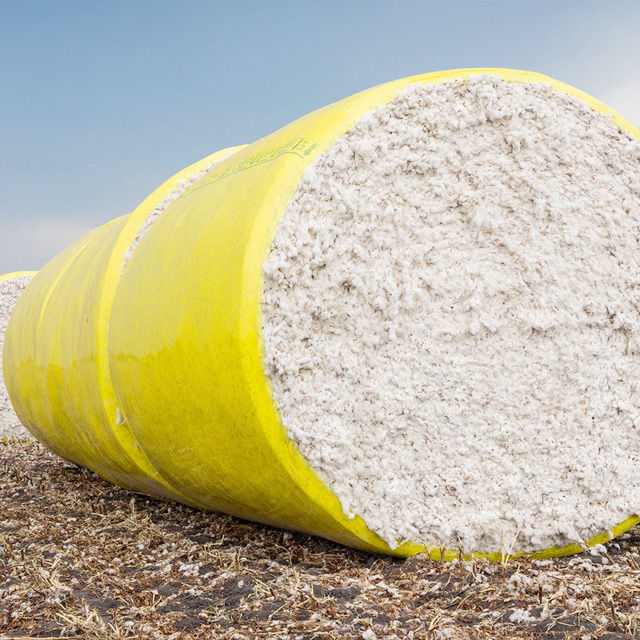
Cotton wrap film is a special plastic wrap made for farms. It is used to cover cotton bales or modules. Its main job is to keep cotton safe from rain, sun, and dirt while it sits outside or is moved. Unlike regular stretch film, this type is stronger and has special ingredients that help it resist weather and tears.
You might ask: why is cotton wrap film so important for protecting your crop's value? The answer is in its special features and the clear benefits they bring to keeping cotton in good shape. As you read on, you'll see how this film keeps your harvest safe from the field to the gin.
Key Takeaways
Cotton wrap film is a strong plastic cover for cotton bales.
It protects cotton from rain, sun, and dirt.
The film has special additives for UV resistance.
It is thicker and stronger than regular stretch film.
This film keeps cotton clean and dry for months.
Using it reduces cotton loss and keeps quality high.
Choose film based on your weather and storage needs.
Apply the film tightly and store modules on dry ground.
What Is Cotton Wrap Film?
Defining the Product and Its Purpose
A specialized agricultural film
Cotton wrap film is a special type of stretch film made from polyethylene. It is made for farming use. You wrap cotton modules or bales with it. This film is different from regular plastic wrap in key ways. It is thicker and has special additives. These additives keep cotton safe from weather damage. Rain, sun, and dirt cannot get through the film. Your cotton stays clean and dry while stored outside.
Big companies make this film in large amounts. ECOPACK has an annual production capacity of 45,000 tons. Each day they make over 120 metric tons. This large production keeps quality high. You get the same good product every time you order. The company works hard to improve the film technology.
Primary role in cotton module protection
The main job of cotton wrap film is to protect. You wrap each cotton module tightly after harvest. The film keeps the module whole for a long time. Some modules stay in the field for months. The film shields them from bad weather. It stops moisture from getting into the cotton. It blocks sun rays that cause color changes. It keeps dirt and bits away from the fibers. Your cotton stays good from field to gin.
The film also keeps the module's shape. A tight wrap holds its shape during transport. You can move it with machines without losing cotton. The film stops fibers from spreading. This protection helps your profits. Clean, undamaged cotton sells for more money.
How It Differs from Standard Stretch Film
Enhanced thickness and puncture resistance
Regular stretch film cannot handle cotton storage needs. Cotton wrap film has different specs. It is made of polyethylene (PE). Thickness is 0.075 to 0.08 mm. Tensile strength is at least 30 MPa in both directions. Elongation at break is between 550% and 650%. Tear strength is at least 100 kN/m in one direction and 80 kN/m in the other. Puncture resistance is 4 to 5 Newtons.
Parameter | Specification |
Material | Polyethylene (PE) |
Thickness | 0.075 – 0.08 mm |
Tensile Strength (MD/TD) | ≥30 MPa |
Elongation at Break | ≥550% – 650% |
Tear Strength (TD / MD) | ≥100 kN/m / ≥80 kN/m |
Puncture Resistance | ≥4–5 N |
UV Resistance | 12–24 months outdoor |
Temperature Range | -20°C to 60°C |
These specs matter for your work. Equipment handling puts stress on the film. Sharp edges on machines can puncture weaker films. Debris in the field is another danger. The better puncture resistance stops tears. Your cotton stays safe even with rough handling.
UV stabilizers and weather-resistant additives
Regular stretch film breaks down fast in sunlight. Cotton wrap film has UV stabilizers. These additives make the film last longer outdoors. The film resists sun damage for 12 to 24 months. You can leave wrapped modules in the field without worry. The film stays strong even after months in the sun.
Weather-resistant additives give extra benefits. The film works well in temperatures from -20°C to 60°C. Cold weather does not make it brittle. Hot weather does not make it too soft. Rain and snow slide off the surface. The film's traits stay the same across seasons.
Polyethylene has several key benefits for this use. High-density polyethylene (HDPE) gives strength and durability. It resists tearing well. UV-stabilized types last longer outdoors. Low-density polyethylene (LDPE) and linear low-density polyethylene (LLDPE) stretch very well. Makers combine these materials to create a balanced film. You get strength where you need it and flexibility where it matters.
The film's stretch lets it fit tightly around the module. It sticks without glue. This self-stick makes a secure seal. Water cannot get in through gaps. The tight wrap also stops shifting during transport. Your cotton arrives at the gin in the same shape as when it left the field.
Knowing these differences helps you make smart choices. Spending on quality cotton wrap film pays off with less loss. Your crop keeps its value from harvest to processing. The right film protects your hard work and your profits.
Key Features of Cotton Wrap Film
Understanding the key features of cotton wrap film helps you see why it works better than regular plastic wrap. Each feature has a specific job. Together, they form a protective system that keeps your cotton safe from harvest to processing. Let's look at these features in detail.
Exceptional Strength and Tear Resistance
Withstanding handling and transport stress
Cotton modules go through a lot of rough handling. Machines lift them, trucks carry them, and equipment moves them across the field. Your cotton wrap film must handle all this stress without failing. The film's high strength comes from its multi-layer build. Makers use a process called co-extrusion to bond several layers together. Each layer adds a different quality. Some layers give tensile strength. Others add flexibility. The result is a film that fights tearing even under heavy strain.
The numbers show this clearly. A multi-layer co-extrusion structure gives tensile strength over 25 MPa. This strength stops tearing or breaking during transport. The film holds its shape even when equipment grips it tightly. You can move modules without worrying about the wrap splitting open.
Preventing punctures from equipment or debris
Fields have sharp objects. Stalks, rocks, and metal pieces can poke holes in weak films. Your cotton wrap film must stand up to these threats. The multi-layer design gives better puncture resistance. A 5-layer HDPE film delivers tensile strength between 28 and 35 MPa. This strength stops sharp objects from going through the wrap. The flowable multilayer structure keeps its shape under pressure. It stops cotton from bursting out during handling.
Think about what happens without this protection. A small tear lets moisture in. Dirt follows. Your cotton quality drops fast. The high strength of quality cotton wrap film stops this chain of events. You keep your crop clean and dry.
Superior Moisture Protection and UV Resistance
Acting as a barrier against rain and ground moisture
Water damages cotton more than anything else. Wet cotton gets mold, stains, and rot. Your wrap must block all moisture sources. Rain falls from above. Ground moisture rises from below. The film makes a complete barrier against both. Its dense structure stops water molecules from passing through. Even long exposure to wet conditions does not break the seal.
This moisture protection gives you more storage options. You can leave modules in the field without building costly shelters. The film keeps cotton dry through rainstorms and morning dew. Your fiber quality stays the same no matter the weather.
Shielding cotton from sun damage and discoloration
Sunlight is another danger. UV rays break down cotton fibers over time. They also cause color changes that lower market value. Quality cotton wrap film has UV stabilizers. These additives soak up harmful radiation before it reaches your cotton. The film keeps its protective properties for months outside.
Source | Stated UV Resistance Duration |
Product Specifications | 6–18 months (outdoor protection) |
FAQ (Q2: Can it withstand outdoor storage?) | Yes, UV-stabilized for 6–18 months |
This UV resistance means you can store modules through a whole season. The film keeps working day after day. Your cotton keeps its natural color and fiber strength. This protection directly affects your bottom line.
Elasticity and Self-Adhesion
Cotton modules come in different sizes and shapes. Your wrap must fit each one perfectly. The film's elasticity lets it stretch and shape itself. It wraps around corners and follows curves. This tight fit leaves no gaps where moisture or dirt could enter. The film's elongation at break shows its stretching ability.
Film Type | Elongation at Break (Transverse Direction) |
ECOPACK Yellow-Green Film | 531% |
TAMA Brand | 506% |
Higher elongation means the film can stretch further without breaking. You get a snug wrap that stays in place. The film's strong adhesion keeps it locked onto the module surface.
Ensuring a secure, stable wrap without adhesives
Some wraps use chemical glues to stick together. Cotton wrap film does not need them. The material's natural cling creates a strong bond. This self-adhesion keeps the wrap tight during transport and storage. You get a stable package without extra chemicals.
The five-layer cotton wrap film uses the natural cling of the material, not chemical glues, giving a zero-residue design that leaves cotton fibers clean and pure. This stops adhesive residue problems like mill rejection and machine clogging, ensuring fiber quality from field to mill.
This zero-residue design matters for your cotton's value. Mills reject cotton with adhesive contamination. Machines clog when sticky residues build up. The non-tacky inner surface stops cotton fibers from sticking to the film. Your cotton stays pure and ready for processing. This durability and protection make cotton wrap film a smart investment for any grower.
Key Benefits for Cotton Storage and Transport
Minimizing Cotton Loss and Quality Degradation
Reducing contamination from dirt and foreign matter
Cotton sits in the field for weeks after harvest. Wind blows dust and debris. Rain splashes mud onto exposed surfaces. Without a proper barrier, these contaminants work their way into the fiber. Cotton wrap film creates a sealed shield around each module. The tight wrap leaves no openings for dirt to enter. Stalks, leaves, and soil stay outside where they belong.
The film's multi-layer build adds another defense. Each layer blocks different types of contamination. The outer layers resist punctures from sharp debris. The inner layers stop fine dust from moving through. This full barrier keeps your cotton clean from the moment you wrap it until the gin processes it.
Preserving fiber quality and market value
Clean cotton sells for higher prices. Contaminated cotton loses value at every step of processing. Mills reject loads with foreign matter. Ginners spend extra time cleaning dirty modules. Your profits shrink with every impurity.
UV-resistant cotton wrap film protects bales from sun damage and fiber weakening. It stops color change and keeps fiber quality during sun exposure.
UV resistance helps prevent damage such as fading, color change, or breaking down of cotton fibers, thus keeping fiber quality.
This protection matters for your profits. Cotton with natural color and strong fibers sells at premium prices. The film's high strength keeps the module whole during handling. No torn sections expose your crop to the weather. You deliver a clean, steady product to buyers.
Enhancing Storage Efficiency and Flexibility
Allowing for safe outdoor storage in various climates
You cannot always move cotton to a shed right after harvest. Field conditions, equipment schedules, and logistics cause delays. Good cotton wrap film gives you flexibility. You can leave modules in the field through rain, wind, and sun. The film's moisture protection keeps water out. UV stabilizers stop sun damage. Temperature resistance from -20°C to 60°C means the film works in any season.
This flexibility changes how you plan your harvest. You can pick cotton when it is ready instead of waiting for storage space. You can place modules in convenient spots. The film's weather resistance gives you control over your operation.
Extending storage duration without quality compromise
Some cotton waits months before processing. Old storage methods risk quality loss over time. Cotton wrap film changes this. The sealed environment keeps fiber condition for long periods. Moisture cannot get through the barrier. UV rays cannot break down the fibers. The film keeps its strength even when exposed to sunlight. It offers high stretch and puncture resistance without splits.
You gain the freedom to sell when market prices are good. You can wait for better prices without worrying about your stored crop. The film's durability means your cotton stays in the same condition as the day you wrapped it.
Ensuring Compatibility with Modern Ginning Operations
Working seamlessly with automated module builders and wrappers
Modern harvesters use automated systems to build and wrap modules. Your film must work with these machines without problems. The wrap must meet strict size, weight, and tension specs for standard round module builders. Wrong core sizes can cause sensor errors in the harvester's loading bay.
Five-layer co-extruded films give the best balance of puncture resistance, UV protection, and controlled stickiness. The film must have enough strength to last months of field storage and high-speed transport. When you choose the right film, your equipment runs smoothly. No jams, no misfeeds, no downtime.
Facilitating efficient handling and logistics
The film must release cleanly at the gin feeder without leaving tiny plastic bits behind. A zero-stick inner layer stops plastic contamination during unwrapping. Automated module feeders need steady film tension to slice and peel the plastic away cleanly. If the module has changed shape due to poor side strength, the automated cutters may cut into the lint or miss the plastic entirely.
ECOPACK designs its solutions to improve supply chain efficiency, serving industries like logistics and warehousing. The right cotton wrap film keeps your operation moving. Modules transfer smoothly from field to truck to gin. Your equipment works as designed. Your cotton arrives ready for processing.
How to Select the Right Cotton Wrap Film
Picking the right cotton wrap film means finding a balance between cost, safety, and how well it works with your machines. This part covers the main things to think about.
Understanding Film Gauge and Thickness Options
Balancing cost with protection levels
How thick the film is changes both the price and how much it protects. A thicker film keeps cotton safer but costs more money. A thinner film is cheaper and works fine for lighter bales. Bigger and heavier bales need a thicker film. You should pick based on the size and weight of your bales. This balance helps you avoid paying too much or not protecting enough.
Matching film strength to specific operational needs
What you need from the film depends on how you work. If you live in a windy area, you need a strong film. The film must be able to handle tears from dirt and plants. Think about UV protection if you are in a hot place. Use wraps that keep out water if you get a lot of rain. Choose the right strength to stop damage while moving and storing. Pick a film that fits your weather and how you handle your bales.
The Role of Brightly Colored Cotton Wrap Film in Visibility
The color of the wrap you pick affects how things turn out in storage. The color changes how much heat is reflected and how easy it is to see the bales. The color also matters for both storing and moving your cotton.
White film for heat reflection and visibility
White film bounces sunlight away, which keeps bales cooler. The bright color makes it simple to spot your modules. Using bright colors for cotton wrap helps with heat control and makes bales easy to see. White film lets you see bales from far away. This makes it easier to keep track of your inventory and plan your work.
Black film for enhanced UV protection and weed suppression
Black film gives better protection from the sun for long-term storage. The color of the wrap also changes how weeds grow. Black film blocks light, which stops weeds from growing around your modules. When you pick the color of your cotton wrap, think about your climate and how long you will store the cotton. The good things about bright colors also apply to black film when it comes to sun protection. Black film is easy to see in snowy or muddy fields. Choose the color of your cotton wrap based on what you need.
Evaluating Supplier Quality and Consistency
The quality of your supplier matters for getting the same good results every time. Check that the film is the same thickness across the whole roll. If it is uneven, you get weak spots. Good adhesion means the film sticks to itself without glue. Look for features like even thickness and strong sticking. Pick suppliers that meet the ASABE S615.2 standard. Testing from SGS or TÜV can confirm the film's strength and weather resistance.
Considering roll dimensions for compatibility with equipment
Dimension | Standard Value |
Film width | 106 inches / 2.7 meters |
Film thickness | 75 microns |
Single wrap length | 69 feet / 21 meters |
Wraps per roll | 24 |
Roll diameter | 10 inches / 25 centimeters |
Plastic core width | 109 inches / 2.78 meters |
These sizes work with John Deere CP690, CP770, and 7760 pickers. Using the right sizes stops machine errors. Wrong core sizes cause sensor problems. Make sure your supplier gives you rolls that fit your equipment. This saves you time and cuts down on downtime.
Best Practices for Applying Cotton Wrap Film
Getting the most from your cotton wrap film requires proper application. The film is made from stretchable polyethylene. It clings tightly to each bale for a uniform shape. Following these best practices helps you avoid common problems. You get a secure wrap that protects your crop.
Ensuring Proper Tension and Overlap
Achieving a tight seal to prevent water ingress
The wrap must create a complete seal. Water cannot enter through gaps. You need enough tension to pull the film tight around the module. The overlap between wraps matters too. Each layer should cover the previous one by a good margin. This overlapping creates a thick barrier. Rain and ground moisture cannot find a path through. The film's self-cling helps here. It bonds to itself without glue. Each layer sticks to the next one. This strong adhesion keeps the seal intact for months.
Avoiding over-stretching which can compromise integrity
You can stretch the film too much. Over-stretching thins the material. Thin spots become weak points. The film loses its ability to resist punctures. You must find the right balance. The film's elongation at break is between 550% and 650%. This gives you a wide working range. Do not push the film to its limit. Leave some stretch capacity for settling. The module shifts during transport. The film needs extra stretch to handle this movement. Proper tension keeps the wrap tight without damaging it.
Preparing the Module Surface
The module must be in good shape before wrapping. A well-formed module has a consistent shape. The film wraps evenly around it. Excess internal water causes problems. Mold grows in wet cotton. The fibers lose their quality. You must check the moisture level before wrapping.
Context | Moisture Level | Notes |
Ideal range for compressed bales | 6–8% | Balances fiber quality and bale stability |
Sweet spot | 7% | Recommended target for most operations |
Export or long-distance shipping | 6–7% | Lower end preferred to reduce condensation risk |
Action threshold (above 8%) | >8% | Prompt closer inspection, possible restacking or conditioning |
Stop and investigate range | 8–9% | Requires re-testing or relocation to drier area |
Do not ship threshold | ≥9% | Mandatory conditioning or segregation, verified by ASTM D2495 |
Aim for the 7% sweet spot. This level balances fiber quality and bale stability. The film seals in the water content you have at wrapping time. If you wrap wet cotton, the water stays trapped. You cannot fix this problem later. Check water content before you apply the film.
Removing any sharp protrusions that could damage the film
The module surface must be clean. Sharp objects poke holes in the film. Stalks, sticks, and rocks cause punctures. A small tear grows larger over time. You must inspect the module before wrapping. Remove any visible debris. Smooth rough areas. The film's puncture resistance is high, but it cannot stop every threat. Prevention works better than repair. A clean surface gives the film the best chance to do its job.
Storing and Handling Wrapped Modules
Proper site selection for storage
Where you store modules matters. Choose a level area. Water should drain away from the modules. Avoid low spots where water collects. The ground should be firm. Soft ground lets modules sink. This puts stress on the wrap. Keep modules away from trees. Falling branches can tear the film. Avoid areas with tall weeds. Weeds hold water against the wrap. The site should be open to sunlight. Sunlight helps keep the area dry. These simple choices extend the life of your wrap.
Safe handling procedures to avoid tears
Handling equipment must be in good condition. Rough edges on machinery tear the film. You must check forks, grabs, and straps before use. Repair any sharp spots. Operators should move modules carefully. Quick movements put stress on the wrap. Slow, steady movements keep the film intact. The strong adhesion of the wrap helps here. It keeps the film tight even during handling. But you still need care. The film's durability is high. Proper handling ensures it stays that way. Your cotton stays protected from field to gin.
ECOPACK provides technical support and material selection guidance to ensure optimal application. Their team can help you with machine settings and film choices. This support makes the easy application of quality cotton wrap film combined with proper technique give you the best results. You get better protection with less trial and error.
Cotton wrap film does more than just cover your cotton. It is an important tool for managing your crop. The film's strength, UV resistance, and elasticity directly cut down on losses and keep fiber quality high. You work more efficiently from the field to the gin.
Spending money on good film from trusted makers like ECOPACK helps your profits. The cost of premium film is less than the losses from damaged cotton. You stop dirt, water damage, and color changes.
Take time to look at how you wrap your cotton now. Think about if your film fits your storage needs and weather. Getting better film could make your whole work run better and earn more.
FAQ
How long can wrapped modules stay in the field?
Good cotton wrap film keeps modules safe for 6 to 18 months outside. It stops water from getting into the bale. UV stabilizers guard the film against sun harm. Your cotton stays in good shape during long storage.
Can I recycle cotton wrap film after use?
Yes, many cotton wrap films can be recycled. The polyethylene material can be handled at special facilities. Ask your local recycling center what they need. Some makers have programs to take back used film.
What should I do if the film tears during application?
Stop the wrapper right away. The film's strong cling joins new layers to old ones. Check the module for sharp items. Clear away any debris. Put a new layer over the damaged spot. This brings back the protective seal.
Does the film work with all round balers?
Most modern cotton wrap film comes in standard sizes that fit common pickers. The film's cling properties create a tight seal. Always check roll sizes against your equipment specs. This stops sensor errors.
How should I store unused film rolls?
Keep rolls in a cool, dry spot away from direct sun. Store them on their ends to avoid shape changes. Best temperature is between 50°F and 86°F. This keeps the film stretchy and working well.
How does the color of cotton wrap affect storage?
The color of cotton wrap changes heat reflection and visibility. White film bounces sunlight to keep bales cooler. Black film gives stronger UV protection for long-term storage. Bright colors also make tracking inventory simpler.