
Views: 0 Author: Site Editor Publish Time: 2026-02-09 Origin: Site


Reinforced shrink wrap is a powerful and durable packaging material used to secure and protect a wide variety of products during transportation and storage. Known for its exceptional strength, tear resistance, and versatility, reinforced shrink wrap is ideal for industries ranging from logistics and agriculture to construction and automotive. Its ability to withstand harsh conditions and offer long-term protection is one of its key advantages.
However, just how long will reinforced shrink wrap last? Understanding the lifespan of reinforced shrink wrap is crucial for businesses that rely on it for safeguarding goods. In this article, we’ll explore the factors that affect the lifespan of reinforced shrink wrap, the expected duration of its effectiveness, and how you can extend its life for optimal performance.
One of the most significant factors affecting the lifespan of reinforced shrink wrap is environmental exposure. Different environmental conditions can accelerate the deterioration or degradation of the material, reducing its ability to protect the wrapped items. Key environmental factors include:
UV Rays: Ultraviolet (UV) rays from the sun can break down the polymers in the shrink wrap, causing it to weaken, become brittle, and lose its protective properties. If exposed to constant UV radiation, the shrink wrap may degrade in a matter of months.
Temperature Fluctuations: Extreme heat and cold can also affect the shrink wrap. High temperatures can cause the material to soften and become less resistant to tearing, while freezing temperatures can make it more brittle and prone to cracking.
Moisture: Humidity and moisture can have a detrimental effect on shrink wrap, especially if it is not made with moisture-resistant additives. Water can weaken the film over time, leading to the potential for shrink wrap failure in environments where moisture is prevalent.
The load and stress that reinforced shrink wrap is subjected to can significantly impact its lifespan. Products that are heavy, oddly shaped, or subject to constant movement may put additional strain on the shrink wrap, potentially causing it to tear or wear out more quickly.
Heavy Items: Reinforced shrink wrap is designed to support heavy loads, but prolonged exposure to pressure or weight may cause the material to stretch or tear, especially if the wrap is not applied properly.
Sharp Edges: Items with sharp edges or corners can puncture the shrink wrap, leading to premature wear or failure of the packaging.
The overall quality of the reinforced shrink wrap plays a crucial role in determining its lifespan. Not all reinforced shrink wraps are created equal. The base material, whether polyethylene (PE) or polypropylene (PP), and the quality of the scrim reinforcement (woven polyester fibers) can influence the durability of the product.
Polyethylene (PE) is commonly used for general applications due to its flexibility, ease of shrinkage, and cost-effectiveness. However, while it is highly flexible, it may not offer the same strength and UV resistance as other materials.
Polypropylene (PP), on the other hand, is more rigid and offers greater strength and puncture resistance, making it suitable for more demanding applications.
The scrim layer, made of woven polyester, provides added tensile strength, ensuring that the shrink wrap can withstand more physical stress and handling without tearing.
The way the shrink wrap is sealed and applied can also affect its lifespan. Proper wrapping and sealing techniques ensure that the material adheres tightly to the product, minimizing the risk of air pockets and loose film. Loose or improperly sealed shrink wrap is more likely to develop wrinkles or tears, reducing its overall durability.
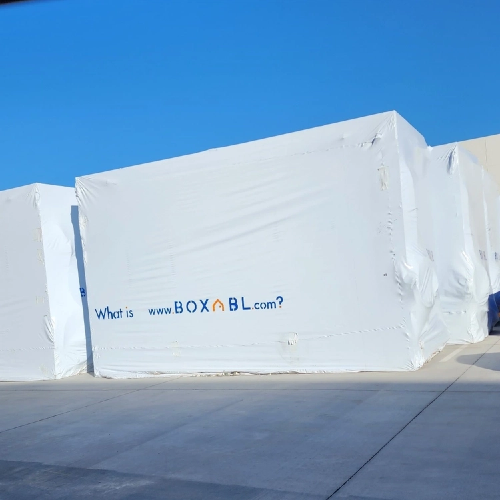
Reinforced shrink wrap is frequently used for outdoor storage and transportation, and its ability to withstand outdoor conditions is a key factor in determining its lifespan. When exposed to the elements, reinforced shrink wrap can last for varying periods depending on the environmental conditions.
UV Resistance: UV inhibitors can be added to reinforced shrink wrap to help protect it from sun damage. In outdoor environments with constant sunlight, UV exposure can degrade the material in 6 months to 1 year, depending on the intensity of the sun.
Weather Resistance: Reinforced shrink wrap is designed to offer weather resistance, but it will degrade faster if exposed to extreme weather conditions, such as heavy rain or snow. Over time, moisture can penetrate the wrap, leading to potential weakening and loss of protection.
Environment | Lifespan of Reinforced Shrink Wrap |
Outdoor Exposure (UV) | 6 months to 1 year (with UV inhibitors) |
Extreme Weather (Rain/Snow) | 1 year to 2 years, depending on exposure |
Temperature Fluctuations | 6 months to 1 year in extreme conditions |
In indoor storage environments, reinforced shrink wrap can last much longer than it would outdoors, as it is not exposed to UV radiation, rain, or extreme temperatures. Proper indoor storage conditions—such as low humidity and a stable temperature—can extend the lifespan of reinforced shrink wrap significantly.
Climate Control: In a climate-controlled environment with stable temperatures and humidity, reinforced shrink wrap can last for several years without showing signs of degradation.
Protection from Mechanical Stress: Indoor storage typically involves less physical handling, so the shrink wrap is less likely to be punctured or stretched, further extending its lifespan.
Moisture and humidity are particularly important considerations when storing items that are susceptible to rust or corrosion. Reinforced shrink wrap is highly effective at providing a protective barrier against moisture, but its ability to maintain its protective qualities depends on the environment.
High Humidity: In environments with high humidity, the material may degrade more quickly, especially if moisture is trapped within the wrap. If not sealed properly, water vapor can cause the shrink wrap to weaken and lose its protective properties.
Moisture-Resistant Additives: Some reinforced shrink wraps come with moisture-resistant additives that improve their ability to protect against water damage, making them ideal for outdoor use or wet environments.
For short-term applications, such as temporary storage or shipping, reinforced shrink wrap typically lasts for a few months to a year. The material is designed to offer short-term protection against dust, dirt, and physical damage during transit or storage. However, it is not intended to withstand prolonged exposure to environmental elements.
Typical Duration: In most cases, reinforced shrink wrap used for short-term applications will last from 3 months to 1 year, depending on environmental conditions.
When used for long-term storage or exposure to harsh outdoor conditions, reinforced shrink wrap can last anywhere from 1 to 3 years. The material’s strength and UV resistance will play a key role in its durability, but proper sealing and environmental protection can extend its lifespan.
Typical Duration: In long-term outdoor storage or extreme conditions, the lifespan of reinforced shrink wrap can range from 1 to 3 years. This is when UV inhibitors and moisture resistance are critical factors.
Different industries have different expectations for the lifespan of reinforced shrink wrap. Some industries, such as automotive or construction, require packaging that can withstand harsh conditions, while others, such as electronics or furniture, require packaging that can last longer indoors without exposure to extreme conditions.
Logistics: In logistics, where reinforced shrink wrap is used for transporting goods, the material should last through the duration of shipping and storage, typically 6 months to 1 year.
Agriculture: For agricultural products, reinforced shrink wrap provides long-term protection against environmental elements and typically lasts from 1 to 2 years.
Construction: In construction, where materials are exposed to the elements, reinforced shrink wrap typically lasts 1 to 2 years, offering protection from dirt, moisture, and weather.
To extend the lifespan of reinforced shrink wrap, it is essential to store it correctly. Here are some storage tips:
Cool, Dry Place: Store shrink wrap in a cool, dry area away from direct sunlight to prevent degradation from UV rays.
Avoid High Humidity: High humidity can cause shrink wrap to weaken, so it should be stored in an environment with controlled moisture levels.
Proper Wrapping: Ensure that the shrink wrap is applied tightly and correctly, with no air pockets or loose film that could lead to premature wear.
Proper application is crucial for extending the lifespan of reinforced shrink wrap. Ensure the following:
Even Heat Application: When using a heat gun or shrink tunnel, ensure that the heat is evenly distributed across the shrink wrap to prevent under-shrinking or overheating.
Tight Fit: Apply the shrink wrap tightly around the product, ensuring a snug, secure fit that prevents air pockets or loose areas.
Regularly inspect the shrink wrap for signs of wear or damage. If you notice any tears, punctures, or areas of looseness, replace the shrink wrap immediately to maintain product protection.
The lifespan of reinforced shrink wrap depends on various factors such as environmental exposure, material quality, load and stress, and the method of application. When used under ideal conditions, reinforced shrink wrap can offer reliable protection for products ranging from a few months to several years. By ensuring proper storage, applying the shrink wrap correctly, and performing regular maintenance, you can significantly extend its lifespan and keep your products secure and well-protected throughout their journey.
At Suzhou Ecopack Co., Ltd., we specialize in providing high-quality reinforced shrink wrap solutions tailored to your specific needs. Our team is committed to offering durable, long-lasting packaging options designed to withstand challenging conditions. Whether you're looking for protection for heavy-duty items, fragile goods, or long-term storage solutions, we can help you select the best shrink wrap for your business. Contact us today to learn more about our products and how we can assist you with your packaging requirements.
Reinforced shrink wrap can last anywhere from 6 months to 1 year outdoors, depending on UV exposure and weather conditions. UV inhibitors can extend this lifespan.
Yes, when used for long-term storage, reinforced shrink wrap can last between 1 to 3 years, depending on the environmental conditions and quality of the material.
Yes, like all materials, reinforced shrink wrap will degrade over time, especially when exposed to UV rays, moisture, and extreme temperatures.
Signs of wear, such as brittleness, cracking, or the loss of its tight fit, indicate that the shrink wrap needs to be replaced.
With proper application, storage, and environmental conditions, reinforced shrink wrap can last for several years, especially when it is used for indoor or controlled environments.


